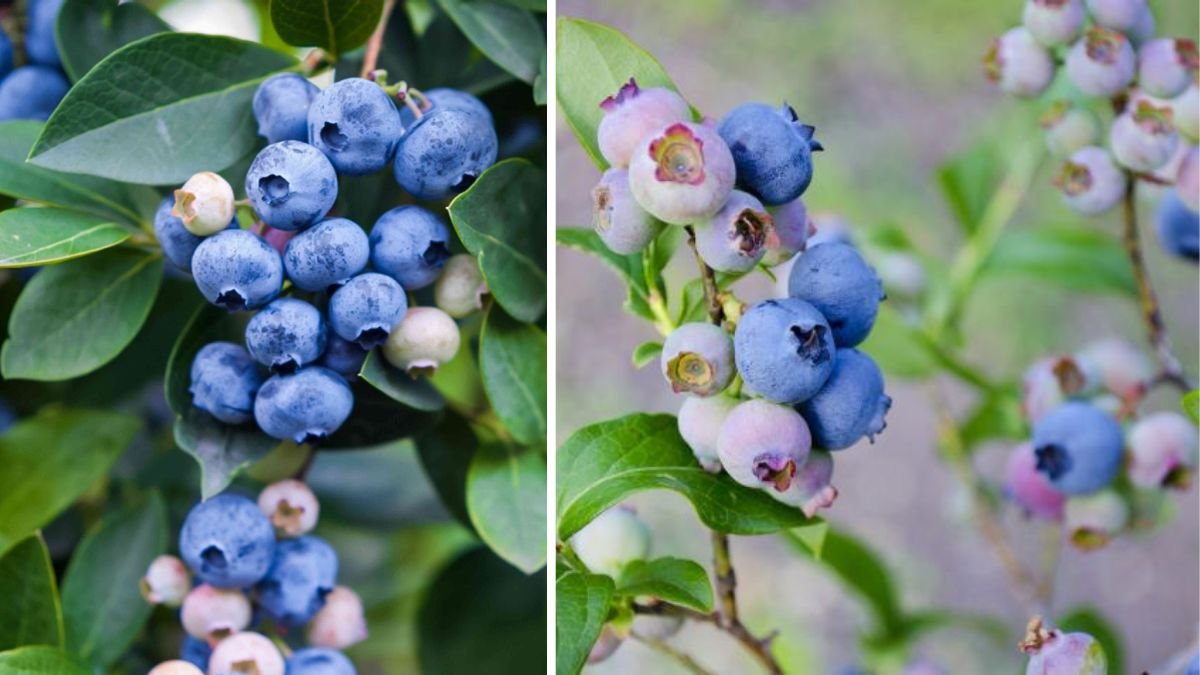
Berry bushes are a garden favorite, offering delicious fruits, vibrant foliage, and the joy of homegrown produce. While many gardeners buy young plants from nurseries, starting berry bushes from cuttings is a cost-effective, rewarding, and surprisingly simple method. By propagating from cuttings, you can clone your favorite berry varieties, expand your garden, and gain the satisfaction of growing plants from scratch. In this guide, we’ll walk you through the step-by-step process, tips for success, and everything you need to know to start berry bushes from cuttings.
Why Start Berry Bushes From Cuttings?
Starting berry bushes from cuttings offers several advantages over planting seeds:
- Cloning Favorites: Cuttings create genetically identical plants, so you can replicate the berries you love most. Seeds, by contrast, may produce unpredictable results.
- Faster Fruiting: Cuttings generally mature faster than seed-grown plants, allowing you to enjoy berries sooner.
- Cost-Effective: Instead of buying multiple plants, you can propagate from one healthy bush.
- Preserve Rare Varieties: Cuttings help maintain heirloom or hard-to-find berry cultivars.
- Sustainable Gardening: Propagation reduces waste and supports self-sufficiency in your garden.
Common berry bushes suitable for propagation include raspberries, blackberries, currants, gooseberries, and elderberries. Each type has slightly different propagation requirements, but the core techniques are similar.
Understanding Types of Cuttings
Berry bushes can be propagated using several cutting types:
1. Hardwood Cuttings
- Taken from mature, dormant woody stems during late fall or winter.
- Best for berries like blackberries, raspberries, and currants.
- Tend to be easy to root and hardy once established.
2. Softwood Cuttings
- Taken in late spring or early summer from fresh, flexible growth.
- Often used for delicate berries such as blueberries.
- Require more careful handling and higher humidity to root successfully.
3. Semi-Hardwood Cuttings
- Taken from partially mature stems, usually mid-summer.
- Combine traits of softwood and hardwood cuttings, balancing flexibility and durability.
For beginners, hardwood cuttings are often easiest because they are robust, less prone to drying out, and can be rooted indoors or outdoors with minimal fuss.
Materials You’ll Need
Before you start, gather the following supplies:
- Healthy parent plant: Choose a bush free from disease or pests.
- Sharp pruning shears: Clean cuts improve rooting success.
- Rooting hormone (optional): Encourages faster root development.
- Potting medium: A mix of peat, perlite, and sand works well.
- Containers or pots: For rooting cuttings indoors or in a nursery bed.
- Plastic bags or mini greenhouse (for softwood cuttings): Maintains humidity.
- Watering can or spray bottle: Keeps cuttings moist without waterlogging.
Having all materials ready ensures smooth propagation and higher success rates.
Step-by-Step Guide to Taking Cuttings
Step 1: Select the Right Stem
Choose a healthy, disease-free stem from the parent plant. For hardwood cuttings, select one-year-old stems that are firm but not brittle. For softwood cuttings, pick new growth that’s flexible and bright green.
Step 2: Cut the Stem
- Use sharp, sterilized pruning shears to make a clean cut.
- Cut segments 6–10 inches long for hardwood cuttings, or 4–6 inches for softwood.
- Remove any leaves from the lower half of the cutting to reduce water loss.
Step 3: Prepare the Cutting
- For hardwood cuttings, dip the cut end into rooting hormone to encourage root growth.
- If you don’t have rooting hormone, many cuttings will still root successfully, especially hardwood types.
- Make a small slant cut at the base to increase surface area for root formation.
Step 4: Plant the Cutting
- Fill your pot or nursery bed with well-draining potting medium.
- Insert the cutting about 2–3 inches deep, ensuring the basal end is firmly in contact with the soil.
- Space cuttings slightly apart to allow airflow and reduce the risk of mold.
Step 5: Water and Maintain Humidity
- Water the cuttings thoroughly but avoid waterlogging.
- For softwood cuttings, cover with a plastic bag or place in a mini greenhouse to maintain humidity.
- Hardwood cuttings are hardier and usually require only occasional watering until roots form.
Step 6: Provide Proper Light and Temperature
- Place cuttings in bright, indirect light.
- Avoid direct sunlight, which can dry out and stress the cuttings.
- Maintain a consistent temperature: 65–75°F (18–24°C) is ideal for most berry cuttings.
Caring for Cuttings While They Root
Rooting can take several weeks to a few months, depending on the berry type and conditions. During this time:
- Check moisture: Keep the medium consistently damp, but not soggy.
- Monitor for disease: Remove any cuttings showing signs of rot or mold.
- Ensure airflow: Prevent fungal problems by providing gentle ventilation.
- Avoid fertilizing: Roots are delicate; wait until new growth appears before fertilizing.
Patience is key. Disturbing the cuttings or moving them too often can delay or prevent root formation.
Transplanting Rooted Cuttings
Once cuttings develop strong roots and begin showing new shoots, they’re ready to be transplanted:
- Choose the right location: Select a site with well-draining soil and adequate sunlight (usually 6–8 hours per day).
- Harden off cuttings: Gradually acclimate them to outdoor conditions over 1–2 weeks.
- Plant carefully: Dig a hole slightly larger than the root ball and set the cutting in. Fill in soil around the roots and water thoroughly.
- Mulch: Add organic mulch around the base to retain moisture and suppress weeds.
With proper care, these young plants will thrive and eventually produce fruit, often within their first year if taken from hardwood cuttings.
Tips for Success
- Choose healthy parent plants: Avoid stems that are diseased or stressed.
- Time it right: Hardwood cuttings are best in late fall or winter; softwood in late spring.
- Use rooting hormone: While optional, it significantly improves rooting success.
- Maintain humidity: Softwood cuttings in particular benefit from a moist environment.
- Be patient: Rooting may take weeks, but careful attention pays off.
Common Mistakes to Avoid
- Overwatering: Excess moisture can cause rot.
- Direct sunlight: Young cuttings can scorch easily.
- Disturbing cuttings too soon: Roots are fragile; wait for visible growth.
- Using old or weak stems: Only healthy, vigorous stems will root successfully.
Avoiding these pitfalls will greatly increase your success rate.
Benefits of Propagating Your Own Berry Bushes
- Cost savings: One plant can yield multiple new bushes.
- Personalized garden: Grow the exact berry varieties you love.
- Educational: Great for learning about plant growth and propagation.
- Eco-friendly: Reduce your reliance on commercial nurseries and support sustainable gardening.
Conclusion
Starting berry bushes from cuttings is easier than many gardeners realize. With the right technique, materials, and a little patience, you can clone your favorite berry varieties, save money, and enjoy fresh, homegrown fruit for years to come. Whether you choose raspberries, blackberries, or currants, this propagation method opens the door to a thriving, productive garden.
By following these steps, maintaining proper care, and avoiding common mistakes, you’ll be well on your way to a flourishing berry patch—one cutting at a time. The joy of harvesting your own berries, knowing they grew from your careful propagation efforts, is an experience that makes gardening truly rewarding.