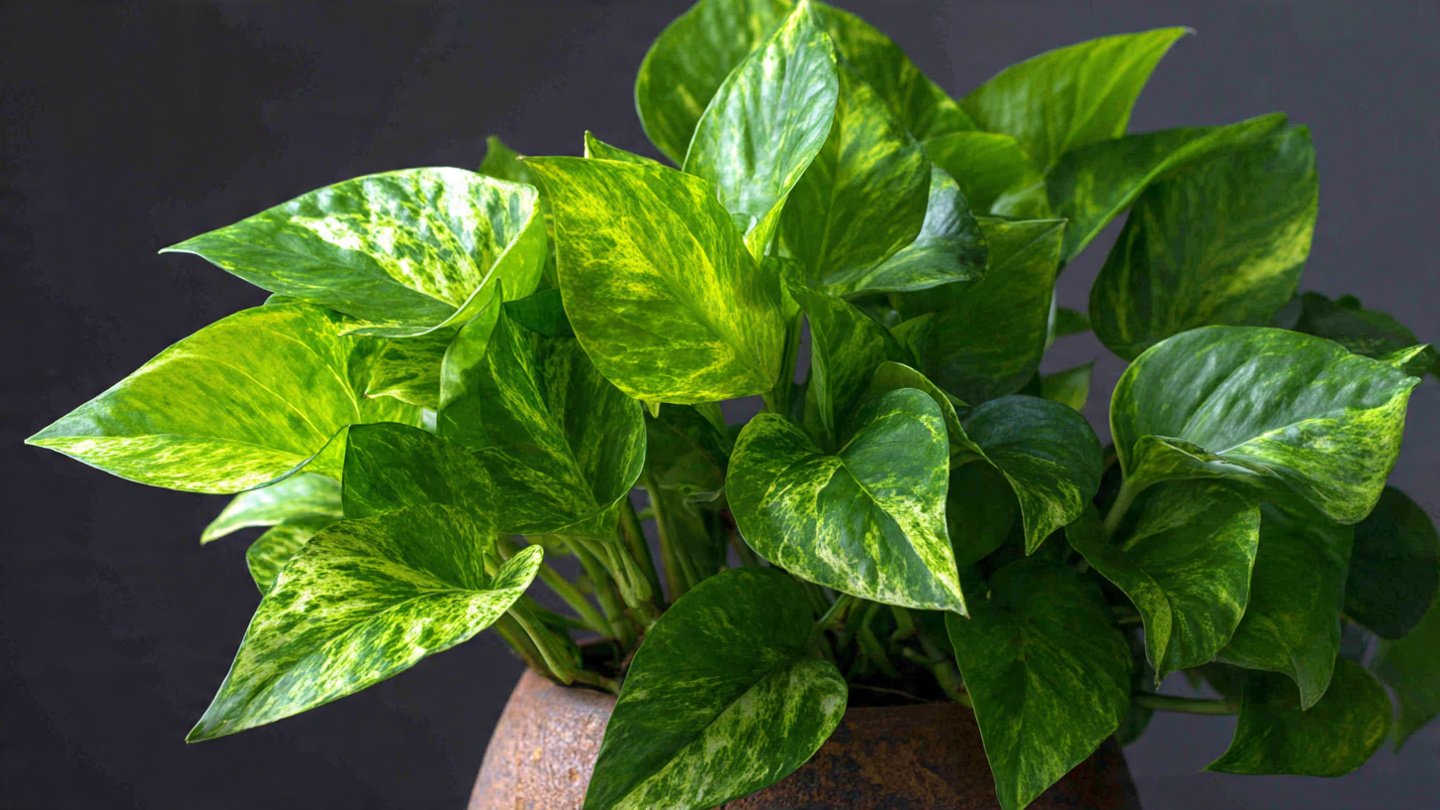
Pothos is famous for being nearly indestructible. It survives low light, missed waterings, and cramped pots—and still looks decent. But if you want long vines, big heart-shaped leaves, and that deep glossy green shine, fertilizer matters more than most people realize. Many pothos plants limp along for years without proper feeding, producing small, dull leaves and slow growth.
The secret isn’t feeding more—it’s feeding the right way. This guide breaks down exactly how, when, and what to fertilize so your pothos looks lush and vibrant all year long.
Why Fertilizing Pothos Correctly Makes a Big Difference
In nature, pothos grows in rich forest debris where nutrients are constantly replenished. Indoors, it lives in a limited amount of potting mix that gets depleted over time. Water alone can’t replace those nutrients.
Proper fertilization helps:
- Increase leaf size and thickness
- Improve deep green color and natural shine
- Encourage faster, fuller vine growth
- Strengthen roots and stems
- Prevent yellowing and weak foliage
Without feeding, pothos survives—but it won’t thrive.
Understanding What Pothos Actually Needs
Pothos is a foliage plant, not a heavy bloomer. That means its fertilizer needs are simple but specific.
Key Nutrients for Glossy Leaves
- Nitrogen (N): Drives leafy growth and rich green color
- Phosphorus (P): Supports root health
- Potassium (K): Strengthens leaves and improves overall vigor
Micronutrients like magnesium, iron, and calcium also contribute to leaf quality and shine.
A balanced approach always works best.
Choosing the Best Fertilizer for Pothos
Not all fertilizers are equal, and using the wrong one can cause leaf burn or weak growth.
Best Fertilizer Types
- Balanced liquid fertilizer (10-10-10 or 20-20-20)
- Houseplant-specific liquid feeds
- Organic liquid options like fish emulsion or seaweed extract
Liquid fertilizers are ideal because nutrients reach the roots evenly and quickly.
What to Avoid
- Strong lawn fertilizers
- Slow-release pellets in small pots
- High-phosphorus bloom boosters
Too much fertilizer is worse than none at all.
How Often Should You Fertilize Pothos?
Timing is everything. Pothos growth follows light and temperature patterns.
Seasonal Fertilizing Schedule
- Spring & Summer: Every 2–4 weeks
- Early Fall: Once a month
- Late Fall & Winter: Stop or feed once every 6–8 weeks if growth continues
If your pothos is actively producing new leaves, it’s asking for food.
The Golden Rule: Dilute More Than You Think
One of the biggest mistakes people make is using full-strength fertilizer.
Safe Dilution Guidelines
- Use ½ strength of the recommended dose
- For sensitive plants, use ¼ strength
- Always fertilize moist soil, never dry
This gentle approach prevents root burn while keeping nutrients available.
How to Fertilize Pothos Step by Step
- Water the plant lightly first
- Mix diluted fertilizer according to instructions
- Pour evenly around the soil, not on the leaves
- Allow excess water to drain out
- Discard drainage water
Consistency beats intensity every time.
Organic Fertilizer Options for Natural Shine
Organic feeding builds soil health and reduces the risk of overfeeding.
Excellent Organic Choices
- Worm casting tea: Mild, nutrient-rich
- Fish emulsion: High nitrogen (use sparingly)
- Seaweed or kelp extract: Improves leaf color and stress tolerance
- Compost tea: Balanced and gentle
Organic feeds are slower but create long-lasting improvements.
Signs Your Pothos Needs Fertilizer
Your plant will tell you when it’s hungry—if you know what to look for.
Common Symptoms
- Pale or yellowing leaves
- Smaller new growth
- Slower vine development
- Loss of leaf shine
If these appear during active growth seasons, feeding is likely needed.
Signs You’re Over-Fertilizing (And How to Fix It)
Overfeeding can damage roots and leaves quickly.
Warning Signs
- Brown leaf tips or edges
- White crust on soil surface
- Sudden leaf drop
- Wilting despite moist soil
What to Do
- Flush soil with clean water
- Skip fertilizer for 4–6 weeks
- Trim damaged leaves
Less is always safer with pothos.
Fertilizing Variegated Pothos Correctly
Variegated varieties like Golden Pothos, Marble Queen, and N’Joy need extra care.
- Avoid excess nitrogen—it reduces variegation
- Feed lightly and less frequently
- Provide brighter indirect light
Balanced feeding keeps patterns sharp and leaves strong.
Should You Use Foliar Feeding?
Foliar feeding is optional but can enhance leaf appearance.
How to Do It Safely
- Use very diluted liquid fertilizer
- Spray early morning or evening
- Avoid direct sunlight afterward
This works best as a supplement, not a replacement for soil feeding.
Soil Quality Matters More Than Fertilizer
Even the best fertilizer won’t work in poor soil.
Ideal Soil Mix for Pothos
- Light, well-draining potting mix
- Added perlite for airflow
- Occasional top-dressing with compost
Repot every 1–2 years to refresh nutrients naturally.
How Light Affects Fertilizer Use
Light and fertilizer work together.
- Low light = less fertilizer needed
- Bright indirect light = faster nutrient use
- Never fertilize heavily in low light conditions
Feeding without sufficient light leads to weak growth.
Year-Round Care Tips for Glossy Leaves
- Wipe leaves monthly to remove dust
- Rotate the plant for even growth
- Keep away from cold drafts
- Maintain moderate humidity
Healthy leaves absorb nutrients better and shine naturally.
Final Thoughts: Feed Smart, Not Heavy
Pothos doesn’t need aggressive feeding to look amazing. With light, consistent fertilization, proper timing, and good soil, your plant will reward you with lush vines and glossy leaves all year long.
Remember:
- Dilute your fertilizer
- Feed during active growth
- Watch your plant’s response
- Adjust gently, not drastically
Master this balance, and your pothos will go from “easy houseplant” to a stunning indoor showpiece 🌿