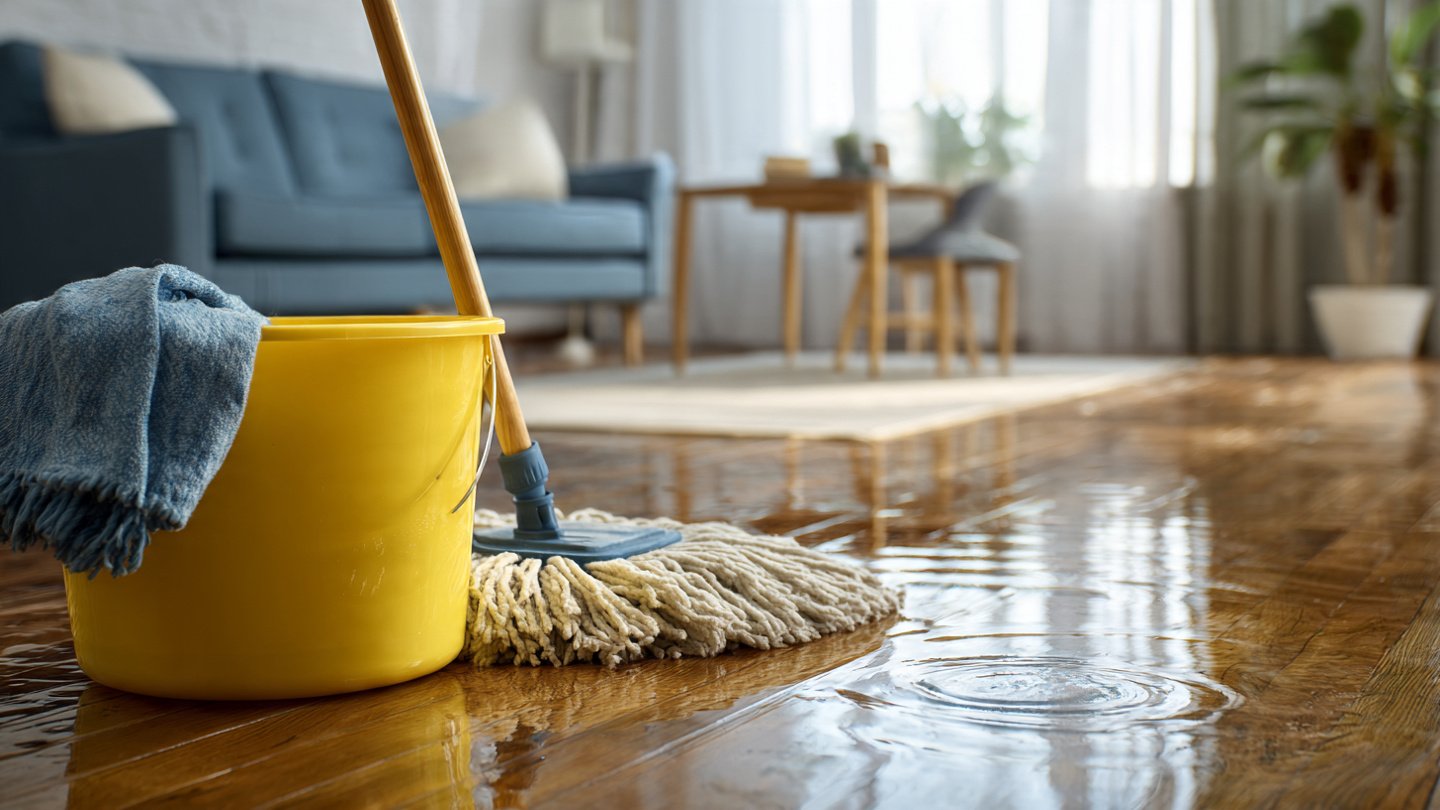
No matter how often you mop, floors can sometimes look dull or hold onto stubborn odors. The secret isn’t always scrubbing harder—it’s what you add to your mop water. A few simple, affordable ingredients can transform ordinary water into a powerful cleaning solution that leaves floors cleaner, shinier, and smelling fresh for days.
From natural disinfectants to odor-neutralizing boosters, these eight additions can upgrade your floor-cleaning routine without harsh chemicals or expensive products. Let’s explore what works, why it works, and how to use each one safely.
Why Plain Water Isn’t Enough for Mopping
Water alone removes surface dust, but it struggles with:
- Grease and sticky residue
- Bacteria and germs
- Lingering pet or cooking odors
- Built-up grime in corners
Adding the right ingredient helps break down dirt, sanitize surfaces, and leave behind a pleasant scent—without damaging your floors.
1. White Vinegar: The Natural Deep Cleaner
White vinegar is a classic cleaning powerhouse. Its acidic nature cuts through grease, soap residue, and odors with ease.
Benefits
- Breaks down grime and sticky buildup
- Neutralizes odors
- Naturally disinfects
How to Use
Mix ½ cup of white vinegar into a bucket of warm water.
Best For
- Tile
- Vinyl
- Laminate
- Sealed hardwood
Avoid using vinegar on unsealed wood or natural stone like marble, as acidity can damage the surface.
2. Baking Soda: The Odor Eliminator
If your floors smell less-than-fresh, baking soda is your best friend. It doesn’t just mask odors—it neutralizes them.
Benefits
- Absorbs unpleasant smells
- Lifts dirt gently
- Safe and non-toxic
How to Use
Dissolve 2 tablespoons of baking soda in warm mop water.
Best For
- Kitchen floors
- Bathroom tiles
- Pet areas
Baking soda is mild enough for regular use and especially helpful in high-traffic zones.
3. Essential Oils: Natural Fragrance and Extra Clean Power
Essential oils don’t just smell amazing—many also have antibacterial properties.
Popular Choices
- Lemon: cuts grease and leaves a fresh scent
- Lavender: calming and antibacterial
- Tea tree: powerful germ-fighter
- Eucalyptus: fresh, clean aroma
How to Use
Add 10–15 drops of essential oil to your mop bucket.
Best For
- All floor types (when diluted properly)
- Homes with pets or kids (choose pet-safe oils)
Essential oils instantly make your home smell cleaner without synthetic fragrances.
4. Dish Soap: Grease-Cutting Power
Sometimes floors need a little extra help—especially in kitchens. A small amount of dish soap can cut through oily residue fast.
Benefits
- Breaks down grease
- Removes sticky spills
- Adds mild fragrance
How to Use
Add 1 teaspoon of mild dish soap to warm water.
Best For
- Kitchen tiles
- Vinyl
- Linoleum
Avoid using too much soap, as it can leave a slippery or streaky residue.
5. Rubbing Alcohol: Fast-Drying Disinfectant
Rubbing alcohol is excellent for sanitizing floors and speeding up drying time.
Benefits
- Kills germs
- Removes sticky residue
- Prevents streaks
- Evaporates quickly
How to Use
Mix ¼ cup rubbing alcohol into a bucket of water.
Best For
- Tile
- Laminate
- Vinyl
It’s especially useful when you need floors dry quickly or want a streak-free finish.
6. Pine Oil or Pine Cleaner: Classic Freshness
That “just-cleaned” smell many people love? It’s often pine oil. Beyond the scent, it’s also an effective cleaner.
Benefits
- Strong cleaning power
- Antibacterial properties
- Long-lasting fresh scent
How to Use
Follow label instructions—usually 1–2 tablespoons per bucket.
Best For
- Tile
- Concrete
- Sealed wood floors
Pine-based cleaners are ideal for large areas and high-traffic spaces.
7. Hydrogen Peroxide: Gentle Whitening and Disinfecting
Hydrogen peroxide is a powerful yet gentle cleaner that’s great for brightening floors.
Benefits
- Kills bacteria
- Lightens stains
- Removes odors
How to Use
Add ¼ cup of 3% hydrogen peroxide to warm water.
Best For
- Light-colored tiles
- Grout cleaning
- Vinyl floors
Avoid frequent use on dark floors, as it may slightly lighten the surface over time.
8. Lemon Juice: Natural Shine Booster
Fresh lemon juice isn’t just for cooking—it adds shine and freshness to floors.
Benefits
- Natural degreaser
- Bright, clean scent
- Leaves floors shiny
How to Use
Mix ¼ cup fresh lemon juice into a bucket of water.
Best For
- Tile
- Vinyl
- Laminate
Lemon juice works well when combined with baking soda or a drop of dish soap.
Tips for Getting the Best Results When Mopping
To maximize cleanliness and fragrance:
- Always sweep or vacuum first
- Use warm water for better dirt removal
- Change mop water when it looks dirty
- Wring out the mop well—floors shouldn’t be soaked
- Let floors air-dry when possible
Using clean tools matters just as much as using the right ingredients.
Floor Types and What to Avoid
Different floors need different care.
Avoid On Natural Stone
- Vinegar
- Lemon juice
- Excessive baking soda
Avoid On Unsealed Wood
- Vinegar
- Hydrogen peroxide
- Too much water
Always test a small hidden area before trying a new mop solution.
Why Homemade Mop Additives Are Better
Many store-bought floor cleaners contain:
- Harsh chemicals
- Artificial fragrances
- Residues that attract dirt
Homemade solutions are:
- Budget-friendly
- Customizable
- Safer for kids and pets
- Environmentally friendly
Plus, you probably already have most of these items at home.
Final Thoughts: Cleaner Floors, Fresher Homes
Clean floors change how your entire home feels. By adding the right ingredients to your mop water, you can eliminate odors, boost shine, and keep germs under control—without relying on harsh cleaners.
Whether you prefer the fresh scent of lemon, the disinfecting power of vinegar, or the soothing aroma of essential oils, these simple additions can turn everyday mopping into a more effective and satisfying task.
Try one—or mix and match—and enjoy floors that don’t just look clean, but smell clean too.