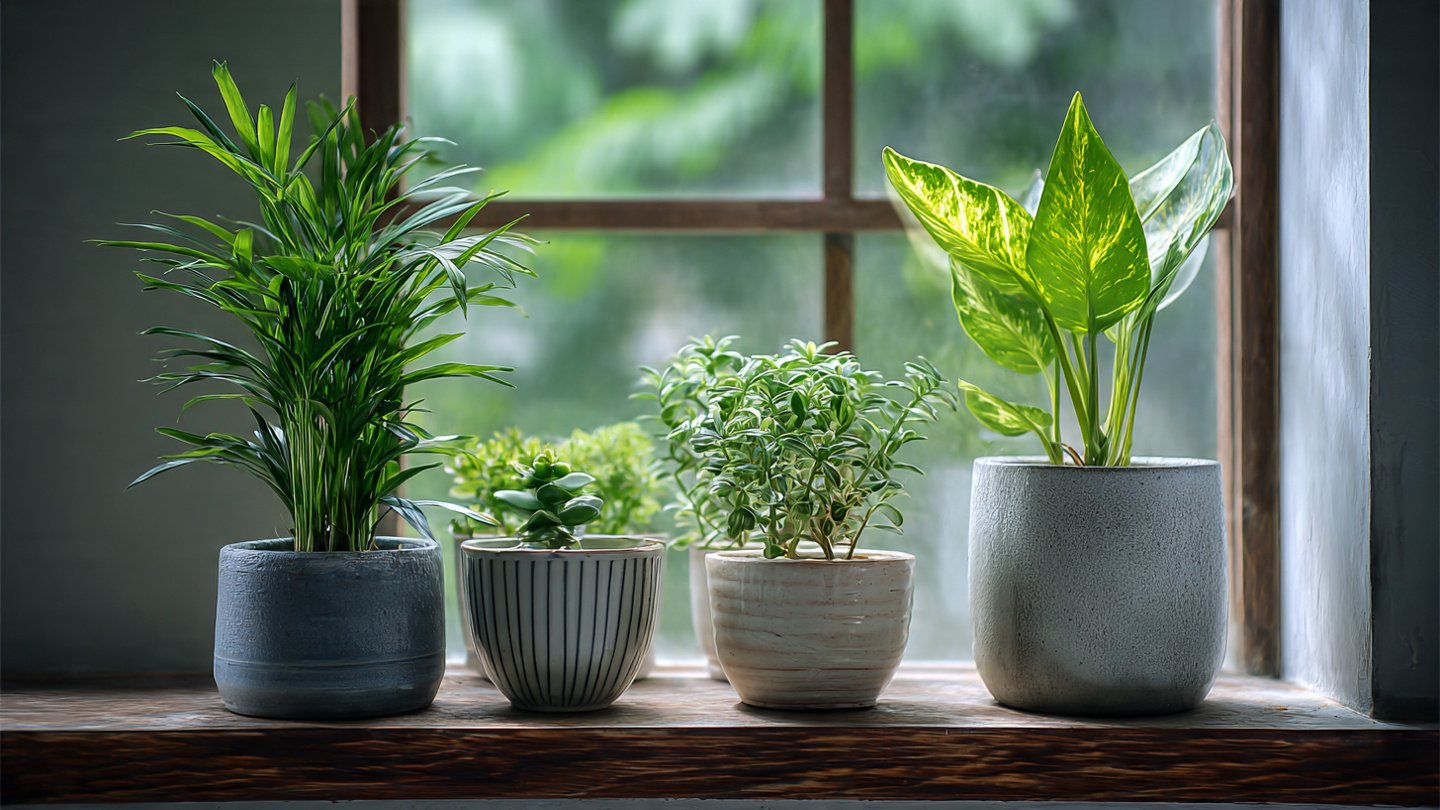
Water is the lifeblood of plants, yet not all water is created equal. While tap water is convenient and readily available, its chemical composition can sometimes harm sensitive houseplants. Hard water, chlorine, fluoride, and high mineral content can accumulate in the soil, causing leaf burn, stunted growth, or even plant death. If you’ve noticed your beloved indoor plants struggling despite regular watering, tap water could be the culprit.
Understanding which houseplants are sensitive and how to provide them with safer alternatives is key to keeping your indoor garden lush and thriving. Here’s a detailed look at five houseplants that don’t do well with tap water and how to care for them properly.
1. Calathea (Prayer Plant)
Scientific name: Calathea spp.
Why Tap Water Can Harm It:
Calatheas are prized for their striking patterned leaves and their ability to fold them up at night like hands in prayer. However, they are highly sensitive to salts and chemicals in tap water. High levels of chlorine and fluoride can cause leaf tips and edges to brown, a common symptom of water stress in these plants.
Signs of Tap Water Damage:
- Browning or curling leaf edges
- Yellowing of new leaves
- Leaf spotting
Watering Tips:
- Use distilled water, rainwater, or filtered water.
- Maintain consistently moist soil, but avoid waterlogging.
- Calatheas thrive in slightly acidic soil (pH 6–6.5), which is another reason tap water with a high pH can be problematic.
Extra Care Tip: Mist the leaves regularly to maintain humidity, as Calatheas love tropical conditions.
2. Fiddle Leaf Fig
Scientific name: Ficus lyrata
Why Tap Water Can Harm It:
Fiddle leaf figs are popular for their large, glossy leaves, but these plants are extremely sensitive to fluoride and chlorine commonly found in municipal water. Over time, minerals can build up in the soil, leading to leaf tip burn and reduced growth.
Signs of Tap Water Damage:
- Leaf browning at the tips
- Dropping lower leaves
- Stunted growth
Watering Tips:
- Use rainwater or filtered water.
- Allow the top inch of soil to dry out between waterings.
- Ensure your pot has proper drainage to avoid root rot.
Extra Care Tip: Rotate your plant periodically to ensure even growth and maintain leaf health.
3. Spider Plant
Scientific name: Chlorophytum comosum
Why Tap Water Can Harm It:
Spider plants are generally resilient, but they are prone to fluoride toxicity. This is especially true in areas with heavily fluoridated water. Over time, fluoride can cause the leaf tips to brown, which is often mistaken for nutrient deficiency.
Signs of Tap Water Damage:
- Brown leaf tips (especially on older leaves)
- Leaf curling
- Reduced vigor
Watering Tips:
- Use rainwater, distilled water, or water that has sat overnight to allow chlorine to dissipate.
- Maintain evenly moist soil without waterlogging.
Extra Care Tip: Periodically trim brown tips to keep the plant looking healthy, but avoid over-fertilizing, as this can compound stress.
4. Peace Lily
Scientific name: Spathiphyllum spp.
Why Tap Water Can Harm It:
Peace lilies are beloved for their white blooms and lush green leaves. They are highly sensitive to salts and chemicals in tap water, especially fluoride, which can cause leaf tips to turn brown. Since peace lilies are often grown in indoor environments with limited airflow, the effects of poor-quality water are amplified.
Signs of Tap Water Damage:
- Browning leaf tips
- Curling or drooping leaves
- Poor flowering
Watering Tips:
- Use distilled water, rainwater, or softened water.
- Keep the soil consistently moist but not soggy.
- Occasionally flush the soil with safe water to remove accumulated salts.
Extra Care Tip: Peace lilies benefit from high humidity, so placing them near a humidifier or misting their leaves can improve overall plant health.
5. Carnivorous Plants
Scientific name: Varies by species, e.g., Sarracenia, Nepenthes, Dionaea muscipula
Why Tap Water Can Harm Them:
Carnivorous plants, including Venus flytraps, pitcher plants, and sundews, have evolved to thrive in nutrient-poor, acidic environments. Tap water is usually too high in minerals and salts for these sensitive species, which can cause leaf burn, reduced growth, and even death.
Signs of Tap Water Damage:
- Blackened leaf margins
- Stunted or deformed traps
- Reduced ability to capture prey
Watering Tips:
- Always use rainwater, distilled water, or reverse osmosis water.
- Maintain moist soil with good drainage while avoiding standing water.
- Many carnivorous plants benefit from being watered from below, allowing roots to soak up water gradually.
Extra Care Tip: Provide bright, indirect sunlight to simulate natural habitats and support healthy growth.
Why Tap Water Can Be Problematic
Several factors in tap water can negatively impact sensitive houseplants:
- Chlorine and Chloramine: Used to disinfect municipal water, these chemicals can damage delicate roots and soil microbes.
- Fluoride: Common in tap water, fluoride can accumulate in leaf tips, causing necrosis in sensitive species.
- Hard Water Minerals: High levels of calcium and magnesium can alter soil pH and interfere with nutrient absorption.
- Salts and Impurities: Over time, salts from tap water can build up in the soil, leading to poor growth and brown leaf tips.
Alternatives to Tap Water
If you have sensitive houseplants, there are several safe alternatives:
- Distilled Water: Free of minerals and chemicals, ideal for plants like Calathea and carnivorous species.
- Rainwater: Naturally soft and free from chemicals. Collect in a clean container and use promptly.
- Filtered Water: Water filtered through activated carbon or reverse osmosis systems removes most harmful minerals and chemicals.
- Settled Tap Water: Letting tap water sit in an open container for 24 hours allows chlorine to evaporate, though this won’t remove fluoride or hard water minerals.
Additional Tips for Watering Sensitive Houseplants
- Check Soil Moisture: Avoid overwatering by checking the soil before adding water. Most sensitive plants prefer slightly moist but not soggy soil.
- Flush Soil Periodically: Even with safe water, salts can accumulate over time. Occasionally flush pots with safe water to remove buildup.
- Monitor Plant Health: Watch for brown leaf tips, yellowing, or curling as signs that your water source may need adjustment.
- Consider Container Material: Terracotta pots allow excess minerals to leach out naturally, while plastic pots retain salts. Choose accordingly.
- Maintain Humidity: Many sensitive plants thrive in humid conditions, which helps mitigate minor water issues. Use trays, misting, or humidifiers where appropriate.
Conclusion
While tap water is convenient, it is not suitable for every houseplant. Sensitive species like Calathea, Fiddle Leaf Fig, Spider Plant, Peace Lily, and carnivorous plants require careful consideration of water quality. Using distilled water, rainwater, or filtered water, combined with proper watering techniques, can prevent leaf burn, stunted growth, and other issues associated with tap water.
Understanding your plant’s specific needs is key to indoor gardening success. By providing the right water, you not only preserve the beauty of your houseplants but also support their long-term health and growth. For plant lovers who want thriving indoor greenery, paying attention to water quality isn’t just a detail—it’s a necessity.
In the world of indoor gardening, water is more than a simple resource; it’s the foundation of plant health. Choosing the right water for your sensitive houseplants ensures that they flourish, bringing vibrant life and lush greenery into your home for years to come.