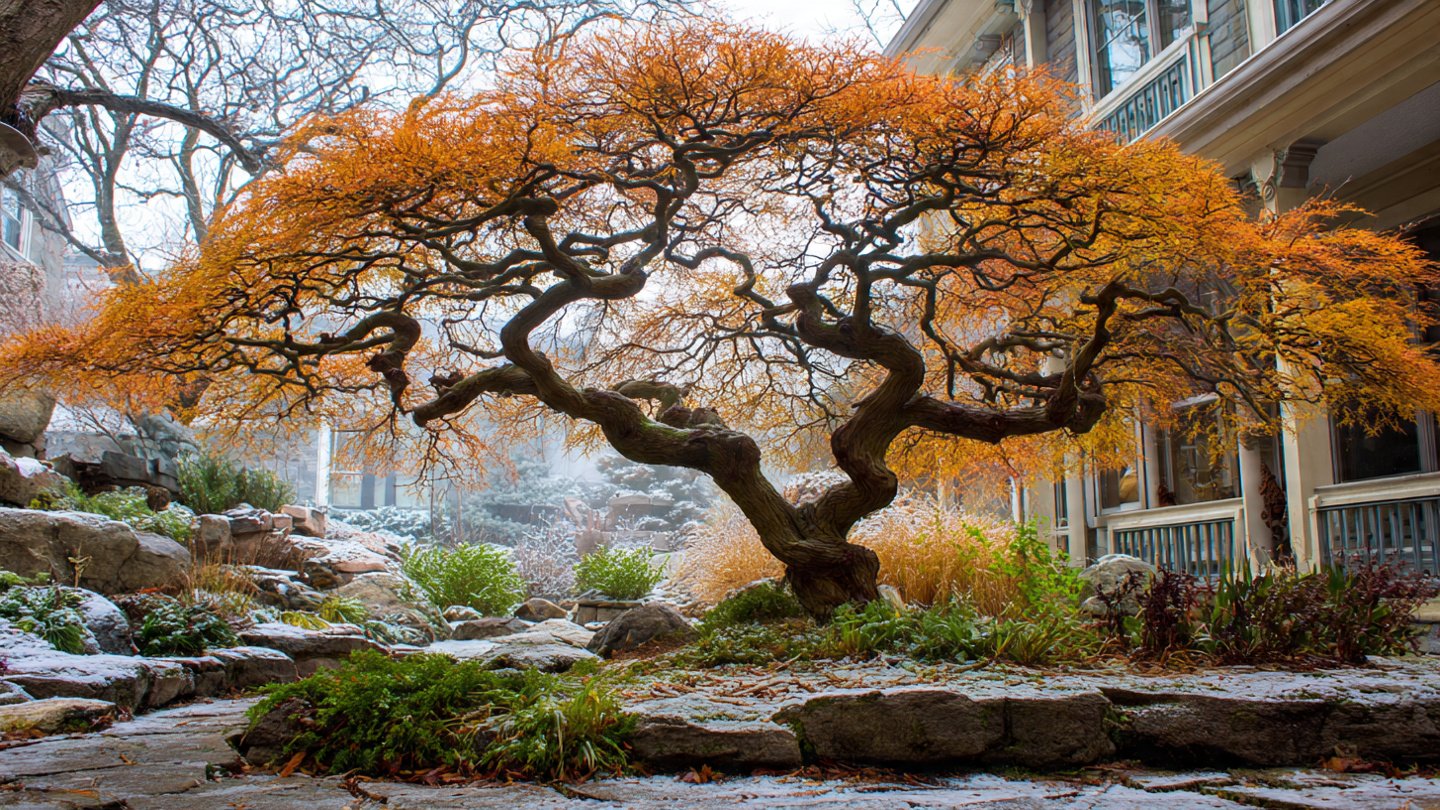
Japanese maple trees, known scientifically as Acer palmatum, are prized for their delicate leaves, graceful form, and stunning seasonal color changes. Homeowners and gardeners often admire them for their ornamental beauty and unique structural elegance. However, maintaining their shape and health sometimes requires careful pruning. One common question among gardeners is whether winter is an appropriate time to prune Japanese maples, or if doing so could harm the tree.
Let’s explore the timing, risks, and benefits of winter pruning, as well as expert guidelines for ensuring your Japanese maple thrives.
Understanding Japanese Maple Growth Patterns
Before deciding when to prune, it’s important to understand how Japanese maples grow. These trees have distinct growth cycles:
- Dormancy in Winter: Japanese maples enter a period of dormancy during the winter months. Leaves have usually fallen, and growth has slowed dramatically. The tree conserves energy and prepares for spring.
- Active Growth in Spring and Summer: As temperatures rise, the tree resumes active growth, producing new leaves, shoots, and roots. This is the ideal time for most growth-related activities.
- Fall Color and Leaf Drop: In autumn, leaves display vibrant reds, oranges, or purples before dropping. This signals the tree’s preparation for dormancy.
Because pruning involves cutting branches and exposing tissues, the tree’s growth stage determines how well it will respond and recover.
Pros and Cons of Winter Pruning
Pruning Japanese maples in winter comes with both advantages and disadvantages. Understanding these can help gardeners make informed decisions.
Pros of Winter Pruning
- Better Visibility of Structure:
With leaves gone, the tree’s branching structure is fully visible. This allows you to clearly see which branches need removal or shaping, making structural pruning more precise. - Reduced Risk of Sap Bleeding:
In winter, the tree’s sap flow slows significantly. This means cuts are less likely to “bleed” sap, which can happen during spring pruning. Sap bleeding is not fatal, but it can attract insects and fungi. - Convenient Timing:
Winter pruning allows gardeners to prepare the tree for spring growth. With proper pruning, new shoots in spring can develop in desired directions without interference from existing foliage.
Cons of Winter Pruning
- Cold Damage Risk:
Pruning removes protective bark and exposes cambium tissue. In extremely cold climates, these cuts can be susceptible to frost damage, which can delay healing or cause branch dieback. - Reduced Healing Capacity:
Since the tree is dormant, it has limited ability to seal wounds immediately. Large cuts may remain vulnerable to infection or pests until spring. - Potential Stress on the Tree:
Heavy pruning in winter can stress the tree, especially if it’s young, recently transplanted, or already weakened. Stress can result in slower growth or reduced vigor in spring.
Expert Recommendations
Most horticultural experts recommend light to moderate pruning in late winter or early spring, just before bud break. Here’s why:
- Light Pruning: Removing dead, damaged, or crossing branches is safe in winter, as it improves air circulation and overall tree health.
- Structural Pruning: Removing branches that interfere with the desired shape is best done in late winter when the structure is visible.
- Avoid Heavy Pruning: Cutting too much of the canopy in winter can expose the tree to stress and cold damage. Major shaping or reduction is often better in early spring after the risk of extreme cold has passed.
By timing your pruning carefully, you can minimize risks and maximize the tree’s aesthetic and health benefits.
How to Safely Prune Your Japanese Maple in Winter
If you decide to prune in winter, follow these practical guidelines:
1. Use Clean, Sharp Tools
- Use sharp pruning shears or saws to make clean cuts.
- Disinfect tools with rubbing alcohol or a mild bleach solution to prevent the spread of disease.
2. Remove Dead, Diseased, or Damaged Branches
- Start by identifying branches that are broken, crossing, or diseased.
- Remove these branches first to prevent disease spread and improve airflow.
3. Avoid Excessive Pruning
- Limit pruning to 10–20% of the canopy in winter.
- Avoid heavy structural cuts unless absolutely necessary; save major shaping for early spring.
4. Cut at the Right Spot
- Always make cuts just above a bud or branch junction.
- Avoid leaving long stubs, which can invite disease or decay.
5. Consider Environmental Conditions
- Avoid pruning during extremely cold snaps or heavy frost.
- Choose a day with mild, dry weather to allow cuts to heal more effectively.
Signs You Should Delay Pruning
Even in winter, there are situations when pruning should be postponed:
- Young or Newly Planted Trees: Young Japanese maples are more vulnerable to stress. Delay pruning until they are established.
- Severe Winter Conditions: In regions with temperatures below -10°C (14°F), pruning can increase the risk of frost damage.
- Severe Stress or Disease: If the tree is already struggling with disease or poor growth, light pruning may be safer than heavy structural work.
Alternative Pruning Approaches
If winter pruning seems risky, gardeners can consider alternatives:
- Fall Pruning: Minor pruning after leaf drop can remove dead wood but may leave the tree vulnerable to cold.
- Spring Pruning: Once buds begin to swell, pruning can be more precise, and the tree can quickly seal wounds.
- Continuous Light Maintenance: Regularly removing weak shoots and suckers during the growing season reduces the need for heavy winter cuts.
Benefits of Proper Winter Pruning
When done correctly, winter pruning offers tangible benefits:
- Enhanced Tree Structure: Pruning in winter allows you to shape the tree for aesthetic appeal and balanced growth.
- Better Air Circulation: Removing crossing branches reduces disease risk and encourages healthier leaves in spring.
- Improved Sunlight Penetration: Proper pruning ensures sunlight reaches inner branches, promoting even growth and vibrant foliage.
- Preparation for Spring Growth: Strategic winter pruning directs energy to healthy branches and buds, resulting in more vigorous spring development.
Common Mistakes to Avoid
To ensure successful pruning, avoid these common errors:
- Pruning Too Late in Winter: Late pruning in harsh cold can expose cuts to frost damage.
- Cutting Large Branches Excessively: Large cuts heal slower and increase the risk of decay.
- Ignoring Tree Health: Pruning stressed or diseased trees can exacerbate problems.
- Using Dull or Dirty Tools: Dirty tools can spread disease, and jagged cuts slow healing.
Conclusion
Pruning Japanese maple trees in winter is not inherently bad, but it must be approached carefully. Light pruning to remove dead or damaged branches is generally safe and beneficial. However, heavy structural pruning is best postponed until late winter or early spring when the tree begins to wake from dormancy.
Key takeaways:
- Winter pruning provides better visibility and reduces sap bleeding.
- Risks include cold damage, slow healing, and stress, particularly with heavy pruning.
- Use clean, sharp tools, prune conservatively, and avoid extreme cold periods.
- Complement winter pruning with proper tree care in spring for optimal growth and foliage development.
By understanding your tree’s growth cycles and carefully timing pruning activities, you can maintain the health, beauty, and longevity of your Japanese maple. With thoughtful care, this elegant tree can remain a centerpiece of your garden for decades to come.