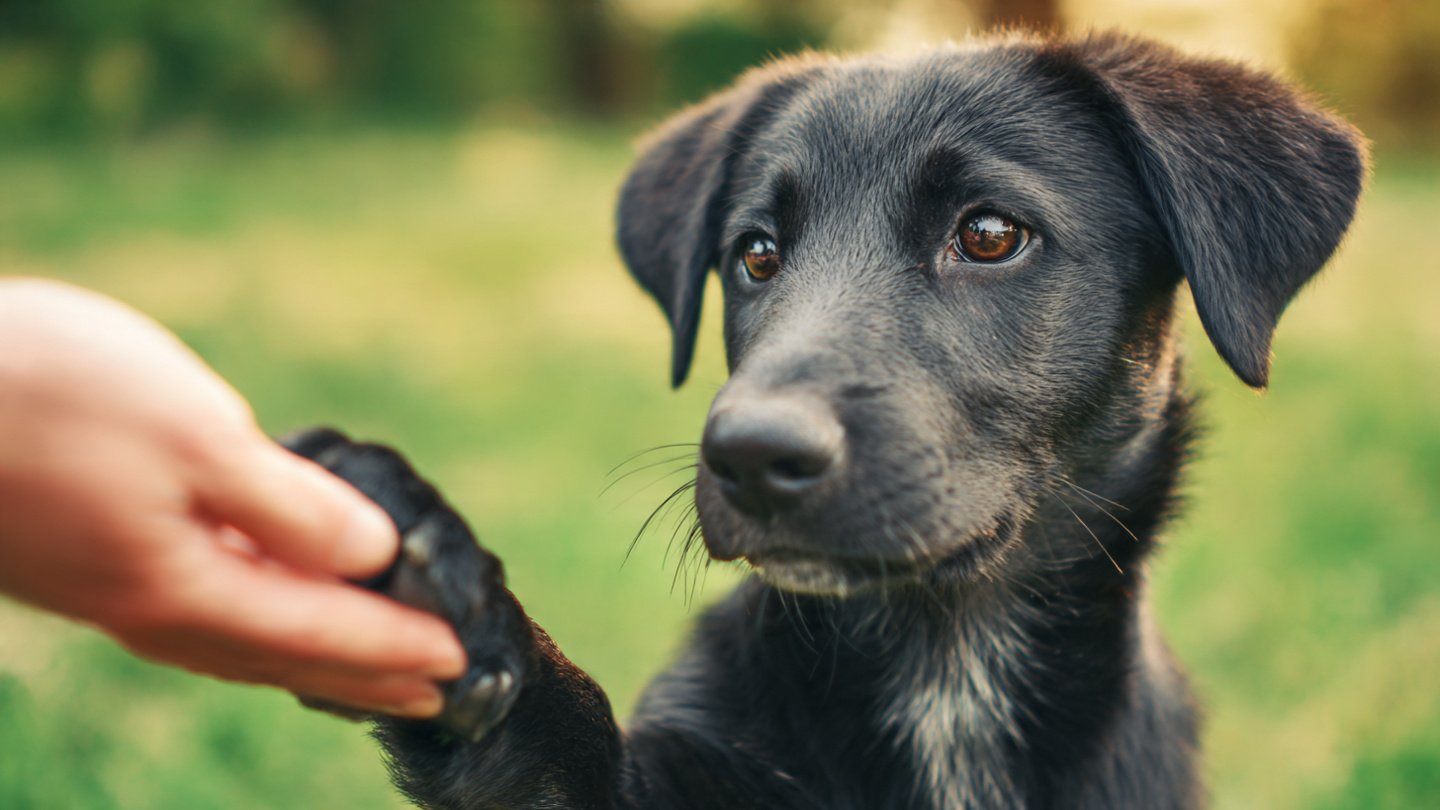
Have you ever reached down and your dog extended its paw, seemingly offering it to you as a greeting? Many dog owners instinctively interpret this gesture as a friendly hello or an invitation to play—but according to animal behavior experts, there’s much more going on beneath that adorable paw lift.
Dogs communicate primarily through body language, and their paw gestures can carry multiple meanings depending on context, breed, and the individual dog’s personality. Understanding these subtle signals can improve your bond with your furry friend and help you respond appropriately.
What Does a Paw Gesture Usually Mean?
When a dog gives you its paw, it’s often an attempt to communicate a need or desire rather than a simple greeting. Experts highlight several common reasons:
1. Seeking Attention or Affection
Dogs are social animals that crave interaction with their humans. By offering a paw, your dog may be saying:
- “Pet me!”
- “Notice me!”
- “I want some attention right now.”
According to certified dog behaviorist Sarah Kalnajs, “Many dogs learn that giving their paw gets a human response—whether it’s petting, praise, or a treat—so it becomes a way to initiate interaction.”
2. Asking for Something
A paw gesture can also signal a specific request:
- Hunger or thirst (“I’d like my food now.”)
- Desire to go outside (“Can we go for a walk?”)
- Request for a toy or game
Dogs often pair pawing with other signals, like whining, eye contact, or pacing, to make their needs clear. Observing your dog’s body language and the situation is key to interpreting the gesture correctly.
3. Submission or Appeasement
Sometimes a paw lift is a sign of submission, especially if accompanied by other calming signals:
- Lowered head or body
- Relaxed ears and eyes
- Slow blinking
This behavior often occurs in interactions with humans or other dogs, indicating that your dog does not intend to challenge you and is trying to show friendliness or deference.
4. Learned Behavior and Training
Many dogs learn to “shake hands” as a trick, and repeated positive reinforcement can generalize this behavior to casual interactions.
- Dogs quickly associate paw-giving with rewards such as treats or praise.
- Over time, the gesture may occur spontaneously whenever the dog wants to engage you.
While training contributes to the behavior, the underlying motivation—attention, reward, or communication—remains an essential factor.
5. Comfort-Seeking or Anxiety Signals
Some dogs paw at their owners as a way to cope with anxiety or stress.
- This may occur during thunderstorms, fireworks, or separation from their owner.
- The gesture can be a subtle plea for reassurance: “I feel uneasy; please be near me.”
Dr. Stanley Coren, a psychologist and canine behavior researcher, notes that dogs “often use pawing as a comforting gesture, both to themselves and to seek comfort from their humans.”
How to Recognize the Context
To accurately interpret a paw gesture, consider the context and body language:
| Context | Possible Meaning | Additional Clues |
|---|---|---|
| Dog looks at you and wags tail | Seeking attention or play | May also nudge your hand or lean against you |
| Dog lifts paw near food bowl | Request for food | Focused on bowl, whining or pacing |
| Dog lifts paw during vet visit or with strangers | Submission or nervousness | Ears back, lowered body posture, tail tucked |
| Dog has recently been trained | Learned behavior | Excited, expecting a treat or praise |
| Dog lifts paw while anxious | Comfort-seeking | Panting, pacing, or trembling |
Reading your dog’s entire body language—including eyes, ears, tail, and posture—is essential to avoid misinterpretation.
What Paw-Giving Tells Us About Dogs
Experts emphasize that the paw gesture is a form of communication, demonstrating dogs’ intelligence, social awareness, and adaptability:
- Dogs are attuned to human reactions. They quickly learn which behaviors elicit responses.
- Paw gestures show intentionality. Unlike random movements, offering a paw is a deliberate way to communicate.
- Dogs express emotion through touch. Physical gestures are part of their social toolkit, helping them connect with their owners.
Understanding paw-giving helps pet owners appreciate their dog’s attempts to communicate, strengthening the human-animal bond.
How Should You Respond?
Responding appropriately to paw gestures depends on the motivation behind it:
If Seeking Attention or Affection
- Offer gentle petting or verbal praise.
- Maintain consistent boundaries if you don’t want the behavior to become excessive.
If Requesting Something
- Evaluate the need: Is it food, a walk, or playtime?
- Respond appropriately but avoid reinforcing attention-seeking behaviors with unnecessary rewards.
If Indicating Anxiety or Submission
- Provide calm reassurance through touch or a soothing voice.
- Avoid scolding, which may exacerbate fear or stress.
If Part of a Learned Trick
- Use it as an opportunity for positive reinforcement training, teaching your dog patience and self-control.
Consistency is key: recognizing the context ensures your response reinforces healthy communication without encouraging unwanted behaviors.
Fun Fact: Paw-Giving Across Dog Breeds
While all dogs can give a paw, certain breeds are more likely to use this gesture frequently:
- Border Collies, Golden Retrievers, and Labradors: Highly social and human-focused breeds.
- Small companion breeds (like Poodles or Shih Tzus): Often use pawing to attract attention.
- Working breeds: May use paw gestures less but show other communicative behaviors.
Regardless of breed, individual personality, training, and environment influence how often a dog offers its paw.
Common Misconceptions
- It’s Only a Trick or Play Signal – Not always; often, it’s a genuine attempt to communicate.
- All Paw Gestures Mean Affection – Sometimes, it indicates submission, anxiety, or a request.
- Ignoring It Is Okay – Ignoring pawing can frustrate a dog if it’s a signal for a real need. Respond thoughtfully.
Recognizing these misconceptions ensures pet owners interpret gestures accurately.
Final Thoughts
When your dog offers its paw, it’s much more than a cute or playful gesture—it’s a form of communication. From asking for attention to signaling submission or seeking comfort, the paw conveys intention, emotion, and intelligence.
By observing context, reading body language, and responding appropriately, you can strengthen your bond with your dog and better meet its needs. So next time your furry friend extends its paw, remember: it’s not just saying hello—it’s trying to tell you something important.
Understanding this subtle communication is part of being a thoughtful and responsive pet owner, allowing your dog to thrive emotionally and socially while deepening the connection you share.