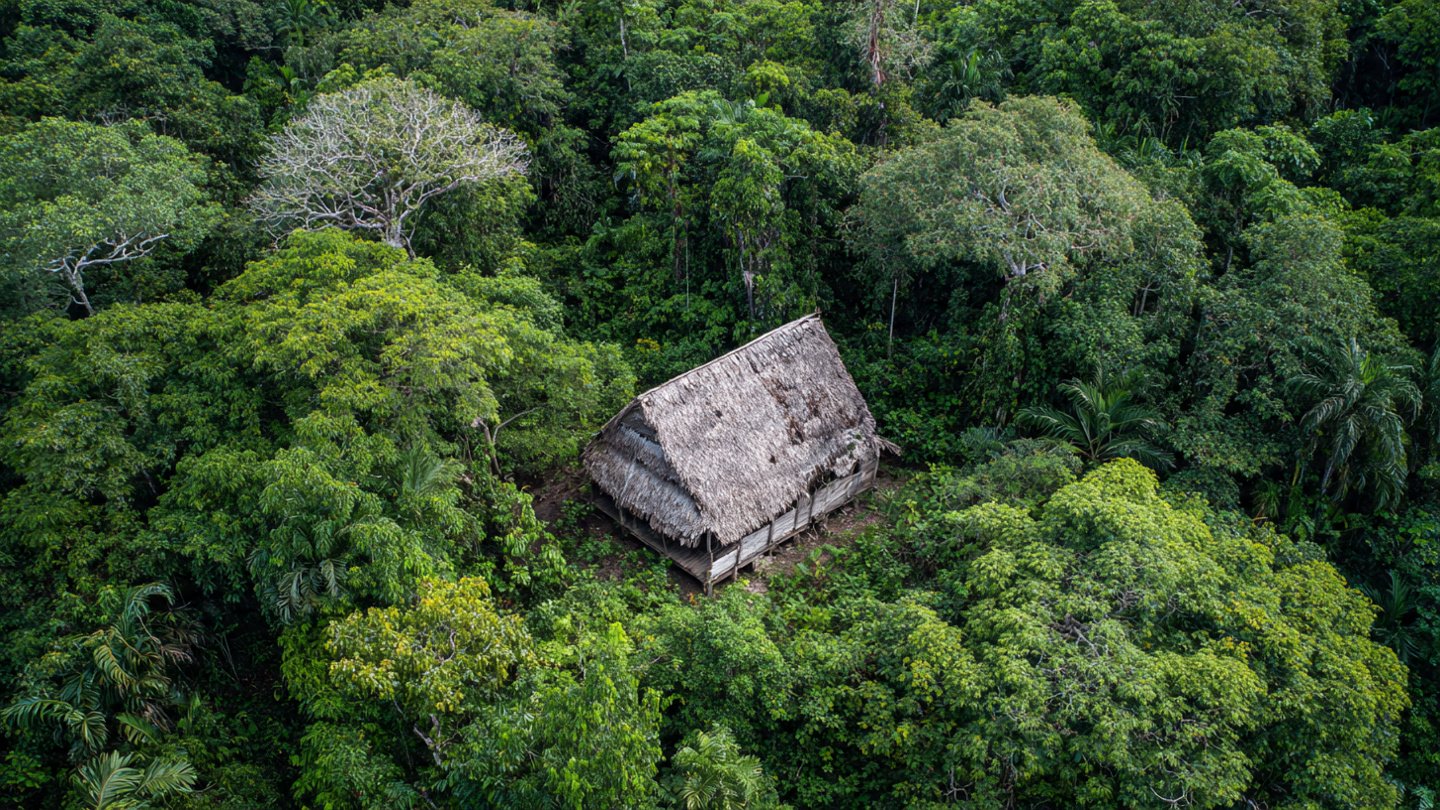
Deep within the Amazon rainforest, a powerful natural solution to the global climate crisis is quietly at work. Over 700,000 protected indigenous trees, safeguarded through conservation initiatives and Indigenous stewardship, are playing a crucial role in regulating rainfall, stabilizing regional and global climate systems, and preserving one of the most biodiverse ecosystems on Earth.
While deforestation headlines often dominate discussions about the Amazon, this large-scale protection effort highlights a different story—one of resilience, collaboration, and the irreplaceable value of intact forests. These trees are not just standing silently; they are actively shaping weather patterns, storing carbon, sustaining wildlife, and supporting Indigenous cultures that have protected the rainforest for generations.
The Amazon’s Role as a Climate Regulator
The Amazon rainforest is often referred to as the “lungs of the Earth,” but its function extends far beyond oxygen production. The forest acts as a massive climate engine, influencing rainfall across South America and even affecting weather systems in North America and Europe.
Protected indigenous trees contribute to this system by:
- Absorbing and storing vast amounts of carbon dioxide
- Releasing moisture into the atmosphere through evapotranspiration
- Regulating temperature by cooling the land surface
Each mature tree can release hundreds of liters of water vapor into the air daily. Multiplied by hundreds of thousands of trees, this process forms “flying rivers”—atmospheric moisture streams that drive rainfall far beyond the Amazon basin.
Regulating Rainfall Through Forest Integrity
Rainfall regulation depends heavily on forest continuity. When forests are fragmented or cleared, the natural water cycle weakens. The protection of over 700,000 indigenous trees helps maintain uninterrupted forest cover, allowing the Amazon to function as a self-sustaining hydrological system.
These protected trees:
- Help prevent droughts by sustaining consistent rainfall
- Reduce extreme flooding by slowing water runoff
- Maintain soil moisture essential for agriculture and ecosystems
Scientists have found that regions with intact forests experience more stable rainfall patterns than deforested areas. This stability benefits not only the Amazon but also surrounding agricultural regions that rely on predictable rain cycles.
Climate Stabilization at a Global Scale
Climate change is driven largely by excess carbon in the atmosphere. Forests act as natural carbon sinks, and the Amazon is one of the most important on the planet.
The protected indigenous trees:
- Store millions of tons of carbon in their trunks, roots, and surrounding soil
- Prevent carbon release that would occur if trees were cut or burned
- Moderate temperature extremes by cooling surrounding air
By keeping these trees standing, conservation efforts help slow global warming and reduce the frequency of climate-related disasters such as heatwaves and prolonged droughts.
Indigenous Stewardship: A Proven Conservation Model
One of the most important aspects of this success story is Indigenous leadership. Indigenous territories in the Amazon consistently show lower deforestation rates than unprotected land, even when compared to government-managed reserves.
Indigenous communities protect trees by:
- Practicing sustainable land management
- Preserving traditional ecological knowledge
- Defending territories from illegal logging and mining
For many Indigenous cultures, trees are not resources to be exploited but relatives within a living system. This worldview has proven to be one of the most effective conservation strategies available today.
Preserving One of the World’s Richest Biodiversity Hotspots
The Amazon is home to:
- Around 10% of all known species on Earth
- Thousands of plant species found nowhere else
- Countless insects, birds, mammals, amphibians, and microorganisms
Protected indigenous trees create stable habitats that allow species to thrive. Large, old-growth trees are especially important, providing:
- Nesting sites for birds and mammals
- Food sources such as fruits, seeds, and nectar
- Microhabitats for fungi, insects, and epiphytes
When these trees remain intact, entire ecological networks remain functional.
Protecting Medicinal and Scientific Knowledge
Many Amazonian tree species have medicinal properties that are still being studied. Indigenous communities have used these plants for centuries to treat illnesses, manage pain, and maintain health.
By protecting indigenous trees, we also protect:
- Traditional medicine systems
- Potential future pharmaceutical discoveries
- Genetic diversity critical for scientific research
Losing these trees would mean losing knowledge that may never be recovered.
Economic and Social Benefits of Tree Protection
Beyond environmental value, protected forests provide long-term economic and social benefits. Healthy ecosystems support:
- Sustainable harvesting of fruits, nuts, and resins
- Ecotourism opportunities
- Climate resilience for local communities
Unlike extractive industries that bring short-term profits and long-term damage, forest protection creates ongoing value while maintaining ecosystem health.
A Buffer Against Tipping Points
Scientists warn that the Amazon is approaching a dangerous tipping point. If deforestation reaches a critical threshold, large portions of the rainforest could transform into dry savannah, releasing massive amounts of stored carbon.
The protection of over 700,000 indigenous trees helps:
- Preserve forest connectivity
- Maintain regional humidity levels
- Reduce the risk of irreversible ecosystem collapse
Every protected tree increases the forest’s resilience against climate stress.
Global Implications Beyond the Amazon
What happens in the Amazon does not stay in the Amazon. Rainfall patterns influenced by the rainforest affect:
- Crop production across South America
- Freshwater availability in distant regions
- Global atmospheric circulation
Protecting indigenous trees is therefore not just a regional concern—it is a global responsibility with far-reaching consequences.
The Role of Policy, Partnerships, and Awareness
The success of protecting these trees is often the result of collaboration between Indigenous communities, conservation organizations, scientists, and policy-makers.
Effective protection includes:
- Legal recognition of Indigenous land rights
- Funding for forest monitoring and enforcement
- International climate finance mechanisms
- Public awareness and global accountability
When Indigenous guardians are supported rather than displaced, conservation outcomes improve dramatically.
Final Thoughts
The protection of over 700,000 indigenous trees in the Amazon is a powerful reminder that nature-based solutions already exist for many of today’s environmental challenges. These trees are regulating rainfall, stabilizing the climate, and preserving biodiversity on a scale no technology can replicate.
Just as importantly, this achievement underscores the critical role of Indigenous stewardship. Protecting forests is not only about saving trees—it is about respecting knowledge systems, supporting communities, and safeguarding the planetary systems that sustain life.
As the world searches for answers to climate change and biodiversity loss, the Amazon’s protected indigenous trees stand as living proof that preservation, not destruction, is the most effective path forward.