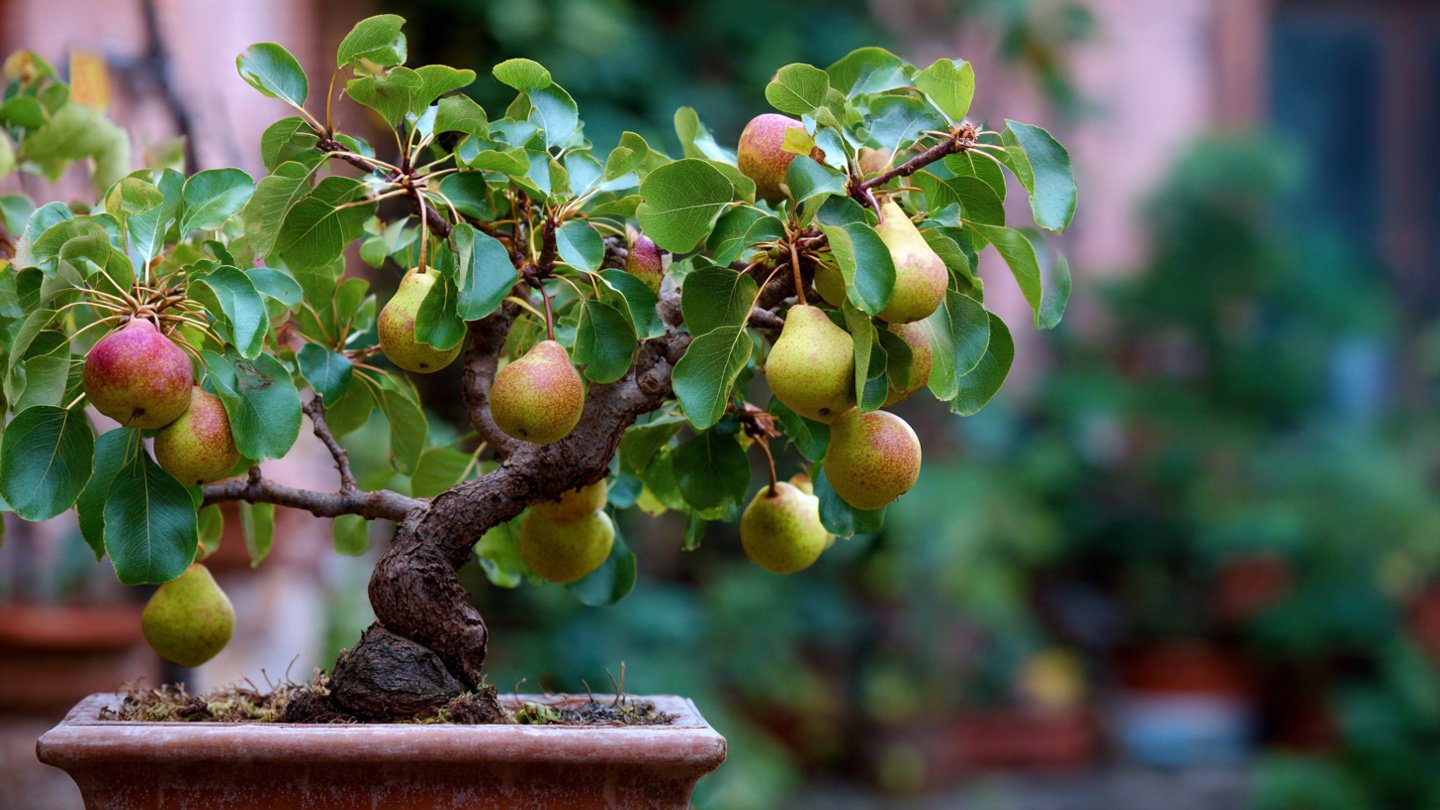
Growing your own fruit is one of gardening’s greatest pleasures—but what if you don’t have space for a sprawling orchard? Enter the miniature columnar pear tree: a compact, upright grower that delivers full-sized, juicy pears while taking up little more room than a large shrub.
These slim trees are changing how gardeners think about fruit growing. With the right care, they can thrive in small gardens, patios, balconies, and even containers. The secret isn’t magic—it’s understanding how columnar trees grow and giving them exactly what they need.
Let’s unlock the secrets to growing juicy pears on a miniature columnar tree, step by step.
What Is a Columnar Pear Tree?
A columnar pear tree is bred to grow vertically rather than spreading outward. Instead of wide branches, fruit forms on short spurs along a single central trunk. This growth habit makes the tree ideal for:
- Small gardens and courtyards
- Urban backyards
- Containers on patios or balconies
- Tight spaces along fences or walkways
Despite their size, columnar pear trees produce full-size fruit with the same flavor and texture as traditional pear trees.
Choosing the Right Variety
Success starts with the right tree. Not all pear varieties are suited to columnar growth.
Popular Columnar Pear Varieties
- ‘Decora’ – Sweet, juicy pears with reliable yields
- ‘Saphira’ – Crisp texture and excellent disease resistance
- ‘Obelisk’ – Compact growth with aromatic fruit
- ‘Garden Pearl’ – Ideal for containers and patios
When purchasing, look for trees specifically labeled as columnar or pillar pears. Standard pear trees trained upright won’t behave the same way.
Pollination Matters
Many pear trees require a pollination partner to produce fruit. Some columnar varieties are self-fertile, but yields improve significantly when a second compatible pear tree is nearby—even another columnar one.
If space allows, planting two different varieties is one of the best ways to boost fruit quality and quantity.
Finding the Perfect Spot
Sunlight is one of the biggest secrets to juicy pears.
Sun Requirements
Columnar pear trees need at least 6–8 hours of direct sunlight daily. More sun means:
- Sweeter fruit
- Better color
- Stronger growth
- Fewer disease issues
Choose a south- or west-facing location if possible. If growing in a container, don’t hesitate to move the tree to chase the sun.
Airflow and Protection
Good airflow helps prevent fungal diseases, but strong winds can stress a narrow tree. Place your pear where it gets gentle air circulation while being sheltered from harsh gusts.
Soil: The Foundation of Flavor
Healthy soil is non-negotiable when it comes to fruit quality.
Ideal Soil Conditions
- Well-draining soil
- Slightly acidic to neutral pH (6.0–7.0)
- Rich in organic matter
If planting in the ground, amend heavy soil with compost before planting. For containers, use a high-quality fruit tree potting mix rather than standard garden soil.
Drainage Is Key
Pears hate sitting in waterlogged soil. Poor drainage leads to weak roots, reduced fruiting, and bland flavor. Make sure pots have drainage holes and raised beds aren’t compacted.
Planting Your Columnar Pear Tree
Planting correctly sets the stage for years of success.
- Dig a hole twice as wide as the root ball
- Plant at the same depth as it was in the nursery
- Firm soil gently around the roots
- Water deeply after planting
Avoid burying the graft union (the slight bump near the base of the trunk). This ensures the tree maintains its dwarf, columnar habit.
Watering: The Balance That Makes Fruit Juicy
Consistent watering is one of the most overlooked secrets of pear growing.
How Much to Water
- Young trees: water deeply 1–2 times per week
- Established trees: water when the top few inches of soil dry out
Inconsistent watering leads to:
- Small or dry fruit
- Fruit drop
- Cracking during ripening
Container-grown trees need more frequent watering, especially during hot weather.
Feeding for Flavor, Not Just Growth
Overfeeding can be just as harmful as underfeeding.
Best Fertilizer Practices
- Use a balanced, slow-release fruit tree fertilizer in early spring
- Avoid high-nitrogen feeds after midsummer
- Supplement with compost annually
Too much nitrogen produces lots of leaves but fewer pears—and less flavor. The goal is steady growth, not rapid expansion.
Pruning: Less Is More
One of the joys of columnar pear trees is how little pruning they need.
Basic Pruning Rules
- Remove dead or damaged wood
- Trim side shoots back to 2–3 buds in summer
- Avoid heavy winter pruning
Pruning keeps the tree narrow and directs energy into fruit production rather than excessive growth.
Thinning Fruit for Bigger, Juicier Pears
This step feels counterintuitive—but it’s essential.
When your tree sets fruit, thin clusters so pears are spaced about 4–6 inches apart. This allows each fruit to receive enough nutrients and sunlight.
Benefits of thinning:
- Larger pears
- Better flavor
- Reduced branch stress
- More consistent annual harvests
Yes, you’ll remove some fruit early—but the remaining pears will be far superior.
Pest and Disease Management
Columnar pears are generally easy to manage, but staying alert makes a big difference.
Common Issues
- Aphids
- Pear scab
- Fire blight
Encourage beneficial insects, keep fallen leaves cleared, and avoid overhead watering. Healthy trees grown in good conditions are far more resistant to problems.
Growing Columnar Pears in Containers
This is where these trees truly shine.
Container Tips
- Choose a pot at least 18–24 inches wide
- Use a heavy container to prevent tipping
- Refresh soil every 2–3 years
- Protect roots in winter with insulation
Container pears may need more frequent feeding and watering, but the payoff is fresh fruit in the smallest spaces imaginable.
Harvesting at the Right Time
Pears don’t always ripen well on the tree.
Harvest when:
- Fruit lifts easily when tilted upward
- Color changes slightly from deep green
- Seeds inside are dark brown
Allow pears to finish ripening indoors for the best texture and sweetness.
The Final Secret: Patience
Columnar pear trees may produce some fruit early, but peak harvests usually come after 2–4 years. Each season improves as the tree establishes strong roots and balanced growth.
The reward? Crisp, juicy pears grown just steps from your kitchen—proof that you don’t need a large garden to grow exceptional fruit.
Final Thoughts
Unlocking the secrets to growing juicy pears on a miniature columnar tree is about working with the tree’s natural habits, not against them. Sun, soil, consistent care, and thoughtful pruning turn a slender trunk into a productive fruit powerhouse.
Whether planted in the ground or thriving in a container, columnar pear trees prove that small spaces can still deliver big flavor. With the right approach, your miniature tree can become one of the most rewarding plants you’ll ever grow—one pear at a time. 🍐🌱