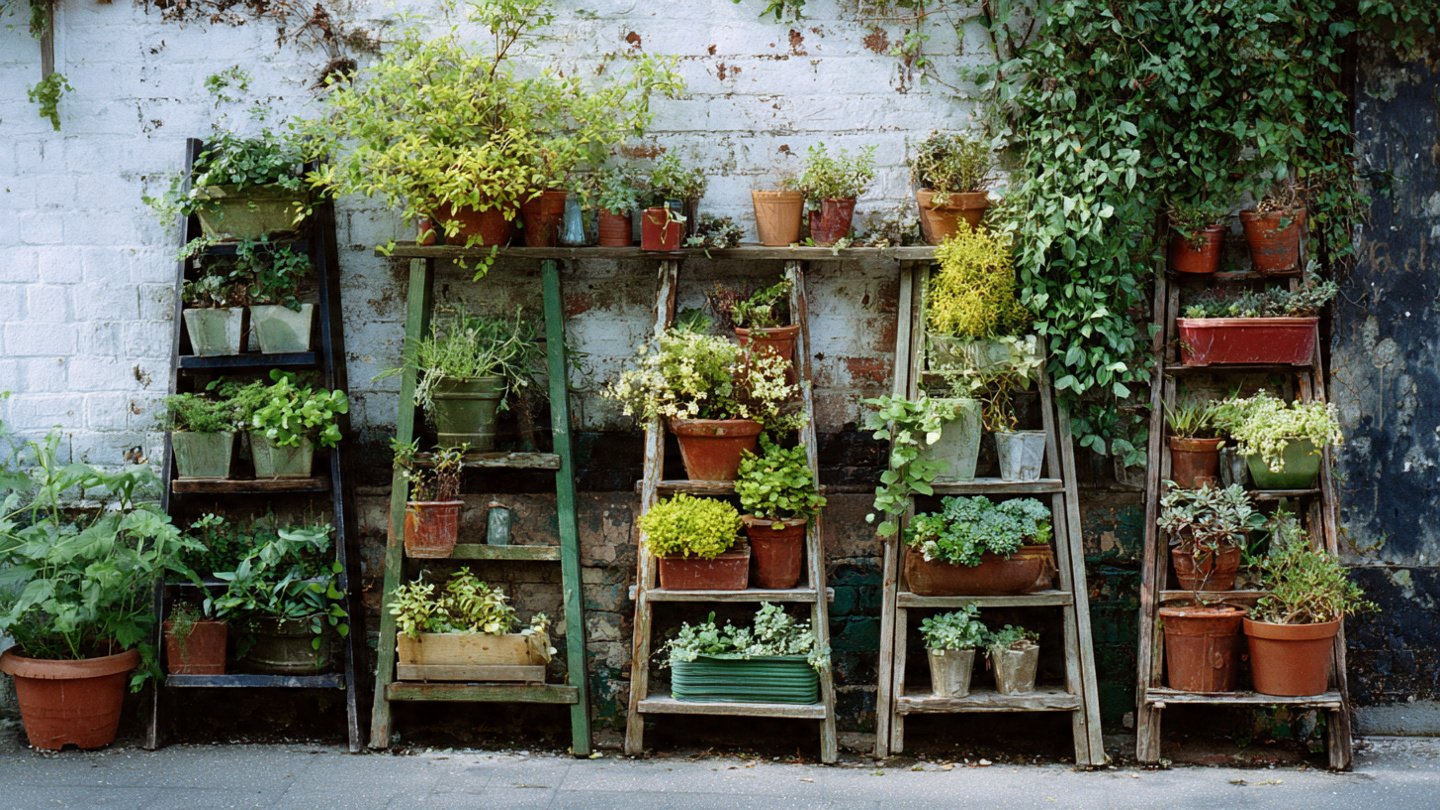
If you’re looking for a creative, budget-friendly way to showcase plants, repurposing old ladders into vertical gardens is one of the most charming solutions. This DIY trend combines upcycling, sustainable gardening, and eye-catching design to transform an unused ladder into a living, green display. Perfect for patios, balconies, backyards, or even indoor spaces, ladder gardens are both practical and whimsical.
In this guide, we’ll explore step-by-step tips, design ideas, and practical considerations for turning old ladders into stunning vertical garden displays that breathe life into any space.
Why Use Old Ladders for Vertical Gardening?
Vertical gardening is a solution for small spaces, offering both beauty and efficiency. Old ladders make excellent structures for this purpose because:
- They provide multiple tiers for plants, maximizing vertical space
- Wood or metal ladders are sturdy and can support pots and planters
- Upcycling ladders reduces waste and gives new life to forgotten furniture
- Their unique shape adds visual interest, creating a rustic or industrial vibe
Whether you have a simple wooden step ladder or an old extension ladder, the possibilities for creative gardening are endless.
Choosing the Right Ladder
Not every ladder is suitable for a vertical garden. Consider these factors when selecting one:
- Material: Wooden ladders are rustic and easier to customize, while metal ladders offer durability. Avoid ladders with significant rust or rot.
- Height and width: Taller ladders allow for more planting tiers, but ensure stability. Wider ladders can hold larger pots.
- Condition: Make sure the ladder can safely support the weight of plants, soil, and watering. Minor sanding or repainting can restore older ladders.
- Step style: Flat steps are ideal for placing pots directly, while rounded rungs may require additional trays or brackets.
A sturdy, well-sized ladder forms the foundation of a successful vertical garden.
Preparing Your Ladder for Gardening
Before adding plants, prepare your ladder to ensure longevity and safety:
- Clean the ladder: Remove dirt, dust, and loose paint. For metal ladders, remove rust with a wire brush.
- Sand and seal wood: Sand wooden ladders to smooth rough edges and apply a non-toxic, weatherproof sealant. This protects the wood from moisture.
- Paint for style: Use outdoor-friendly paint for a pop of color. Neutral shades work for rustic charm, while bold hues create a modern look.
- Stabilize the base: Ensure the ladder is balanced. For freestanding designs, use a broad base or secure it against a wall to prevent tipping.
Taking these steps makes your ladder garden safer, weather-resistant, and aesthetically appealing.
Selecting the Right Plants
The success of your ladder garden depends on choosing suitable plants. Consider:
- Sunlight: Determine if your ladder will be in full sun, partial shade, or indoors.
- Water needs: Group plants with similar watering requirements.
- Size: Use compact plants to prevent overcrowding.
Recommended plants include:
- Herbs: Basil, thyme, mint, parsley, and rosemary thrive in small containers.
- Flowers: Petunias, marigolds, pansies, and geraniums add color and texture.
- Succulents and cacti: Ideal for low-maintenance vertical gardens.
- Trailing plants: Ivy, string-of-pearls, or creeping jenny create cascading effects.
- Vegetables: Lettuce, cherry tomatoes, and radishes work well in shallow containers.
Mixing plant types can create a dynamic, visually engaging ladder garden.
Creative Planting Techniques
There are multiple ways to arrange plants on a ladder garden:
- Step Pots: Place small pots or planters directly on the steps. Use varied sizes for a layered look.
- Hanging Planters: Hang small baskets or jars from ladder rungs. This adds depth and movement.
- Tray Systems: Install shallow trays or wooden planks on steps to hold multiple plants. Ideal for herbs or succulents.
- Vertical Stack: Lean the ladder against a wall and allow trailing plants to cascade down.
- Tiered Display: Use a combination of flat and hanging pots to create a multi-dimensional garden.
These techniques let you adapt the ladder to your space and personal style.
DIY Additions to Enhance Your Ladder Garden
To make your ladder garden more functional and decorative, consider these enhancements:
- String lights: Wrap fairy lights around the ladder for a magical evening ambiance.
- Decorative hooks: Hang small garden tools, wind chimes, or ornaments.
- Plant labels: Use chalkboard tags or wooden labels for herbs and vegetables.
- Watering trays: Place trays under pots to catch excess water and prevent floor damage.
- Mini greenhouse covers: For delicate seedlings, add a small transparent cover to protect from wind or frost.
These additions combine aesthetics with practicality, elevating your vertical garden experience.
Positioning Your Ladder Garden
Where you place your ladder garden affects its growth and impact:
- Outdoor spaces: Patios, balconies, and garden corners benefit from vertical greenery and space-saving design.
- Indoor use: Near a sunny window or under grow lights for herbs and small houseplants.
- Against walls or fences: Provides extra stability and enhances visual appeal.
Rotate the ladder occasionally if plants receive uneven sunlight to ensure uniform growth.
Maintenance Tips
Even a low-maintenance ladder garden requires care:
- Water regularly: Ensure consistent moisture without overwatering. Use self-watering pots or capillary mats for efficiency.
- Fertilize periodically: Use liquid fertilizer for potted plants every 3–4 weeks to encourage growth.
- Prune and trim: Remove dead leaves, flowers, or overgrown vines to maintain shape and health.
- Pest control: Check for aphids or mites and treat with natural remedies or insecticidal soap.
- Clean and repaint: Outdoor ladders may need seasonal touch-ups to protect against weathering.
Regular attention ensures the ladder garden stays vibrant and productive.
Advantages of Ladder Vertical Gardens
Transforming old ladders into vertical gardens offers multiple benefits:
- Space-saving: Ideal for small yards, balconies, or indoor areas.
- Sustainable: Repurposes old furniture, reducing waste.
- Aesthetic appeal: Adds height, layers, and interest to any space.
- Flexible design: Easy to move or rearrange based on sunlight or decorative needs.
- Accessibility: Easier to water, prune, and harvest plants without bending.
Beyond functionality, ladder gardens create a visual centerpiece that showcases creativity and sustainability.
Common Mistakes to Avoid
Even seasoned DIYers can make mistakes when building ladder gardens. Watch out for:
- Overloading steps: Heavy pots can tip the ladder; distribute weight evenly.
- Neglecting drainage: Ensure pots have drainage holes to prevent root rot.
- Wrong plant placement: Place sun-loving plants where they get maximum light.
- Ignoring stability: Anchor tall ladders to walls if necessary to prevent accidents.
- Overcrowding: Allow room for plants to grow and air circulation to prevent disease.
By avoiding these errors, your ladder garden will remain safe, functional, and beautiful.
Inspiring Design Ideas
- Rustic garden ladder: Use an old wooden ladder with clay pots and trailing ivy for a countryside charm.
- Colorful urban garden: Paint the ladder in vibrant colors and mix flowering plants for city balconies.
- Succulent showcase: Place succulents in uniform pots on each step for a clean, modern look.
- Herb tower: Stack herb pots vertically for a practical kitchen garden.
- Miniature waterfall effect: Allow trailing plants like string-of-pearls to cascade over the steps, creating a “green waterfall.”
Creativity is your only limit when transforming ladders into living art.
Final Thoughts
Old ladders are more than just forgotten tools—they can become unique, charming, and eco-friendly vertical gardens. By selecting the right ladder, preparing it properly, choosing compatible plants, and applying creative planting techniques, you can turn a simple piece of furniture into a show-stopping living display.
Whether you’re a beginner gardener, a DIY enthusiast, or someone passionate about sustainability, ladder gardens offer a practical way to maximize space, reduce waste, and bring greenery into your home or outdoor area. With a bit of imagination and care, an old ladder can be transformed into a vibrant, multi-tiered garden that grows as beautifully as it inspires.
Repurposing ladders not only breathes life into your plants but also into your home, balcony, or garden space. With the right approach, you’ll have a vertical garden that’s both functional and visually stunning, proving that sometimes the simplest objects hold the greatest potential.