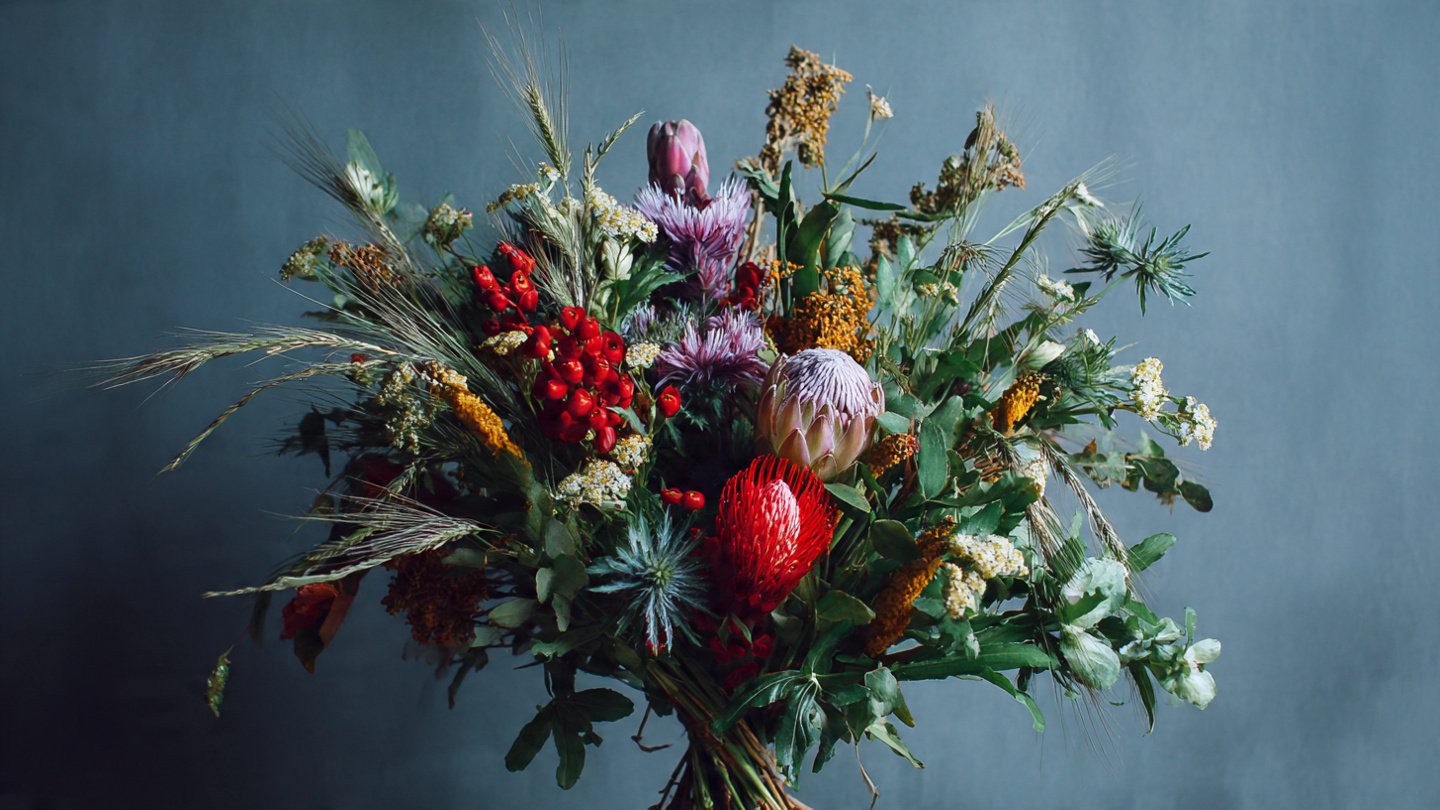
When you think of a beautiful bouquet, images of roses, lilies, or imported flowers probably come to mind. But what if the most stunning arrangement is already growing right outside your door—free, resilient, and wildly beautiful? Weeds and wild grasses, often dismissed as nuisances, can be transformed into breathtaking bouquets that feel natural, artistic, and deeply connected to the landscape.
Creating a bouquet from weeds and wild grass isn’t just a creative challenge—it’s a celebration of simplicity, sustainability, and nature’s overlooked beauty. With the right eye and a few basic techniques, you can craft an arrangement that looks intentional, elegant, and uniquely yours.
Why Choose Weeds and Wild Grass for Bouquets?
Using weeds and wild grasses is more than a trend—it’s a mindset shift.
The Benefits
- Completely free – no florist or garden center required
- Eco-friendly – no pesticides, transport, or packaging waste
- Seasonally authentic – reflects the real beauty of the moment
- Uniquely artistic – no two bouquets are ever the same
- Mindful and grounding – foraging encourages connection with nature
Wild bouquets feel relaxed and expressive, perfect for rustic decor, weddings, table centerpieces, or simple home styling.
Redefining “Weeds”
A weed is simply a plant growing where it’s not wanted. Many weeds have beautiful textures, colors, seed heads, and movement that rival cultivated flowers.
Common bouquet-worthy “weeds” include:
- Queen Anne’s lace
- Dandelions (flowers and seed heads)
- Clover
- Chickweed
- Lamb’s quarters
- Thistle (handle carefully)
- Wild mustard
- Plantain
- Yarrow
Wild grasses add structure, softness, and rhythm that elevate any arrangement.
Where and How to Forage Responsibly
Before gathering anything, forage with intention and respect.
Foraging Guidelines
- Avoid roadsides, sprayed lawns, and polluted areas
- Never take from protected land or private property
- Harvest lightly—never strip an area bare
- Leave roots intact when possible
- Choose healthy, pest-free plants
Early morning is the best time to forage, when plants are hydrated and fresh.
Understanding the Role of Each Plant
A well-balanced bouquet relies on variety, not abundance. Think in terms of roles rather than species.
1. Structural Elements
These provide height and framework:
- Tall grasses
- Seed heads
- Sturdy stems like dock or mullein
2. Focal Elements
These draw the eye:
- Queen Anne’s lace
- Clover clusters
- Wild mustard flowers
- Yarrow
3. Fillers
These soften and connect:
- Fine grasses
- Chickweed
- Ferny foliage
4. Texture and Movement
Adds interest and flow:
- Feathery seed heads
- Curly grass tips
- Wispy stems
A stunning bouquet balances all four.
Tools You’ll Need (Very Minimal)
- Sharp scissors or garden snips
- A bucket or jar of water
- Twine, ribbon, or string
- Optional: floral tape
That’s it—simplicity is part of the charm.
Step-by-Step: Crafting Your Wild Bouquet
Step 1: Condition Your Foraged Plants
Once gathered:
- Strip leaves that would sit below the water line
- Place stems in cool water
- Let them rest for 1–2 hours
This extends vase life and prevents wilting.
Step 2: Start with Structure
Begin with grasses and tall stems. Hold them loosely in your hand and let them cross naturally. Avoid symmetry—wild bouquets thrive on organic shapes.
Step 3: Add Focal Plants
Insert flowering weeds slightly lower than the tallest grasses. Rotate the bouquet as you work to ensure visual balance from all sides.
Step 4: Layer in Fillers
Use smaller leaves and finer grasses to fill gaps. These elements soften transitions and make the bouquet feel full without heaviness.
Step 5: Adjust and Edit
Step back. Remove anything that feels stiff, overpowering, or repetitive. Less is often more.
Step 6: Tie and Trim
Tie the bouquet with twine or ribbon where the stems naturally meet. Trim the bottoms evenly or leave them varied for a more natural look.
Color Palettes You’ll Find in the Wild
Nature offers subtle, sophisticated palettes if you know how to see them.
Soft Neutrals
- Beige grasses
- White flowers
- Pale green foliage
Earthy Tones
- Mustard yellow
- Dusty brown seed heads
- Olive greens
Late-Summer Drama
- Deep purples
- Rusty reds
- Smoky blues
Stick to one palette for the most polished result.
Using Wild Bouquets in Your Home
Wild bouquets work beautifully in many settings:
- Mason jars or ceramic pitchers
- Wooden tables and shelves
- Entryways and bedside tables
- Outdoor gatherings
- Seasonal displays
They pair especially well with natural materials like wood, linen, clay, and stone.
Drying Weeds and Grasses for Lasting Arrangements
Many wild plants dry beautifully.
Air-Drying Method
- Remove leaves
- Tie small bundles
- Hang upside down in a dark, dry space
Dried grasses and weeds are perfect for:
- Long-lasting decor
- Wreaths
- Wall arrangements
Seed heads and grasses often retain their shape for months.
Common Mistakes to Avoid
- Overcrowding the bouquet
- Using plants with very different water needs
- Ignoring scent (some weeds are strongly aromatic)
- Making it too symmetrical
- Skipping conditioning
Trust your instincts—wild arrangements are forgiving.
Why Wild Bouquets Feel So Special
There’s something deeply satisfying about transforming overlooked plants into art. Wild bouquets tell a story of place, season, and creativity. They don’t try to be perfect—and that’s exactly why they work.
They remind us that beauty doesn’t need to be purchased, curated, or imported. Sometimes it’s growing right under our feet, waiting to be noticed.
Final Thoughts
Crafting a stunning bouquet from weeds and wild grass is an invitation to slow down, observe, and reconnect with nature. With a bit of curiosity and creativity, ordinary plants become extraordinary expressions of natural beauty.
The next time you walk past a vacant lot, meadow, or garden edge, look again. Your next bouquet may already be there—free, fleeting, and perfectly imperfect.