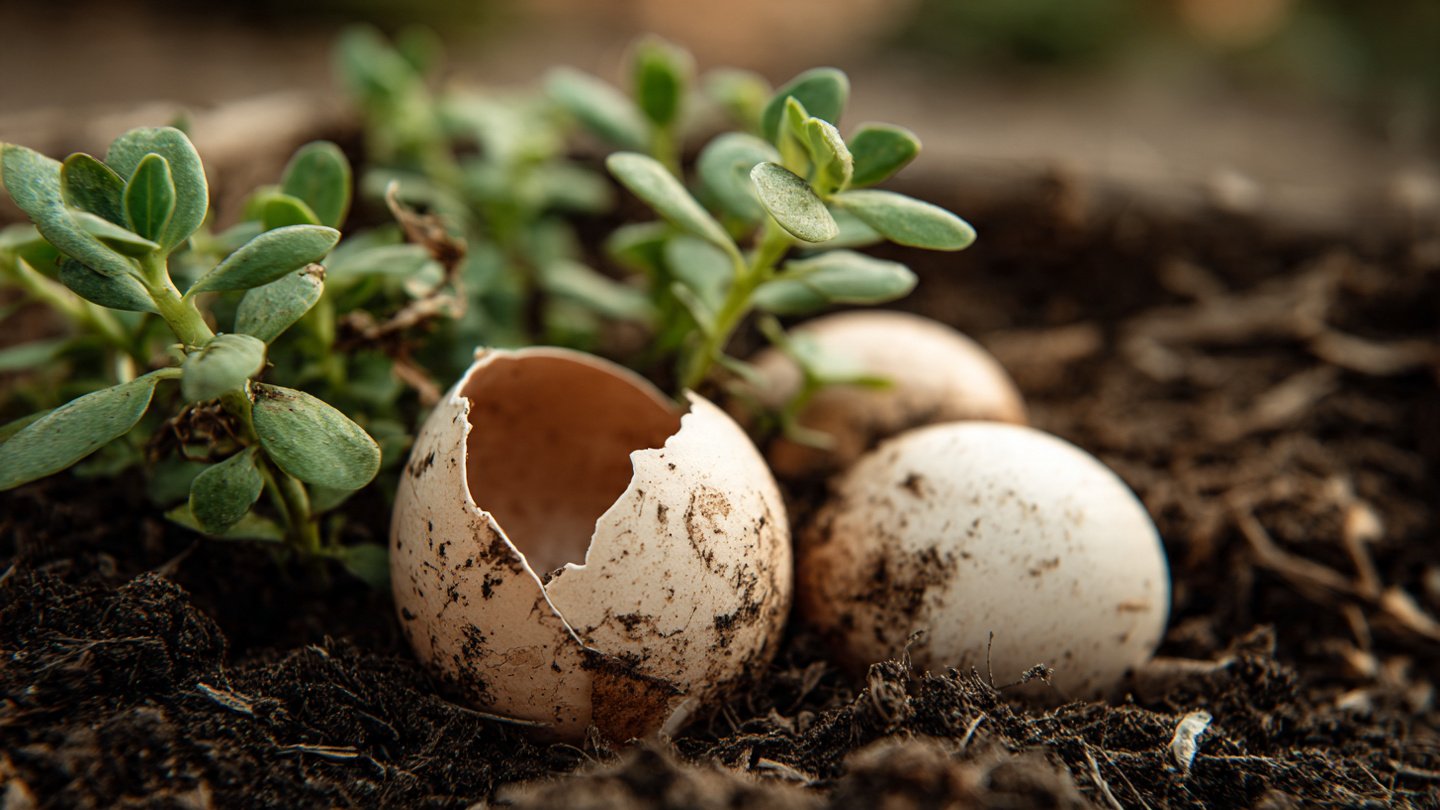
In the quest for healthier plants, richer soil, and higher yields, many gardeners overlook one of the most powerful natural resources hiding in plain sight—the humble eggshell. Often tossed into the trash, eggshells are actually a nutrient-rich, eco-friendly soil amendment that can dramatically improve vegetable garden health when used correctly.
From strengthening plant cell walls to deterring pests and improving soil structure, eggshells can truly transform your vegetable garden into a fertile paradise. Let’s explore how this everyday kitchen waste becomes a gardening powerhouse and how you can use it effectively.
Why Eggshells Are So Valuable for Gardens
Eggshells are composed of about 95% calcium carbonate, the same compound found in agricultural lime. Calcium is an essential nutrient for plant growth, playing a vital role in:
- Cell wall strength
- Root development
- Nutrient absorption
- Disease resistance
- Fruit formation
In addition to calcium, eggshells contain trace amounts of magnesium, phosphorus, potassium, and protein residues that nourish beneficial soil microbes.
Unlike synthetic fertilizers, eggshells release nutrients slowly, improving soil health over time without risking chemical burn.
The Role of Calcium in Vegetable Gardens
Calcium deficiency is one of the most common problems in home gardens, especially in tomatoes, peppers, eggplants, squash, and cucumbers.
Signs of Calcium Deficiency
- Blossom end rot in tomatoes and peppers
- Weak stems
- Poor root development
- Leaf curl or distortion
- Reduced fruit quality
Eggshells help prevent these issues by providing a steady, natural source of calcium that strengthens plants from the roots up.
How Eggshells Improve Soil Structure
Beyond nutrition, eggshells physically enhance the soil.
Soil Benefits of Eggshells
- Improve drainage in compacted soil
- Increase aeration
- Support beneficial microorganisms
- Balance soil pH in acidic soils
Crushed eggshells create tiny air pockets in the soil, improving oxygen flow to roots and encouraging microbial activity—key ingredients for fertile, living soil.
Vegetables That Benefit Most from Eggshells
While nearly all vegetables benefit from improved soil health, some crops respond especially well to eggshells:
- Tomatoes
- Peppers
- Eggplants
- Broccoli
- Cabbage
- Kale
- Spinach
- Lettuce
- Squash
- Cucumbers
- Beans
Root vegetables like carrots and beets also benefit from better soil structure and calcium availability.
How to Prepare Eggshells for Garden Use
To unlock their full potential, eggshells must be prepared properly.
Step 1: Clean the Eggshells
- Rinse shells thoroughly to remove egg residue
- This prevents odors and pest attraction
Step 2: Dry the Eggshells
- Air-dry for a few days
- Or bake at low heat (200°F / 90°C) for 10–15 minutes
Dry shells crush more easily and store longer.
Step 3: Crush or Grind
- Hand-crush for pest control and soil texture
- Grind into powder for faster calcium release
The finer the eggshells, the quicker plants can absorb the nutrients.
Ways to Use Eggshells in Your Vegetable Garden
1. Eggshell Powder as Soil Amendment
Finely ground eggshell powder works like a natural calcium supplement.
How to Use:
- Mix 1–2 tablespoons into planting holes
- Sprinkle around the base of plants
- Work into the top layer of soil
This method is ideal for tomatoes, peppers, and leafy greens.
2. Eggshells to Prevent Blossom End Rot
Blossom end rot occurs when calcium uptake is disrupted.
Best Practice:
- Add powdered eggshells to soil before planting
- Maintain consistent watering
- Combine eggshells with compost for balanced nutrition
Eggshells alone won’t fix watering issues, but they help ensure calcium availability.
3. Eggshell Tea for Liquid Feeding
Eggshell tea provides a mild calcium boost.
How to Make:
- Boil 10–15 clean eggshells in 1 liter of water
- Let steep overnight
- Strain and dilute with more water
- Apply to soil (not leaves)
This is useful for container-grown vegetables and quick nutrient support.
4. Natural Pest Control with Eggshells
Sharp eggshell fragments deter crawling pests.
Effective Against:
- Slugs
- Snails
- Cutworms
- Soft-bodied insects
How to Use:
- Crush shells into rough pieces
- Sprinkle around plant bases
- Reapply after rain
Eggshells create a physical barrier without harming beneficial insects or soil life.
5. Compost Booster
Eggshells are an excellent addition to compost piles.
Benefits in Compost:
- Add calcium to finished compost
- Help balance acidic food waste
- Improve compost structure
Crushing shells before composting speeds up decomposition.
Eggshells and Soil pH Balance
Eggshells help neutralize acidic soil, similar to garden lime but gentler.
Best For:
- Acidic soils
- Leafy greens
- Brassicas
- Tomato beds
However, eggshells are slow-acting. They work best as a long-term soil conditioner, not an emergency pH fix.
Using Eggshells in Container Vegetable Gardens
Container plants often suffer from nutrient depletion.
Tips for Containers:
- Mix eggshell powder into potting soil
- Add eggshell tea monthly
- Combine with organic compost
This helps prevent calcium-related issues common in potted tomatoes and peppers.
Common Mistakes to Avoid
Despite their benefits, eggshells must be used correctly.
Avoid These Mistakes:
- Adding whole eggshells without crushing
- Expecting instant results
- Using eggshells as the only fertilizer
- Applying excessively in alkaline soils
- Ignoring proper watering practices
Eggshells are a soil supplement, not a complete nutrient solution.
How Long Do Eggshells Take to Work?
Eggshells break down slowly.
Timeline:
- Powdered shells: 2–4 weeks for nutrient release
- Crushed shells: several months
- Compost-added shells: released gradually over seasons
For best results, use eggshells consistently as part of your long-term garden care routine.
Eggshells vs Chemical Calcium Supplements
| Feature | Eggshells | Chemical Calcium |
|---|---|---|
| Cost | Free | Expensive |
| Release speed | Slow, steady | Fast |
| Soil health | Improves structure | Neutral |
| Environmental impact | Eco-friendly | Synthetic |
| Risk of overuse | Low | Moderate |
Eggshells are ideal for gardeners seeking sustainable, organic solutions.
Creating a Fertile Paradise Naturally
When combined with compost, mulch, proper watering, and crop rotation, eggshells help build living soil—the foundation of a productive vegetable garden.
Long-Term Benefits:
- Healthier plants
- Stronger roots
- Fewer diseases
- Improved yields
- Reduced waste
Using eggshells closes the loop between kitchen and garden, turning waste into abundance.
Conclusion
Eggshells may seem insignificant, but in the garden, they are a quiet powerhouse. Rich in calcium, beneficial for soil structure, effective against pests, and completely free, eggshells offer an easy way to transform your vegetable garden into a fertile paradise.
By preparing them properly and using them wisely, you support stronger plants, healthier soil, and more abundant harvests—naturally and sustainably. Instead of throwing eggshells away, return them to the earth, where they belong.
Your vegetables will reward you with better growth, richer flavor, and greater resilience, proving that sometimes the simplest solutions are the most powerful. 🌱🥚