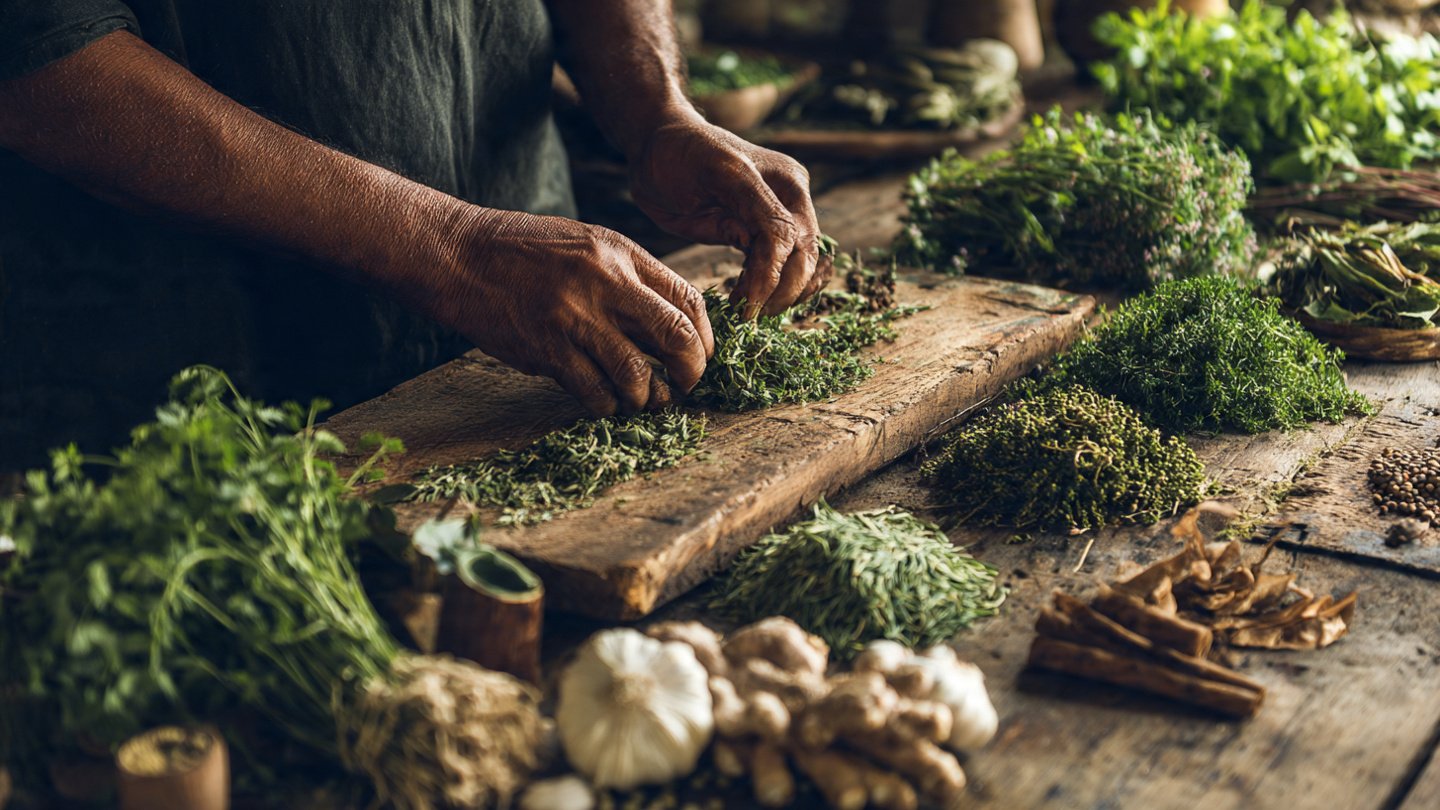
Imagine walking into your kitchen and plucking fresh basil, cilantro, or rosemary right from your own indoor garden. Transforming kitchen seeds into a thriving spice garden is not only possible—it’s surprisingly easy, sustainable, and incredibly rewarding. Whether you live in an apartment, have limited outdoor space, or simply want fresh flavors at your fingertips, creating a spice garden from seeds you already have is a smart and fun way to bring gardening into your home.
This guide will walk you through the process step by step, from selecting the right seeds to nurturing them into a lush, aromatic garden that elevates your cooking and your living space.
Why Grow a Spice Garden from Kitchen Seeds?
Many of us unknowingly throw away potential garden treasures each time we toss herb seeds from store-bought products. Kitchen seeds—whether from packaged herbs, vegetables, or dried spices—can be revitalized into living plants with proper care.
Benefits of Growing Your Own Spice Garden:
- Freshness and Flavor: Nothing compares to fresh herbs picked moments before cooking.
- Cost-Effective: Saves money on buying fresh herbs and spices at the store.
- Sustainability: Reduces waste by repurposing kitchen scraps and seeds.
- Therapeutic and Decorative: Gardening reduces stress and adds greenery to your home.
- Control Over Growth: Avoid pesticides and control soil quality for healthier plants.
Choosing Seeds for Your Spice Garden
Not all kitchen seeds will sprout successfully, so selecting the right seeds is crucial.
Ideal Seeds from Your Kitchen:
- Herbs: Basil, cilantro, parsley, thyme, oregano, chives, mint
- Spices: Coriander seeds (for cilantro), fennel seeds, mustard seeds, dill seeds
- Vegetables with Aromatic Uses: Chilli peppers, garlic, green onions
Tips for Seed Selection:
- Use fresh seeds: Older seeds have lower germination rates.
- Avoid seeds treated with chemicals or preservatives.
- For best results, separate viable seeds from those meant for dry spice consumption.
Some seeds may require pre-treatment, like soaking overnight (coriander, fennel, mustard) to soften the seed coat and encourage germination.
Preparing Containers and Soil
Your spice garden can grow indoors on a windowsill, balcony, or patio. The right containers and soil make a significant difference in plant health.
Containers:
- Small pots, seed trays, or recycled containers (like yogurt cups or plastic bottles)
- Ensure drainage holes to prevent waterlogging
- Consider using vertical containers for a compact kitchen setup
Soil:
- Use light, well-draining potting mix
- Avoid heavy garden soil that compacts easily
- Mix in compost or organic matter for extra nutrients
- pH level: Most herbs prefer slightly acidic to neutral soil (pH 6–7)
Good soil and containers ensure that your seeds develop strong roots and can thrive in indoor conditions.
Germinating Kitchen Seeds
Germination is the first step to transforming seeds into living plants.
General Germination Steps:
- Fill small containers with soil and moisten lightly.
- Plant seeds at the recommended depth (usually 2–3 times the seed size).
- Cover lightly with soil or vermiculite.
- Keep soil consistently moist, but not soggy.
- Place containers in a warm location (70–75°F) with indirect sunlight.
Seed-Specific Tips:
- Basil & Parsley: Sprinkle lightly on top of soil; do not bury deep.
- Coriander (Cilantro): Soak seeds overnight for faster sprouting.
- Chili Peppers: Require warmth; consider a seedling mat or sunny windowsill.
- Mint: Easy to propagate from seeds or even from cuttings.
Germination usually takes 7–14 days, depending on the plant species.
Transplanting Seedlings
Once seedlings develop 2–4 true leaves, they are ready for transplantation.
Transplanting Steps:
- Prepare larger pots or garden beds with rich, well-draining soil.
- Gently remove seedlings, keeping roots intact.
- Plant at the same depth they were in the seed tray.
- Water immediately after transplanting.
- Space plants adequately: 4–6 inches apart for herbs, 6–12 inches for larger spices.
Proper spacing ensures healthy growth and prevents overcrowding, which can lead to disease and poor airflow.
Lighting Requirements
Most kitchen herbs and spices thrive with 6–8 hours of light daily.
Options:
- South-facing windowsill: Best natural light indoors
- Grow lights: Useful for apartments with limited sunlight
- Rotate plants weekly for even growth
- For indoor gardens, fluorescent or LED grow lights work well
Light directly impacts plant vigor, leaf size, and flavor intensity.
Watering Techniques
Watering correctly is essential for strong, aromatic herbs and spices.
Tips:
- Keep soil evenly moist, but avoid waterlogging
- Water at the base of the plant, not leaves, to reduce fungal issues
- Use room-temperature water for best results
- Mulch with straw or coconut coir for soil moisture retention
Overwatering is a common mistake that leads to root rot, while under-watering can make plants weak and reduce flavor.
Fertilizing Your Kitchen Spice Garden
Indoor herbs may require occasional fertilization to remain productive.
Fertilizer Tips:
- Use organic, water-soluble fertilizer
- Fertilize every 2–3 weeks during active growth
- Avoid over-fertilizing, which can reduce aromatic oils in herbs
- Compost tea or diluted liquid fertilizer works well
Balanced nutrition ensures lush growth and flavorful leaves.
Maintaining a Healthy Spice Garden
Pruning and Harvesting:
- Regular pruning encourages bushier growth
- Remove flowers on herbs like basil to maintain leaf production
- Harvest leaves in the morning when aromatic oils are strongest
- Avoid removing more than one-third of a plant at a time
Pest Management:
- Keep indoor areas clean to prevent aphids, spider mites, or fungus
- Introduce natural predators or use neem oil sprays if necessary
- Avoid overwatering to reduce fungal growth
A well-maintained spice garden is productive, aromatic, and resilient.
Creative Ideas for Your Kitchen Spice Garden
- Tiered vertical planters: Save space and grow multiple varieties in one area.
- Mason jar windowsill garden: Small herbs in glass jars for an aesthetic touch.
- Hanging bottles or recycled containers: Perfect for limited counter space.
- Companion planting: Mix aromatic herbs to naturally deter pests.
Creative setups not only maximize growth but also make your kitchen lively and fragrant.
Benefits of Growing Your Own Spices
- Healthier Cooking: Freshly harvested herbs are more flavorful and nutrient-rich.
- Cost Savings: Store-bought herbs can be expensive and often spoil quickly.
- Educational: Learn about plant growth, germination, and care.
- Sustainability: Reduce packaging waste and carbon footprint.
- Therapeutic: Gardening is proven to reduce stress and enhance wellbeing.
Growing a spice garden transforms your kitchen into a living, sensory experience.
Common Mistakes to Avoid
- Using old or non-viable seeds
- Planting seeds too deep or too shallow
- Overcrowding seedlings
- Ignoring sunlight requirements
- Overwatering or under-watering
- Neglecting pruning and harvesting
Avoiding these pitfalls ensures a successful and thriving kitchen spice garden.
Final Thoughts
Transforming kitchen seeds into a thriving spice garden is a rewarding way to combine sustainability, creativity, and culinary delight. With careful seed selection, proper soil, adequate light, and consistent care, you can grow a vibrant indoor garden that supplies fresh herbs and spices year-round.
Not only does this practice reduce waste and save money, but it also brings the joy of gardening into your home and enhances every meal you prepare. Even with limited space, small efforts like a few pots on a windowsill or vertical planters on a balcony can create a flourishing spice haven that transforms your cooking and your lifestyle.
Growing a kitchen spice garden from seeds is more than gardening—it’s bringing life, flavor, and sustainability into your home.