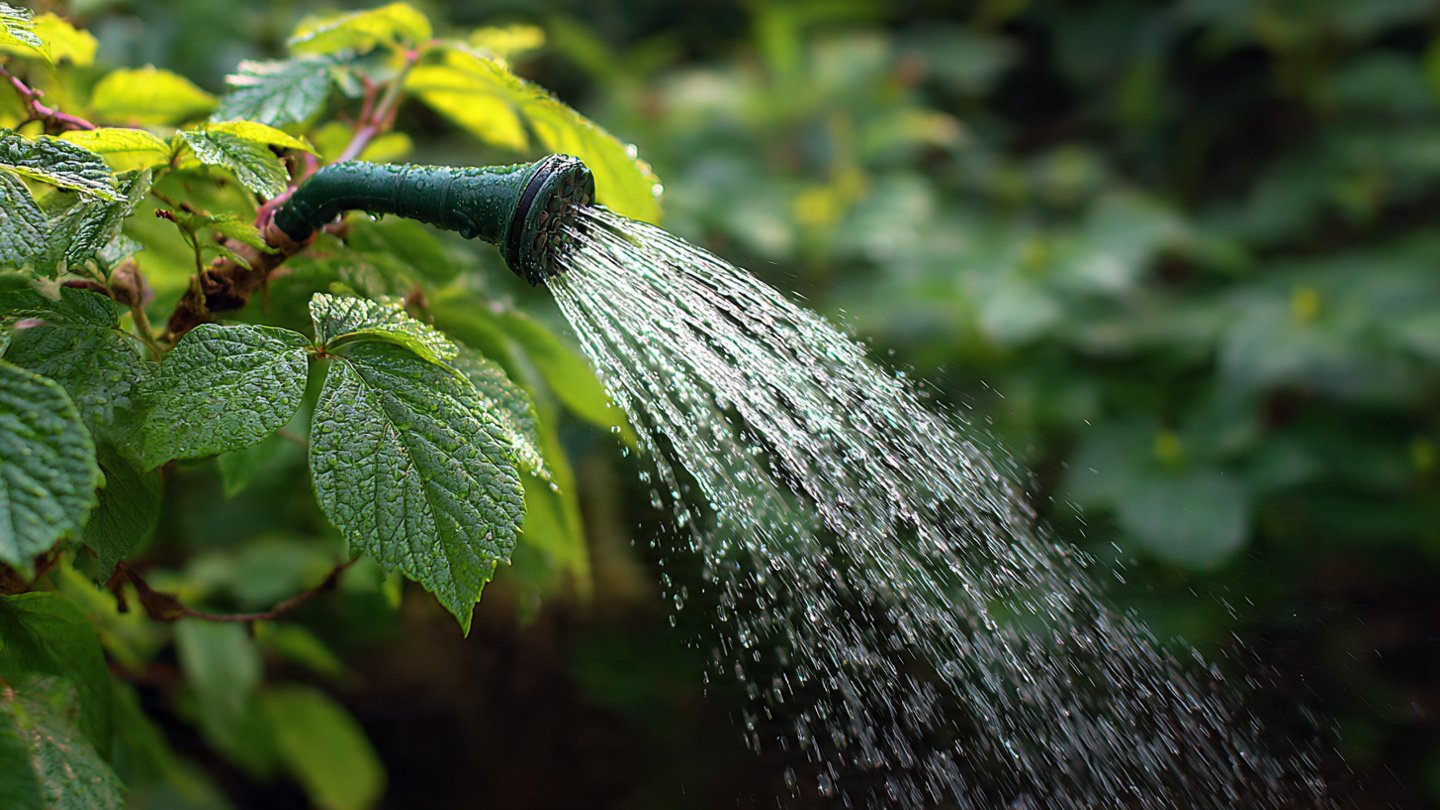
Healthy leaves are the most visible sign of a thriving plant. Their color, texture, size, and resilience tell a silent story about what’s happening beneath the soil. Among all plant care practices, watering habits play the most powerful role in determining leaf health—often more than fertilizer, sunlight, or pruning.
Many gardeners assume that watering is simple: give plants water when they look thirsty. In reality, how, when, and how much you water can dramatically influence leaf appearance and long-term plant vitality. From yellowing leaves to brown tips, curling edges, or sudden leaf drop, most foliage problems trace back to improper watering.
This article explores how watering habits affect leaf health, the signs of over- and underwatering, and how to develop smarter watering routines that support lush, vibrant foliage.
Why Water Is Critical for Leaf Health
Leaves depend on water for nearly every biological function. Water helps transport nutrients from the roots to the leaves, maintains internal pressure (turgor), regulates temperature through transpiration, and supports photosynthesis.
When watering habits are inconsistent or inappropriate, these processes break down, and leaves are the first to show stress.
Healthy leaves typically:
- Have a consistent, vibrant color
- Feel firm but flexible
- Grow evenly without deformities
- Remain attached during normal conditions
Unhealthy watering habits disrupt these traits quickly.
Underwatering and Its Impact on Leaves
Underwatering occurs when plants receive insufficient moisture to meet their physiological needs. This is common during hot weather, in fast-draining soil, or when watering schedules are irregular.
Common Leaf Symptoms of Underwatering
- Wilting or drooping leaves even when soil looks dry
- Crispy or brown leaf edges, especially on older leaves
- Leaf curling or rolling to reduce moisture loss
- Premature leaf drop as the plant conserves resources
- Dull or faded leaf color
Underwatered leaves lose internal pressure, causing cells to collapse slightly. Over time, chronic dehydration damages leaf tissue permanently, reducing the plant’s ability to photosynthesize effectively.
Overwatering and Leaf Damage
Overwatering is one of the most common—and misunderstood—causes of leaf problems. Many gardeners assume more water equals healthier plants, but excess moisture can suffocate roots and create the perfect environment for disease.
How Overwatering Harms Leaves
When soil remains constantly wet:
- Roots struggle to absorb oxygen
- Nutrient uptake becomes inefficient
- Root rot may develop
- Leaves receive fewer essential minerals
Leaf Symptoms of Overwatering
- Yellowing leaves, especially lower foliage
- Soft, limp leaves rather than crisp wilting
- Mushy or translucent leaf tissue
- Brown spots or blotches caused by fungal infections
- Sudden leaf drop, even when leaves appear green
Unlike underwatering, overwatering damage often worsens even after watering stops, because root systems take time to recover.
The Role of Watering Frequency
Watering frequency matters as much as water quantity. Plants prefer a consistent moisture cycle that mimics natural rainfall patterns rather than constant saturation or extreme dryness.
Infrequent, Deep Watering vs. Frequent, Shallow Watering
- Deep watering encourages roots to grow downward, leading to stronger plants and healthier leaves
- Shallow watering keeps roots near the surface, making leaves more vulnerable to heat stress and dehydration
Leaves supported by deep root systems tend to be thicker, more resilient, and less prone to curling or scorch.
Watering Time and Leaf Health
When you water can significantly influence leaf condition.
Morning Watering Benefits
- Allows leaves to dry quickly
- Reduces fungal disease risk
- Supports daytime photosynthesis
- Improves water absorption efficiency
Evening Watering Risks
- Leaves remain wet overnight
- Encourages mildew and leaf spot diseases
- Increases risk of rot in humid conditions
Wet leaves for extended periods can develop dark spots, yellow patches, or fuzzy mold growth—often mistaken for nutrient deficiencies.
Water Quality and Leaf Appearance
Not all water is equal. The quality of water used can subtly but steadily affect leaf health.
Hard Water Effects
Water high in minerals like calcium and magnesium can:
- Leave white residue on leaves
- Interfere with nutrient absorption
- Cause leaf tip burn over time
Chlorine and Chemical Sensitivity
Some plants, especially houseplants, react to chemicals in tap water with:
- Brown leaf tips
- Yellowing margins
- Slowed leaf growth
Allowing tap water to sit for 12–24 hours before use or using filtered water can significantly improve leaf appearance.
Soil Drainage and Its Influence on Leaves
Watering habits cannot be separated from soil conditions. Poor drainage causes water to linger around roots, even if watering amounts seem reasonable.
Signs Poor Drainage Is Affecting Leaves
- Yellowing despite reduced watering
- Leaf drop shortly after watering
- Persistent fungal leaf spots
- Stunted leaf growth
Well-draining soil allows roots to access both water and oxygen, resulting in thicker, healthier leaves with richer color.
Leaf Health and Seasonal Watering Changes
Plants’ water needs shift throughout the year, and failing to adjust watering habits seasonally often leads to leaf problems.
Summer
- Increased transpiration
- Higher water demand
- Risk of leaf scorch if watering is inconsistent
Winter
- Slower growth
- Reduced water uptake
- Overwatering causes yellow leaves and rot
Matching watering routines to seasonal growth cycles keeps leaves stable and prevents unnecessary stress.
Container Plants vs. In-Ground Plants
Leaves of container plants respond faster to watering mistakes because pots dry out more quickly and offer limited root space.
Container Leaf Stress Signs
- Rapid wilting
- Browning edges
- Yellowing after heavy watering
Consistent monitoring is crucial for potted plants, as leaf health can deteriorate within days of improper watering.
How to Develop Better Watering Habits for Healthier Leaves
To support vibrant foliage, adopt these practical watering strategies:
- Check soil moisture before watering, not just the calendar
- Water deeply but less frequently
- Ensure proper drainage in pots and garden beds
- Water at the base of plants, avoiding leaves
- Adjust watering based on season and weather
- Observe leaves regularly—they signal problems early
Leaves often recover quickly once watering habits improve, especially if damage hasn’t reached advanced stages.
Conclusion: Leaves Reflect Your Watering Choices
Leaf health is a direct reflection of how well watering practices align with a plant’s needs. From subtle color changes to dramatic wilting or drop, leaves communicate stress long before a plant fails completely.
By understanding how watering habits affect leaf health—and learning to read the signs—gardeners can prevent most foliage issues before they escalate. Consistent, mindful watering doesn’t just keep plants alive; it allows leaves to thrive, delivering the lush, vibrant beauty every garden aims for.
Healthy leaves begin with healthy watering habits. 🌱