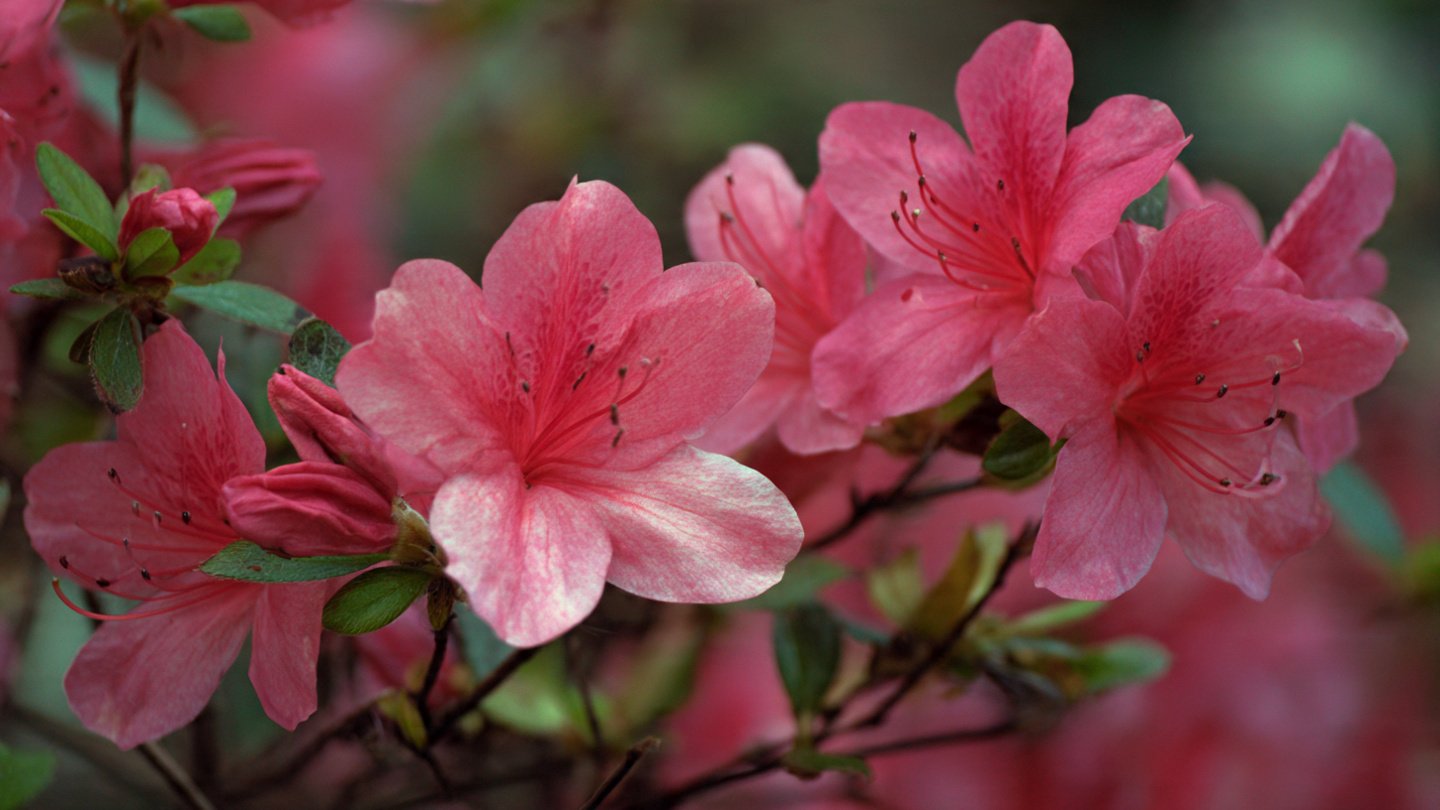
Azaleas are cherished for their lush green foliage and breathtaking spring blooms that light up gardens with vibrant color. So when these beloved shrubs begin shedding their leaves just as spring arrives, it can be alarming for any gardener. Leaf drop in azaleas is a common issue, but it’s also a clear signal that something in the plant’s environment or care routine isn’t quite right.
Understanding why azaleas lose their leaves in spring is the first step toward restoring their health and beauty. From weather stress and watering problems to pests and diseases, several factors can trigger this issue. This guide explores the most common causes of spring leaf drop in azaleas and explains what you can do to prevent it and help your plants recover.
Understanding Azalea Leaf Drop: Is It Always a Problem?
Before assuming the worst, it’s important to know that not all leaf loss is abnormal. Some azaleas naturally shed older leaves as new growth begins in spring. This mild, selective leaf drop—usually involving inner or older leaves—is part of normal growth.
However, if your azalea is losing large numbers of leaves, looks thin or bare, or drops both old and new leaves, the problem likely goes beyond natural shedding. In such cases, identifying the underlying cause is essential.
1. Winter Damage Revealed in Spring
One of the most common reasons azaleas shed leaves in spring is delayed winter damage.
How It Happens
During winter, cold temperatures, drying winds, and frozen soil can damage azalea roots and leaves. While the plant may look fine initially, the stress often becomes visible when spring growth begins.
Signs of Winter Damage
- Leaves turning brown or bronze before dropping
- Buds failing to open
- Stems that appear dry or brittle
What You Can Do
- Prune back damaged branches once new growth begins
- Apply mulch to protect roots and regulate soil temperature
- Plant azaleas in sheltered locations to reduce winter wind exposure
2. Water Stress: Too Much or Too Little
Improper watering is a major cause of spring leaf drop in azaleas.
Underwatering
Azaleas have shallow root systems, making them sensitive to dry soil. If they don’t receive enough water—especially after winter dormancy—leaves may drop rapidly.
Symptoms:
- Dry, curling leaves
- Leaf drop without yellowing
- Wilting during warm days
Overwatering
Excess water can be just as damaging. Waterlogged soil suffocates roots, leading to root rot and leaf loss.
Symptoms:
- Yellowing leaves before dropping
- Mushy or foul-smelling soil
- Poor new growth
Solution
- Water deeply but infrequently
- Ensure soil drains well
- Use mulch to maintain consistent moisture
3. Sudden Temperature Fluctuations
Spring weather can be unpredictable, and azaleas are sensitive to rapid temperature changes.
Why It Matters
A sudden warm spell followed by a frost can shock the plant. New growth is especially vulnerable, and damaged leaves often fall off soon after.
Signs
- Leaf drop shortly after a cold snap
- Blackened or wilted new shoots
Prevention Tips
- Cover azaleas with frost cloth during late frosts
- Avoid early fertilization that encourages premature growth
- Plant in locations protected from cold air pockets
4. Soil pH Problems
Azaleas are acid-loving plants, and soil pH plays a critical role in their health.
The Ideal pH
Azaleas prefer soil with a pH between 4.5 and 6.0. When the pH is too high (alkaline), the plant struggles to absorb essential nutrients.
Symptoms of Incorrect pH
- Yellow leaves with green veins (chlorosis)
- Weak growth
- Gradual leaf drop
How to Fix It
- Test your soil pH
- Amend soil with sulfur, pine needles, or peat moss
- Use fertilizers formulated for acid-loving plants
5. Nutrient Deficiencies
Spring is a time of active growth, and azaleas need proper nutrition to support new leaves and flowers.
Common Deficiencies
- Nitrogen deficiency: Pale leaves, slow growth
- Iron deficiency: Yellow leaves with green veins
- Magnesium deficiency: Leaf drop and poor vigor
Corrective Actions
- Apply a balanced fertilizer designed for azaleas
- Avoid overfertilizing, which can damage roots
- Feed after flowering, not before
6. Pests That Cause Leaf Drop
Several pests feed on azaleas and can cause leaves to drop in spring.
Common Culprits
- Azalea lace bugs: Cause speckled, pale leaves that drop prematurely
- Spider mites: Thrive in dry conditions, causing stippling and leaf loss
- Aphids: Suck sap from new growth, weakening the plant
Signs of Pest Damage
- Discolored or speckled leaves
- Sticky residue or fine webbing
- Leaves dropping despite adequate water
Control Methods
- Spray undersides of leaves with water regularly
- Use insecticidal soap or neem oil
- Encourage beneficial insects like ladybugs
7. Diseases That Trigger Leaf Shedding
Fungal diseases often emerge in cool, damp spring conditions and can lead to azalea leaf drop.
Common Diseases
- Phytophthora root rot: Causes sudden wilting and leaf drop
- Leaf gall: Results in distorted leaves that fall early
- Powdery mildew: Weakens leaves, leading to shedding
Prevention and Treatment
- Improve air circulation
- Avoid overhead watering
- Remove and destroy infected plant material
- Use fungicides only when necessary
8. Transplant Shock
If your azalea was recently planted or moved, it may experience transplant shock, which often appears as leaf drop in spring.
Why It Happens
Root disturbance limits the plant’s ability to absorb water and nutrients, causing stress.
Symptoms
- Sudden leaf drop after planting
- Drooping branches
- Slow recovery
Helping Your Plant Recover
- Water consistently
- Apply mulch to reduce stress
- Avoid fertilizing until new growth appears
9. Excessive Sun Exposure
Azaleas prefer partial shade, especially protection from harsh afternoon sun.
What Happens in Too Much Sun
- Leaves scorch, dry out, and fall
- Increased water stress
- Reduced flower quality
Solution
- Plant in dappled shade
- Use companion plants or structures for sun protection
- Increase watering during hot, dry periods
How to Help Azaleas Recover After Leaf Drop
If your azalea has already lost leaves, don’t panic—many plants can recover with proper care.
Recovery Steps
- Assess soil moisture and drainage
- Check for pests and disease
- Adjust soil pH if needed
- Prune dead or damaged branches
- Apply mulch and maintain consistent watering
With patience, healthy new growth often appears within weeks.
Preventing Spring Leaf Drop in the Future
The best way to avoid leaf shedding next spring is through preventive care:
- Plant azaleas in the right location
- Maintain acidic, well-draining soil
- Water consistently year-round
- Protect from extreme weather
- Monitor regularly for pests and diseases
Healthy azaleas are more resilient and far less likely to shed leaves unexpectedly.
Conclusion
Spring leaf drop in azaleas is a common issue, but it’s rarely mysterious once you understand the underlying causes. From winter damage and water stress to pests, soil problems, and weather fluctuations, azaleas respond quickly to environmental changes. The good news is that most causes are preventable and reversible with timely action.
By observing your plants closely, providing the right growing conditions, and responding early to signs of stress, you can keep your azaleas lush, leafy, and vibrant throughout spring and beyond. With the proper care, these stunning shrubs will reward you year after year with healthy foliage and unforgettable blooms—exactly as they’re meant to.