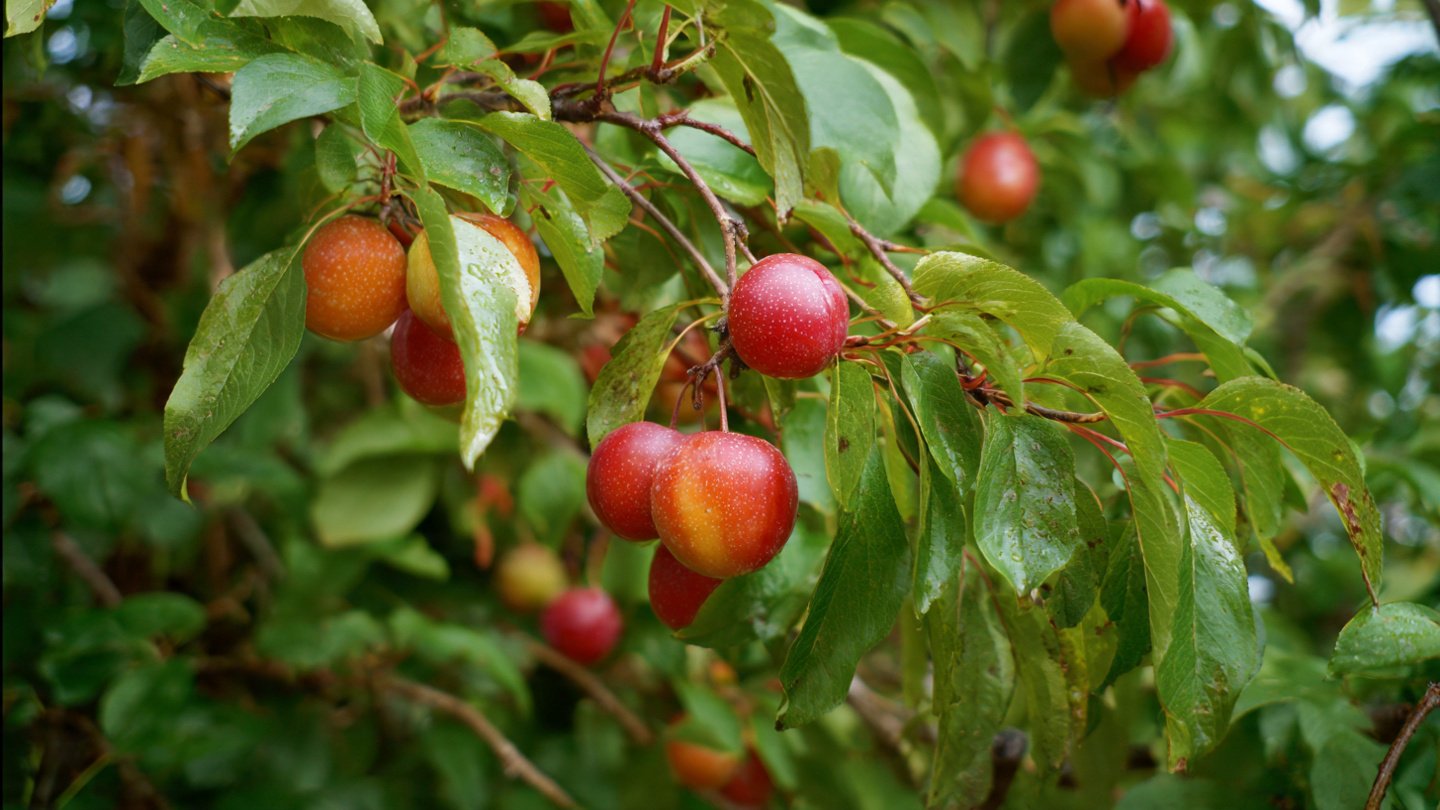
Few things are more frustrating for gardeners and home orchard owners than watching young fruits fall from trees long before harvest time. You nurture your fruit trees for months—watering, fertilizing, pruning—only to find immature fruits scattered on the ground. While early fruit drop can be alarming, it is actually a common issue with many fruit trees and often has understandable causes.
Understanding why fruit trees drop fruit early is the key to preventing it in future seasons. This guide explains the natural processes, environmental stressors, nutrient problems, pests, diseases, and management mistakes that cause premature fruit drop—and what you can do to stop it.
1. Natural Fruit Drop: The Tree’s Survival Strategy
One of the most common reasons fruit trees drop fruit early is completely natural.
June Drop Explained
Many fruit trees—such as apples, pears, peaches, plums, and citrus—produce more flowers and fruitlets than they can support. After flowering and initial fruit set, the tree performs a natural thinning process often called “June drop.”
During this period:
- The tree sheds excess fruit
- Resources are redirected to remaining fruits
- Overall fruit quality improves
This natural drop typically occurs 2–6 weeks after flowering and is not a sign of a problem unless the drop is excessive.
2. Poor Pollination and Fertilization Issues
Successful fruit development begins with proper pollination. If pollination is incomplete or unsuccessful, fruitlets will not develop properly and will eventually fall off.
Common Pollination Problems
- Lack of pollinators (bees, butterflies)
- Cold, rainy, or windy weather during bloom
- Incompatible varieties (some trees need cross-pollination)
- Excessive pesticide use harming pollinators
When flowers are only partially pollinated, the resulting fruits lack viable seeds, signaling the tree to abort them early.
3. Water Stress: Too Much or Too Little
Water imbalance is a major cause of premature fruit drop.
Drought Stress
When fruit trees experience drought:
- Roots cannot absorb enough nutrients
- Trees prioritize survival over reproduction
- Fruits are shed to conserve energy
Overwatering Problems
Too much water can be just as damaging:
- Roots suffocate due to lack of oxygen
- Root rot develops
- Nutrient uptake becomes inefficient
Both drought and waterlogging can trigger early fruit drop, especially during fruit enlargement stages.
4. Nutrient Deficiencies and Imbalances
Fruit trees require balanced nutrition to support fruit development. Deficiencies or excesses can disrupt hormonal signals responsible for holding fruit on the tree.
Key Nutrients Involved
- Nitrogen: Too little reduces growth; too much encourages leaf growth at the expense of fruit
- Potassium: Essential for fruit retention and size
- Calcium: Strengthens fruit tissue and attachment
- Magnesium & Boron: Support flowering and fruit set
Over-fertilizing with nitrogen is a common mistake that leads to lush foliage but weak fruit attachment, resulting in fruit drop.
5. Sudden Temperature Changes and Weather Extremes
Weather plays a significant role in fruit retention.
Temperature Stress
- Late spring frosts damage flowers and young fruits
- Heatwaves cause moisture stress
- Sudden temperature swings disrupt hormone balance
Wind Damage
Strong winds can:
- Physically knock fruits off
- Increase moisture loss
- Stress branches and fruit stems
Trees exposed to extreme or fluctuating weather conditions are more likely to shed fruit prematurely.
6. Pest Infestations Trigger Fruit Drop
Many insects attack developing fruits or the tissues that support them.
Common Culprits
- Fruit flies
- Codling moths
- Aphids
- Thrips
- Fruit borers
These pests:
- Damage fruit internally
- Weaken fruit stems
- Introduce infections
Trees often drop damaged fruit as a defense mechanism to limit further pest spread.
7. Diseases That Cause Early Fruit Drop
Several fungal and bacterial diseases lead to fruit abortion.
Common Diseases
- Fruit rot
- Anthracnose
- Apple scab
- Brown rot
- Citrus canker
Diseased fruits stop developing normally. The tree senses the problem and sheds the affected fruits to protect overall health.
8. Excessive Fruit Load and Weak Branch Support
When trees set too many fruits:
- Branches become stressed
- Nutrient competition increases
- Fruits remain small and weakly attached
Without proper thinning, trees may drop fruits naturally to balance their load. In extreme cases, branches may even break under excess weight.
9. Improper Pruning Practices
Pruning directly affects fruit retention.
How Poor Pruning Causes Fruit Drop
- Over-pruning removes fruit-bearing wood
- Poor timing disrupts flowering cycles
- Weak branch structure reduces fruit support
Incorrect pruning can also stimulate excessive vegetative growth, diverting energy away from fruit development.
10. Hormonal Imbalances in Fruit Trees
Fruit retention depends on plant hormones such as auxins, gibberellins, and cytokinins. Stress conditions—nutritional imbalance, water stress, pest attack—can disrupt these hormones.
When hormone levels drop:
- Fruit stems weaken
- Fruits detach prematurely
- Drop increases rapidly
Healthy growing conditions help maintain stable hormone levels and reduce fruit loss.
11. How to Prevent Early Fruit Drop
While some fruit drop is unavoidable, you can significantly reduce excessive loss with proper care.
Best Practices for Fruit Retention
- Water deeply and consistently
- Use mulch to regulate soil moisture
- Apply balanced fertilizers based on soil tests
- Encourage pollinators by planting flowers
- Avoid pesticide use during flowering
- Thin fruits manually when overloaded
- Protect trees from extreme weather
- Prune correctly and at the right time
Healthy trees are far less likely to drop fruit prematurely.
12. When Early Fruit Drop Is Actually Beneficial
Not all fruit drop is bad.
Benefits of Controlled Fruit Drop:
- Larger, better-tasting fruits
- Reduced branch breakage
- Improved tree longevity
- More consistent yearly harvests
In many cases, trees that self-thin naturally produce better-quality harvests later in the season.
Conclusion
Early fruit drop can be worrying, but it is often a combination of natural tree behavior and environmental stress factors rather than a serious problem. Understanding the reasons behind fruit drop—whether natural thinning, water stress, nutrient imbalance, pests, diseases, or weather extremes—empowers you to respond correctly.
By providing consistent care, maintaining soil health, supporting pollination, managing pests, and avoiding over-fertilization, you can dramatically reduce premature fruit loss. While some fruit drop is unavoidable and even beneficial, excessive drop is usually a sign that your tree needs better balance.
With patience, observation, and proper management, your fruit trees will reward you with healthier growth, stronger branches, and abundant harvests season after season.