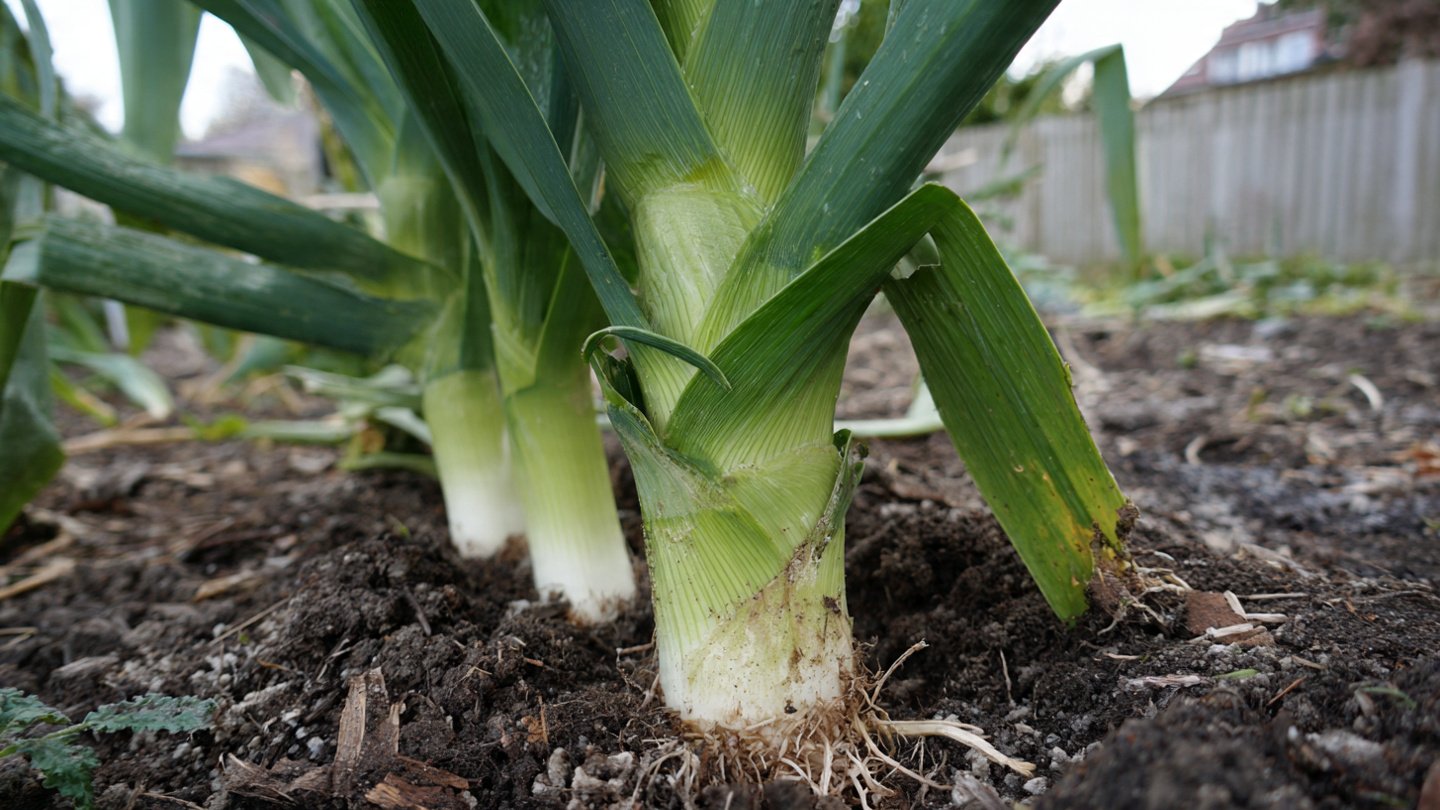
If you’ve ever admired the thick, snow-white stems of giant leeks at farmers’ markets or gardening shows, you might assume they’re only achievable by expert growers. The truth is much more encouraging. With the right variety, good soil preparation, and a few simple techniques, you can grow impressively large leeks right in your home garden.
Leeks are hardy, versatile, and surprisingly forgiving, making them ideal for both beginners and experienced gardeners. This step-by-step guide walks you through everything you need to know—from seed selection to harvest—so you can grow giant leeks that look as good as they taste.
Why Grow Giant Leeks?
Giant leeks aren’t just about size. Larger leeks usually mean:
- Thicker, tender white stems
- Sweeter, milder flavor
- Higher yields per plant
- Better value for space in the garden
They also store well, tolerate cold weather, and can stay in the ground for months, making them one of the most rewarding vegetables to grow.
Step 1: Choose the Right Leek Variety
Not all leeks are created equal. If your goal is size, variety selection is critical.
Best Varieties for Giant Leeks
- Musselburgh – A classic choice, thick stems and cold-hardy
- Giant Winter Leek – Slow-growing but excellent girth
- Bandit – Known for uniform size and strong stems
- American Flag – Reliable, adaptable, and beginner-friendly
Look for varieties described as “large,” “long-stemmed,” or “exhibition type” on the seed packet.
Step 2: Start Seeds Early
Giant leeks need a long growing season, so starting early is essential.
When to Sow
- Indoors: 8–10 weeks before the last frost
- Outdoors: Only in mild climates with long seasons
How to Sow Leek Seeds
- Fill seed trays or pots with fine seed compost.
- Sow seeds thinly, about ½ inch deep.
- Water gently and keep soil moist, not soggy.
- Place in a bright spot or under grow lights.
Leek seedlings resemble grass and grow slowly at first—this is normal.
Step 3: Prepare the Soil for Maximum Growth
Big leeks start with rich, deep soil. Shallow or compacted soil limits stem length and thickness.
Ideal Soil Conditions
- Depth: At least 12 inches
- Texture: Loose, well-drained
- pH: Slightly alkaline to neutral (6.5–7.5)
Soil Preparation Tips
- Dig deeply and remove stones.
- Add well-rotted compost or aged manure.
- Mix in organic matter to improve structure.
- Avoid fresh manure—it causes weak growth.
The better your soil, the bigger your leeks will grow.
Step 4: Transplant Seedlings Correctly
Transplanting is where many gardeners make mistakes. Done right, it’s a secret to giant leeks.
When to Transplant
- Seedlings should be about pencil-thick.
- Usually 8–10 weeks after sowing.
How to Transplant Leeks
- Trim roots to about 1 inch.
- Trim tops by one-third to reduce stress.
- Use a dibber or stick to make 6-inch-deep holes.
- Drop seedlings into holes without filling them in.
- Water well and let soil naturally collapse over time.
This technique encourages longer white stems.
Step 5: Space Plants Generously
Crowded leeks stay thin. Giant leeks need room.
Recommended Spacing
- Between plants: 6–8 inches
- Between rows: 12–18 inches
Generous spacing allows:
- Better air circulation
- Strong root development
- Thicker stems
If you’re growing exhibition-size leeks, give them even more space.
Step 6: Feed Regularly for Thick Stems
Leeks are heavy feeders. Consistent nutrition is essential for size.
Best Fertilizers for Leeks
- Compost tea
- Fish emulsion
- Balanced organic fertilizer (10-10-10 or similar)
Feeding Schedule
- Start feeding 2 weeks after transplanting.
- Feed every 2–3 weeks throughout the growing season.
Nitrogen promotes leafy growth, which directly supports stem development.
Step 7: Water Deeply and Consistently
Uneven watering leads to thin, tough leeks.
Watering Tips
- Water deeply once or twice a week.
- Keep soil consistently moist.
- Mulch to retain moisture and suppress weeds.
Dry spells slow growth and reduce stem size, so don’t let leeks dry out.
Step 8: Blanching for Long, White Stems
Blanching is the key technique behind those long, white leek stems.
How to Blanch Leeks
- Gradually mound soil around stems as they grow.
- Alternatively, use cardboard tubes or drainpipes.
- Blanch slowly to avoid rot.
Blanching blocks sunlight, keeping stems tender, white, and mild-flavored.
Step 9: Control Pests and Diseases Early
Leeks are generally tough, but a few issues can limit growth.
Common Problems
- Leek moth
- Onion fly
- Rust disease
Prevention Tips
- Rotate crops yearly.
- Use insect netting early.
- Remove infected plants immediately.
- Avoid overcrowding and overwatering.
Healthy plants grow bigger and faster.
Step 10: Be Patient—Leeks Love Time
Giant leeks are not a rush crop.
- Most varieties take 120–150 days to mature.
- Growth accelerates in cool weather.
- Leeks often bulk up dramatically in late summer and autumn.
Resist the urge to harvest too early.
Step 11: Harvest at the Right Moment
Timing matters if you want maximum size.
When to Harvest
- Stems should be thick, firm, and at least 1.5–2 inches wide.
- Harvest before stems become woody.
How to Harvest
- Loosen soil with a fork.
- Lift gently to avoid snapping roots.
- Trim roots and outer leaves.
Leeks can stay in the ground through winter in mild climates.
Extra Tips for Truly Giant Leeks
- Grow one leek per hole for maximum size.
- Remove weak plants early.
- Keep weeds under control.
- Choose slow-growing winter varieties.
- Improve soil every season.
Small improvements add up to massive results.
Final Thoughts
Growing giant leeks at home is a satisfying challenge that rewards patience and care. By choosing the right variety, enriching your soil, feeding consistently, and blanching properly, you can produce leeks that rival anything from the market—or even win garden competitions.
Best of all, leeks are forgiving. Even if conditions aren’t perfect, they’ll still grow. Follow this step-by-step guide, and you’ll be pulling up thick, snowy-white leeks that make every soup, pie, and roast dinner taste better.