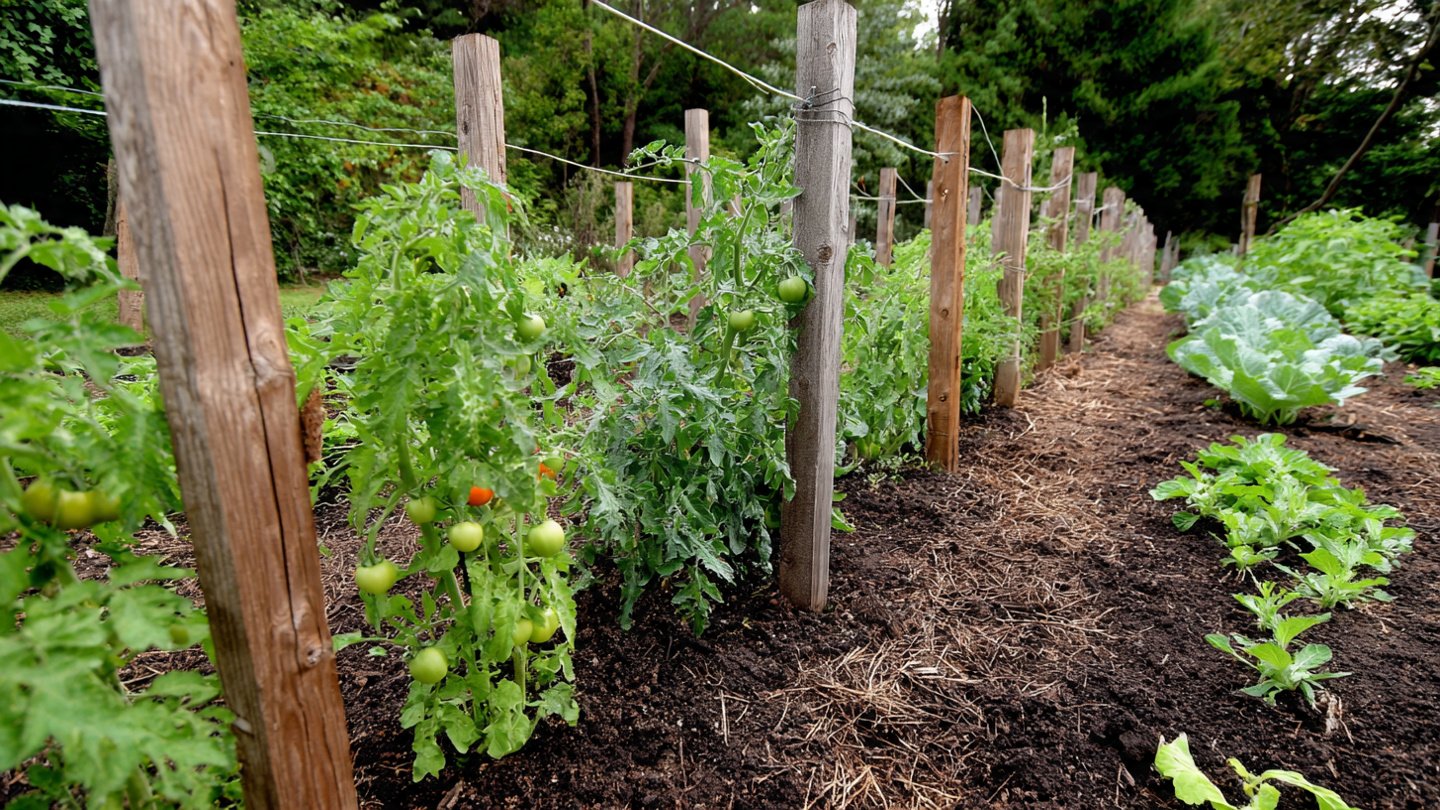
Wind is one of the most underestimated forces in the garden. While a gentle breeze can help strengthen plant stems and improve air circulation, persistent or strong winds often do far more harm than good—especially in vegetable gardens. This is where a windbreak becomes a powerful yet often overlooked gardening tool. Whether natural or man-made, a well-designed windbreak can dramatically improve vegetable garden growth, health, and productivity.
In this article, we’ll explore what windbreaks are, how they work, and why they can make such a noticeable difference in your vegetable garden.
What Is a Windbreak?
A windbreak is any barrier designed to reduce wind speed across a growing area. It can be made from living plants like hedges and shrubs or constructed materials such as fencing, netting, or panels. Unlike solid walls that completely block airflow, effective windbreaks partially filter wind, slowing it down while still allowing some air movement.
The goal isn’t to eliminate wind entirely, but to create a calmer microclimate where vegetables can grow without stress.
Why Wind Is a Problem for Vegetable Gardens
Before understanding how windbreaks help, it’s important to know why wind can be harmful to vegetables:
- Excessive moisture loss from soil and leaves
- Physical damage such as broken stems, torn leaves, or uprooted seedlings
- Poor pollination due to flowers being shaken or damaged
- Temperature stress, especially in cool or early-season gardens
- Reduced photosynthesis when leaves are constantly moving or damaged
Over time, these stresses result in slower growth, lower yields, and weaker plants overall.
How Windbreaks Improve Vegetable Garden Growth
1. Reduced Plant Stress and Damage
One of the most immediate benefits of a windbreak is physical protection. Vegetables like tomatoes, peppers, beans, and leafy greens have relatively soft stems and broad leaves that are easily damaged by strong winds.
By reducing wind speed, a windbreak helps:
- Prevent snapped stems and bruised leaves
- Protect flowers and developing fruit
- Reduce lodging (plants bending or falling over)
Healthier plant structures mean plants can focus their energy on growth and production rather than recovery.
2. Improved Soil Moisture Retention
Wind accelerates evaporation. In exposed gardens, soil dries out much faster, forcing gardeners to water more frequently and stressing plants between waterings.
Windbreaks slow down air movement at ground level, which:
- Reduces evaporation from the soil surface
- Keeps root zones consistently moist
- Improves water efficiency
This is especially important for shallow-rooted vegetables like lettuce, spinach, radishes, and onions.
3. Warmer Microclimate for Faster Growth
A sheltered garden often stays slightly warmer than an exposed one. Wind strips away heat from both soil and plant surfaces, lowering temperatures—particularly at night or during early spring.
With a windbreak in place:
- Soil warms up faster in spring
- Seed germination improves
- Young plants establish more quickly
- Frost risk is slightly reduced
Even a temperature difference of 1–2°C can significantly affect growth rates and early harvests.
4. Enhanced Photosynthesis and Leaf Health
Constant wind causes leaves to flutter and twist, which can reduce photosynthesis. Damaged or curled leaves also have less surface area to capture sunlight.
Windbreaks help by:
- Allowing leaves to remain still and properly oriented
- Preventing edge burn and tearing
- Supporting healthy, full leaf development
For leafy vegetables like kale, cabbage, chard, and herbs, this translates directly into better yields and appearance.
5. Better Pollination and Fruit Set
While some airflow is helpful for pollination, excessive wind can be counterproductive. Flowers may drop prematurely, pollen can be blown away, and pollinators may avoid windy areas.
A protected garden encourages:
- Stable flowers that stay open longer
- Increased pollinator activity
- Improved fruit set in crops like tomatoes, squash, cucumbers, and beans
The result is more consistent and abundant harvests.
6. Reduced Wind Chill and Transplant Shock
Young seedlings and transplants are especially vulnerable to wind. Strong gusts increase transpiration (water loss through leaves), often faster than roots can replace moisture.
Windbreaks reduce transplant shock by:
- Lowering wind chill
- Preventing excessive moisture loss
- Helping roots establish before facing harsher conditions
This is particularly useful when hardening off seedlings or planting early in the season.
Types of Windbreaks for Vegetable Gardens
Living Windbreaks
Living windbreaks are made from plants and offer long-term benefits.
Examples include:
- Hedges (privet, boxwood, hibiscus)
- Shrubs (elderberry, currant, blueberry)
- Tall grasses (bamboo, ornamental grasses)
- Rows of sunflowers or corn
Advantages:
- Improve biodiversity
- Provide habitat for beneficial insects
- Enhance garden aesthetics
- Last for many years
Disadvantages:
- Take time to establish
- May compete for water and nutrients if planted too close
Artificial Windbreaks
Artificial windbreaks provide instant protection and flexibility.
Examples include:
- Shade cloth or windbreak netting
- Wooden slat fencing
- Reed or bamboo screens
- Plastic garden mesh
Advantages:
- Immediate results
- Easy to install and remove
- Adjustable for seasonal needs
Disadvantages:
- May require maintenance
- Less visually natural
Proper Windbreak Placement Matters
For best results, placement is key.
- Position windbreaks perpendicular to prevailing winds
- Place them at a distance of 2–5 times their height from the protected area
- Avoid solid walls that create turbulence
- Ensure some airflow to prevent humidity-related diseases
A well-designed windbreak protects a surprisingly large area without blocking sunlight.
Common Mistakes to Avoid
- Blocking all airflow, leading to fungal diseases
- Placing windbreaks too close to crops
- Using solid materials that cause wind tunneling
- Ignoring seasonal wind patterns
Balance protection with ventilation for the healthiest garden environment.
Long-Term Benefits Beyond Growth
Beyond improved growth and yields, windbreaks offer additional advantages:
- Lower water usage
- Reduced soil erosion
- Improved garden comfort for the gardener
- More stable growing conditions year-round
Over time, these benefits compound, making gardening easier and more productive.
Final Thoughts
A windbreak is one of the simplest yet most impactful upgrades you can make to a vegetable garden. By reducing stress, conserving moisture, improving temperatures, and protecting delicate plants, windbreaks create a calmer, more supportive growing environment.
Whether you choose a living hedge, a temporary screen, or a creative DIY solution, the results are clear: healthier plants, stronger growth, and better harvests. If your vegetable garden struggles despite good soil and regular care, the missing piece might not be fertilizer or water—it might just be protection from the wind.