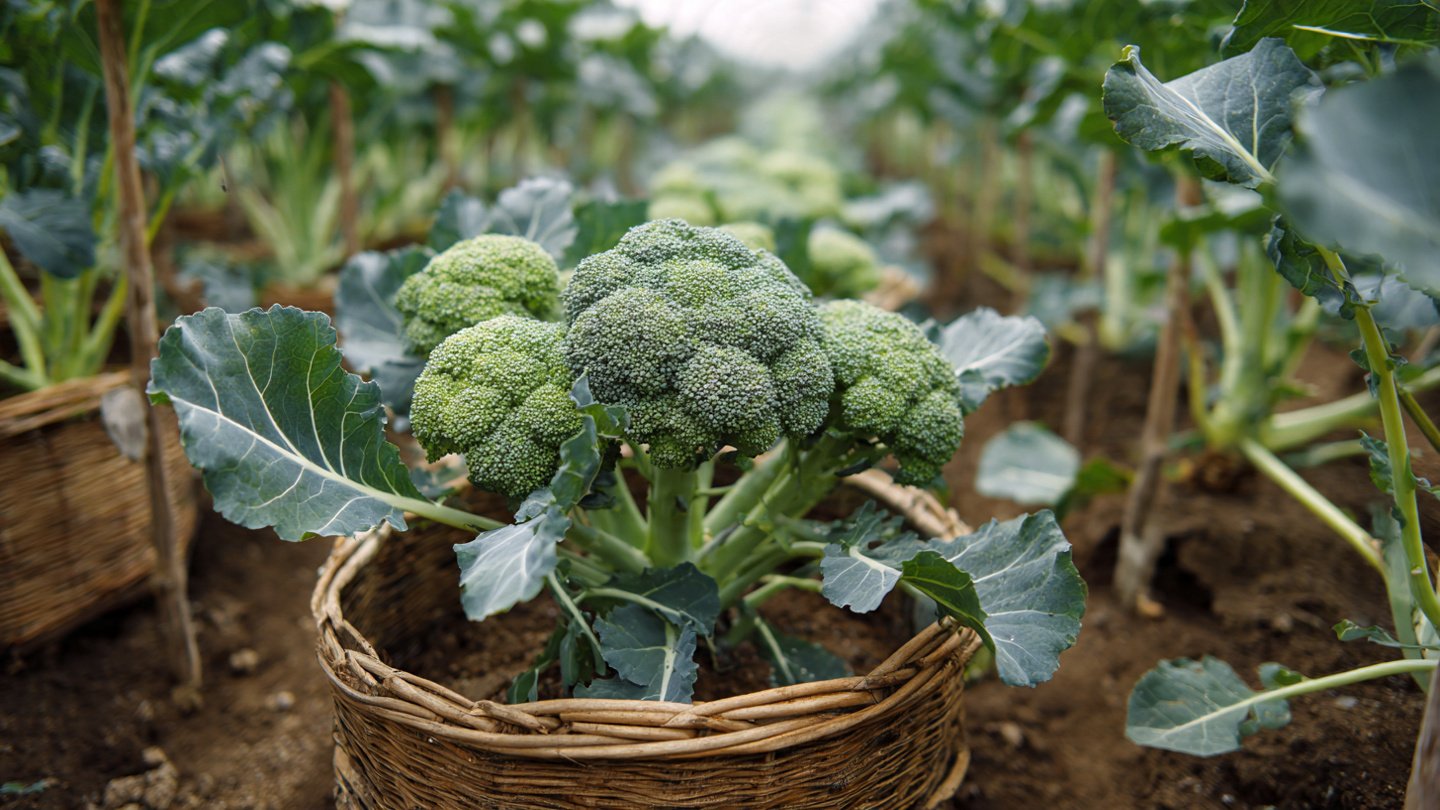
Growing broccoli doesn’t require a big backyard or raised beds. With a simple 5-gallon bucket, you can harvest crisp, homegrown broccoli right from your balcony, patio, rooftop, or small garden corner. Container-grown broccoli is surprisingly productive, beginner-friendly, and perfect for anyone short on space.
This guide walks you through everything you need to know, step by step—from choosing the right bucket to harvesting tight, flavorful heads—so you can grow broccoli successfully in 5-gallon buckets.
Why Grow Broccoli in 5-Gallon Buckets?
Broccoli is a cool-season crop with a compact root system, making it ideal for container growing. A 5-gallon bucket provides enough depth and width for healthy root development while remaining easy to move and manage.
Benefits of bucket-grown broccoli
- Ideal for small spaces (balconies, patios, rooftops)
- Better control over soil quality and moisture
- Fewer pest and disease problems
- Portable—easy to move into shade or sun
- Great option for beginners
If you can grow tomatoes in containers, you can absolutely grow broccoli too.
What You’ll Need to Get Started
Before planting, gather the basics. You don’t need fancy tools—just a few essentials.
Supplies checklist
- 5-gallon bucket (food-grade preferred)
- Drill or sharp tool for drainage holes
- High-quality potting mix
- Compost or aged manure
- Broccoli seeds or seedlings
- Mulch (straw, dried leaves, or coco coir)
- Balanced fertilizer (organic or slow-release)
Choosing the Right Broccoli Variety
Not all broccoli varieties perform equally well in containers. Look for compact or fast-maturing types.
Best broccoli varieties for buckets
- Calabrese – Classic, reliable, and productive
- Green Magic – Heat-tolerant and container-friendly
- Belstar – Uniform heads and strong side shoots
- De Cicco – Smaller heads but continuous harvest
Avoid giant hybrid varieties bred for large farm production—they can outgrow containers.
Preparing Your 5-Gallon Bucket
Proper preparation is the foundation of success.
Step 1: Add drainage holes
Drill 8–12 holes at the bottom and a few along the lower sides. Broccoli hates soggy roots, so drainage is critical.
Step 2: Improve airflow
Place the bucket on bricks or pot feet to lift it slightly off the ground. This prevents water buildup and root rot.
Step 3: Clean the bucket
If reused, wash thoroughly with mild soap and rinse well—especially if it previously held chemicals.
The Perfect Soil Mix for Broccoli
Broccoli is a heavy feeder, so soil quality matters more than anything.
Ideal container soil mix
- 60% high-quality potting mix
- 30% compost or well-rotted manure
- 10% perlite or coarse sand for drainage
The soil should be:
- Loose and airy
- Rich in organic matter
- Slightly acidic to neutral (pH 6.0–7.0)
Fill the bucket to about 2 inches below the rim to leave space for watering.
Planting Broccoli in Buckets
You can start broccoli from seed or transplant seedlings. Both work well in containers.
Option 1: Starting from seeds
- Sow seeds ¼ inch deep
- Plant 2–3 seeds per bucket
- Keep soil moist until germination (5–10 days)
- Thin to the strongest seedling once true leaves appear
Option 2: Transplanting seedlings
- Plant one broccoli seedling per 5-gallon bucket
- Bury the stem slightly deeper than it was in its original pot
- Firm soil gently around the base
Water thoroughly after planting.
Sunlight Requirements
Broccoli thrives with 6–8 hours of direct sunlight daily.
Tips for hot climates
- Morning sun + afternoon shade works best
- Use light-colored buckets to prevent overheating
- Move buckets if temperatures exceed 30°C (86°F)
Broccoli can tolerate cool weather but struggles in extreme heat.
Watering: The Make-or-Break Factor
Consistent moisture is essential for forming tight, flavorful heads.
Watering guidelines
- Water deeply until it drains from the bottom
- Keep soil evenly moist—not soggy
- Check moisture daily during warm weather
Irregular watering causes:
- Small heads
- Bitter flavor
- Premature flowering (bolting)
Adding mulch helps retain moisture and stabilize soil temperature.
Feeding Your Broccoli Plants
Broccoli is a nutrient-hungry crop and needs regular feeding in containers.
Fertilizer schedule
- At planting: Mix compost into soil
- After 2–3 weeks: Apply balanced fertilizer (10-10-10 or organic equivalent)
- When head begins forming: Add nitrogen-rich feed (fish emulsion or compost tea)
Avoid overfertilizing—it can cause leafy growth with small heads.
Common Problems and How to Fix Them
Yellowing leaves
- Cause: Nitrogen deficiency or overwatering
- Fix: Feed lightly and improve drainage
Small or loose heads
- Cause: Heat stress or inconsistent watering
- Fix: Move bucket to cooler location and water consistently
Pests (aphids, cabbage worms)
- Spray neem oil or insecticidal soap
- Hand-pick caterpillars
- Cover plants with insect netting if needed
Containers already reduce pest pressure compared to ground planting.
Supporting the Plant
Broccoli plants can become top-heavy once heads form.
- Use a small stake if needed
- Keep buckets sheltered from strong winds
- Rotate the bucket weekly for even growth
Harvesting Broccoli the Right Way
This is the most satisfying part.
When to harvest
- Heads should be tight and firm
- Florets should be dark green
- Harvest before yellow flowers appear
How to harvest
- Cut the main head with a sharp knife
- Leave the plant intact
Most varieties will produce side shoots after the main head is harvested, giving you multiple harvests from one bucket.
How Long Does Broccoli Take to Grow?
- From seed: 70–100 days
- From transplants: 55–75 days
Cool temperatures slow growth but improve flavor.
Can You Grow Broccoli Year-Round in Buckets?
In mild climates, yes.
- Grow in fall, winter, and early spring
- Avoid peak summer heat unless growing heat-tolerant varieties
- Buckets make seasonal adjustments easy—just move them
Final Thoughts: Is Bucket-Grown Broccoli Worth It?
Absolutely. Growing broccoli in 5-gallon buckets is:
- Space-efficient
- Cost-effective
- Beginner-friendly
- Surprisingly productive
With good soil, steady watering, and a little patience, you can enjoy fresh, crunchy broccoli grown entirely in containers—no garden bed required.
If you want, I can also:
- Create a quick printable checklist
- Write a “common mistakes to avoid” companion article
- Adapt this guide for hot or cold climates specifically