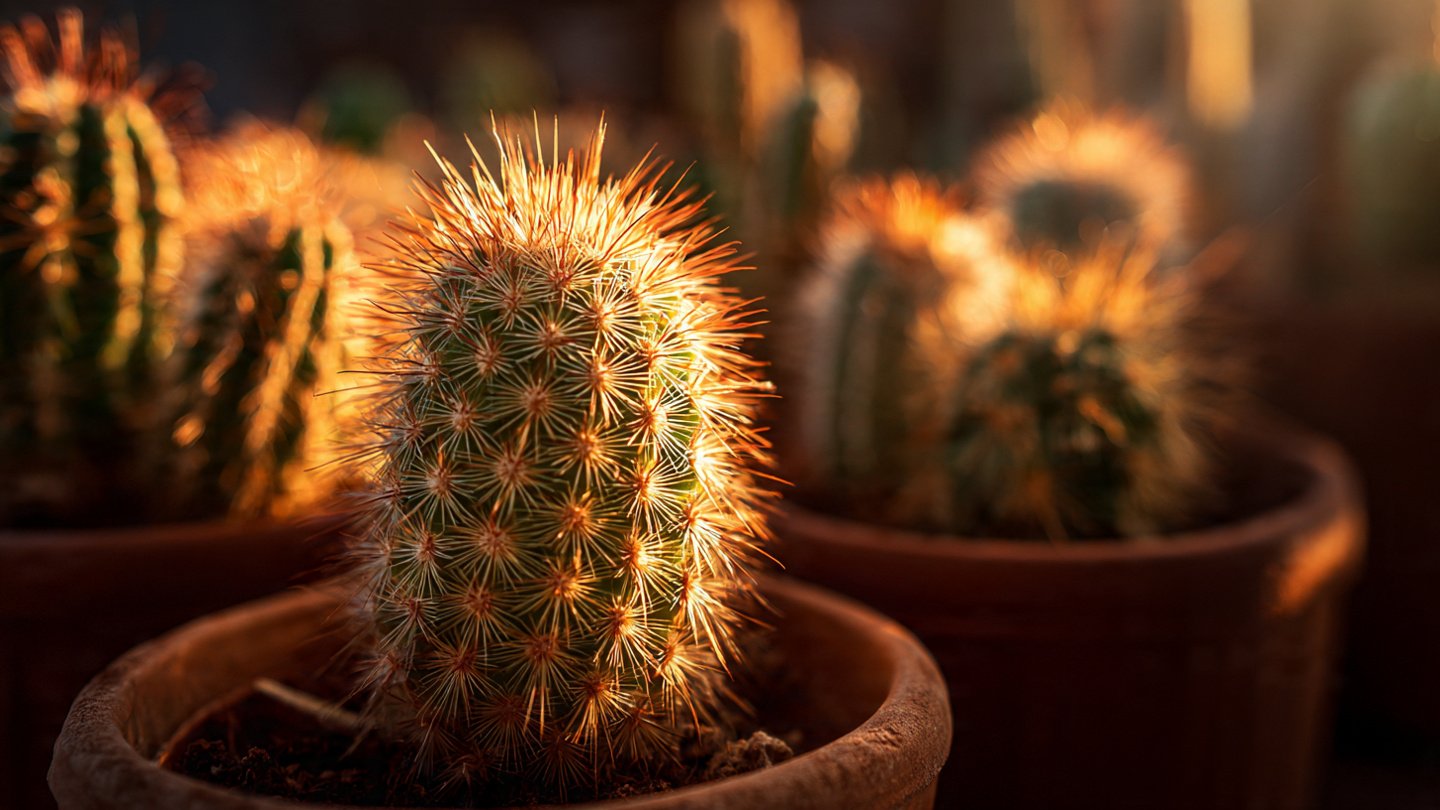
Cacti are the poster children of low-maintenance plants. With their unique shapes, vibrant flowers, and ability to thrive in dry conditions, they’ve become a favorite among indoor plant enthusiasts and desert gardeners alike. However, despite their reputation as hardy survivors, cacti require a little more attention than simply “watering whenever you remember.” One of the most critical aspects of their care is understanding their natural growth cycle—particularly during winter. If you’re still watering your cactus during the cold months, it’s time to reconsider. Here’s why stopping winter watering is essential for the health and longevity of your cactus.
Understanding the Cactus Growth Cycle
Cacti are succulents adapted to arid environments with long periods of drought and intense sunlight. Their survival strategy relies heavily on conserving water and growing only when conditions are favorable. In the wild, most cacti experience a dormant period during the colder months when temperatures drop, and sunlight is limited. During this time, their metabolic processes slow down significantly.
Watering during this dormancy period can do more harm than good. While it may seem counterintuitive, overwatering a cactus in winter is a leading cause of root rot and fungal infections. Essentially, you are giving a plant that is not actively growing the resources it cannot effectively use. Understanding this natural cycle is the first step in successful winter cactus care.
The Risks of Watering Cactus in Winter
1. Root Rot
Root rot is the most common consequence of watering cacti during dormancy. Cactus roots are designed to absorb moisture slowly over time. In winter, their uptake capacity is drastically reduced. Excess water sits in the soil, creating a damp environment that promotes fungal growth. Soft, blackened roots are a sign of root rot, and if not addressed, it can lead to the death of the cactus. Unlike tropical plants that thrive in moist soil, cacti need dry conditions to survive the winter months.
2. Fungal Infections
Fungi thrive in cold, wet conditions. Overwatering during winter creates the perfect breeding ground for fungal pathogens. Fungal infections often start at the base of the cactus, causing discoloration and weakening the plant. Common symptoms include yellowing or translucent skin, black spots, or a mushy texture. Once a fungal infection takes hold, it can spread quickly, making it difficult to save your cactus.
3. Stunted Growth and Stress
Even if overwatering doesn’t immediately kill your cactus, it can cause significant stress. Plants that receive too much water in winter may experience stunted growth or fail to bloom during the growing season. Stress weakens the cactus, making it more susceptible to pests and disease when spring arrives.
How Cacti Survive Winter
Cacti are masters of survival in extreme conditions. During winter, many species enter a state of dormancy to conserve energy. Their cellular processes slow, and they rely on stored water within their tissues rather than external sources. This means that they are perfectly equipped to survive weeks or even months without water.
Many indoor gardeners fail to replicate the natural environment of their cacti, leading to overwatering and poor plant health. Recognizing that your cactus is in a dormant phase is crucial. During this time, the plant may appear slightly shriveled or dull in color—but this is entirely normal and not a sign of dehydration.
Signs Your Cactus Needs Less Water
Even though most cacti do not need water in winter, it’s important to know the signs that indicate your plant is receiving too much moisture:
- Soft or Mushy Skin: If the cactus feels soft when you gently press it, this is a warning sign of overwatering.
- Discoloration: Yellow, brown, or translucent patches indicate water stress or fungal infection.
- Odor: A foul, musty smell often signals root rot.
- Swelling or Cracking: Overhydration can cause the cactus to expand too quickly, leading to cracking.
If you notice any of these symptoms, it’s crucial to adjust your care routine immediately. Stop watering, remove any affected parts if necessary, and allow the soil to dry out completely.
Best Practices for Winter Cactus Care
Even if watering is reduced or eliminated, your cactus still requires proper care during winter. Here are some tips to keep your plant healthy throughout the colder months:
1. Adjust Light Exposure
Cacti still need light in winter, although less intense than in summer. Place your cactus near a south-facing window or under a grow light to provide sufficient sunlight. Adequate light helps maintain the plant’s metabolic balance during dormancy.
2. Maintain Proper Temperature
Most cacti prefer cool but not freezing temperatures in winter, ideally between 50–60°F (10–15°C). Avoid placing your cactus near drafty windows, heaters, or fireplaces, as sudden temperature changes can cause stress.
3. Use Well-Draining Soil
Proper soil is essential year-round but especially in winter. A well-draining cactus mix prevents water from accumulating around the roots. Adding perlite, pumice, or sand can improve drainage and further protect against root rot.
4. Water Sparingly (If at All)
While most cacti do not need water in winter, some species may require minimal hydration. For example, cacti that remain in unusually warm, dry indoor environments may benefit from a tiny sip of water once every 6–8 weeks. Always check the soil first—it should be completely dry before considering any watering.
5. Avoid Fertilizing
Fertilizer encourages growth, which is unnecessary during dormancy. Feeding your cactus in winter can stress the plant and increase susceptibility to disease. Wait until spring, when growth resumes, to provide nutrients.
Common Misconceptions About Cactus Care
Many new cactus owners assume that these plants are always thirsty due to their desert origins. While it’s true that cacti store water and thrive in arid conditions, this does not mean they need constant watering. In fact, “too much love” is one of the leading causes of death for indoor cacti.
Another misconception is that cacti can survive on neglect alone. While they are low-maintenance, they are not indestructible. Understanding their natural growth cycle, seasonal needs, and signs of stress is key to keeping them healthy year after year.
Preparing Your Cactus for Spring
Winter is a resting period, but it also sets the stage for vibrant spring growth. By withholding water during the dormant season, you help the cactus conserve energy and strengthen its root system. As temperatures rise and days lengthen, your cactus will re-enter its active growth phase, ready to bloom and thrive.
When spring arrives:
- Gradually resume watering, starting with small amounts.
- Reintroduce fertilizer to support new growth.
- Inspect the cactus for signs of pests or disease that may have developed over winter.
By following these steps, your cactus will emerge from dormancy healthy, vigorous, and ready to flourish.
Conclusion
Cacti are fascinating plants that thrive on careful attention to their natural rhythms. While it may seem counterintuitive, the best way to care for your cactus in winter is often to stop watering it entirely. Overwatering during this dormant period can lead to root rot, fungal infections, and long-term stress, all of which threaten the health and lifespan of your plant.
By understanding the cactus growth cycle, recognizing the signs of overwatering, and providing proper winter care, you can ensure your cactus remains healthy year-round. Remember, sometimes the most loving thing you can do for your cactus is to let it rest. Embrace the season of dormancy, and your cactus will reward you with vibrant growth, strong roots, and beautiful blooms when spring returns.