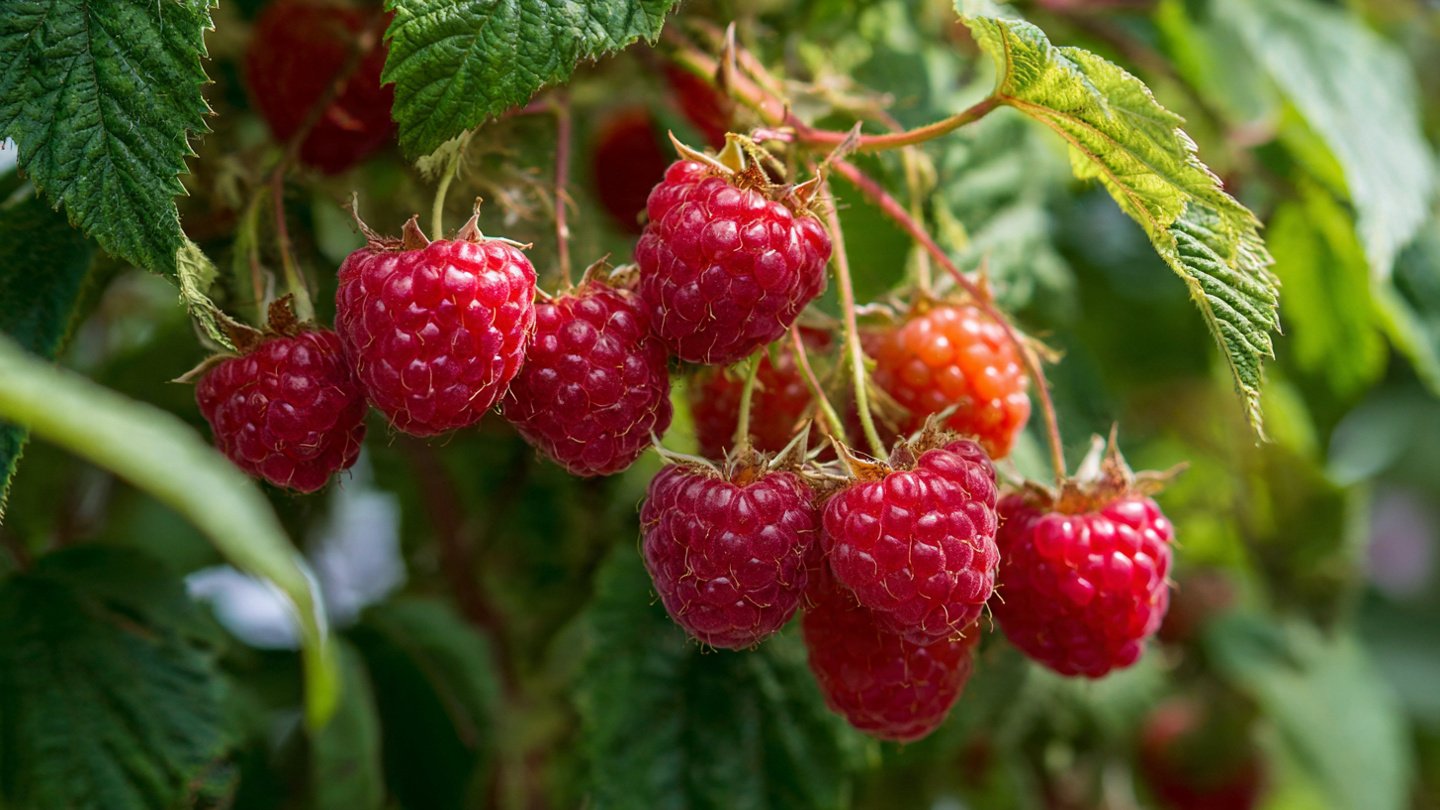
If you’ve ever grown raspberries, you already know how rewarding they can be—sweet, juicy fruit straight from the garden with surprisingly little effort. But what many gardeners don’t realize is that proper pruning is the secret to getting not one, but two generous raspberry harvests each year.
Pruning can sound intimidating at first, especially when you’re staring at a tangle of thorny canes. The good news? Once you understand how raspberry plants grow, pruning becomes simple, logical, and incredibly effective. Done correctly, it boosts fruit size, improves airflow, reduces disease, and keeps plants productive for years.
This guide will walk you step-by-step through how to prune raspberries for two big harvests, even if you’re a beginner.
Understanding How Raspberry Plants Grow
Before picking up the pruners, it helps to understand raspberry growth cycles. Raspberry plants grow in canes, not branches, and these canes live for two years.
- Primocanes: First-year canes that grow tall and leafy.
- Floricanes: Second-year canes that produce fruit and then die.
Some raspberries fruit once per year, while others—called everbearing or fall-bearing varieties—can produce two harvests if pruned correctly.
Choose the Right Raspberry Type for Two Harvests
To get two big harvests, you must be growing everbearing (fall-bearing) raspberries, such as:
- Heritage
- Autumn Bliss
- Caroline
- Joan J
These varieties fruit:
- Late summer or fall on the tips of first-year canes
- Early summer the following year on the lower portion of those same canes
With the right pruning strategy, you can enjoy both crops.
When to Prune Raspberries
Timing matters just as much as technique.
Key Pruning Times
- Late winter to early spring (before new growth begins)
- Immediately after summer harvest
- After fall harvest (optional, depending on strategy)
Using sharp, clean pruning shears is essential to prevent disease.
Pruning Method for Two Big Harvests (Step-by-Step)
This method keeps canes productive across both seasons.
Step 1: Prune After the Summer Harvest
Once your raspberries finish fruiting in early summer:
- Identify floricanes (they’ve already fruited)
- Cut these canes all the way down to ground level
- Remove them completely from the patch
Why this matters:
- Floricanes will never fruit again
- Removing them improves airflow and light penetration
- It directs energy into new primocanes
Tip: Fruited canes often look woody, darker, and more brittle than new growth.
Step 2: Thin New Primocanes
By mid-summer, new primocanes will be growing vigorously.
- Keep the strongest 4–6 canes per foot of row
- Remove weak, thin, or crowded shoots
- Space canes evenly for airflow
This step is crucial for:
- Larger berries
- Reduced fungal disease
- Stronger canes capable of supporting fruit
Step 3: Allow Fall Fruiting to Happen
In late summer to fall, primocanes will begin producing fruit at their tips.
- Do not cut these canes yet
- Harvest as usual
- Mark or remember which canes fruited
These same canes will produce again next summer if left intact.
Step 4: Spring Pruning for the Second Harvest
In late winter or early spring (before new growth starts):
- Look for canes that fruited the previous fall
- Cut off only the top portion of each cane that already fruited
- Prune just below the spent fruiting section
What’s left will:
- Produce an early summer crop
- Become floricanes for their second and final fruiting year
This step is the key to unlocking your second harvest.
Alternative Method: One Huge Fall Harvest
Some gardeners prefer simplicity over two harvests.
In this method:
- Cut all canes to ground level every winter
- Plants produce one massive fall crop
- No summer harvest
Pros:
- Easier maintenance
- Fewer pests and diseases
- Bigger fall harvest
Cons:
- No early summer berries
If your goal is two harvests, stick with the previous method—but it’s good to know your options.
How Tall Should Raspberry Canes Be?
Managing height improves yield and prevents breakage.
- Ideal height: 4–5 feet
- If canes grow taller, lightly tip-prune in early summer
- Use a trellis or wires for support
Taller canes mean more fruiting nodes—but only if they’re supported and well-spaced.
Common Pruning Mistakes to Avoid
Even experienced gardeners make these mistakes:
❌ Cutting All Canes in Fall (Accidentally)
This removes next summer’s harvest.
❌ Leaving Old Fruited Canes
They attract pests and diseases.
❌ Overcrowding
Too many canes = small berries and poor airflow.
❌ Pruning Too Late in Spring
This can reduce yield by removing new fruiting buds.
Tools You’ll Need
Pruning raspberries doesn’t require much, but quality tools help.
- Sharp bypass pruners
- Thick gloves (raspberry thorns are no joke)
- Long sleeves
- Rubbing alcohol for disinfecting blades
Clean tools reduce the spread of cane diseases like spur blight and anthracnose.
Extra Tips for Bigger Raspberry Harvests
Pruning works best when paired with good care.
Feed Regularly
- Apply compost or balanced fertilizer in early spring
- Avoid high nitrogen after midsummer
Mulch Well
- Straw, wood chips, or leaves
- Keeps roots cool and moist
- Suppresses weeds
Water Deeply
- Especially during flowering and fruiting
- Inconsistent watering leads to small or crumbly berries
How Pruning Improves Plant Health
Proper pruning doesn’t just increase yield—it also:
- Improves air circulation
- Reduces fungal diseases
- Prevents cane collapse
- Encourages stronger regrowth
Healthy plants produce better fruit, plain and simple.
Final Thoughts: Prune with Confidence
Pruning raspberries for two big harvests isn’t about being aggressive—it’s about being strategic. Once you learn to recognize which canes have fruited and when to cut them back, the process becomes second nature.
With the right timing, spacing, and care, your raspberry patch can reward you twice a year with baskets of sweet, homegrown fruit. Grab your pruners, follow these steps, and enjoy the payoff season after season.