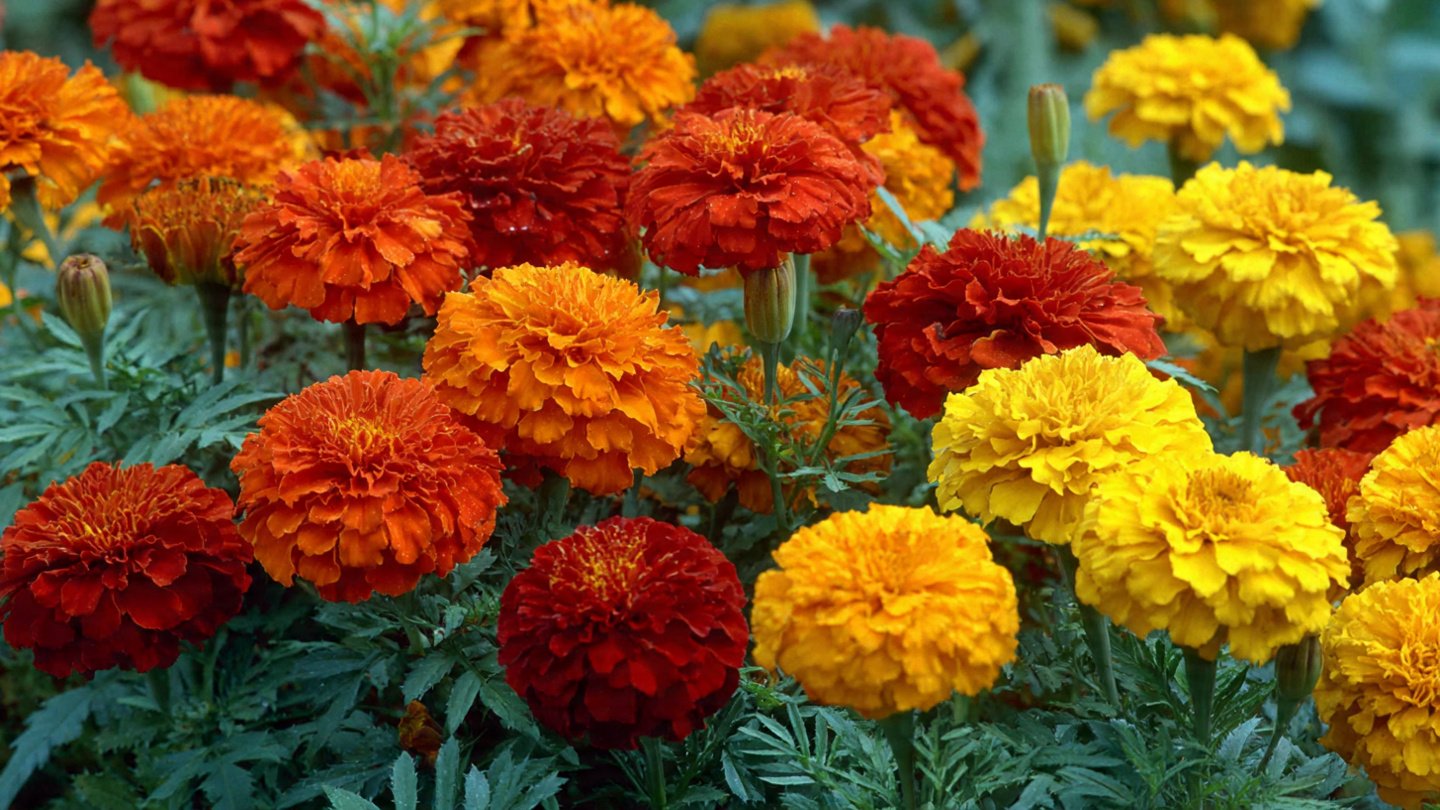
Few flowers are as vibrant, versatile, and beneficial as marigolds. Their bright yellow, orange, and red blossoms instantly lift the visual appeal of any garden bed, making them a favorite among gardeners worldwide. But marigolds are more than just beautiful—they’re hardy, low-maintenance, and play a crucial role in supporting your garden’s overall health. Whether you’re a beginner gardener or a seasoned pro, incorporating marigolds into your flower beds offers aesthetic, ecological, and practical advantages that make them indispensable.
This article explores why marigolds are a must-have in every flower bed and how they can transform your garden space.
1. Vibrant Colors that Enhance Any Garden
One of the most obvious reasons to grow marigolds is their vivid, eye-catching colors. With shades ranging from deep orange to golden yellow and even maroon, marigolds provide a bold contrast to green foliage and other blooms. They can be used to:
- Create striking borders along pathways
- Add pops of color in mixed flower beds
- Complement vegetables and herbs in edible gardens
Their bright hues not only enhance visual appeal but also help create focal points that draw attention, making your flower bed look lively and dynamic throughout the growing season.
2. Easy to Grow and Maintain
Marigolds are extremely user-friendly plants, perfect for gardeners of all skill levels. Some of their key growth advantages include:
- Fast Growth: Marigolds germinate quickly and bloom within weeks of planting.
- Minimal Care: They thrive in well-draining soil with moderate watering and full sun exposure.
- Drought Tolerance: Once established, marigolds can withstand dry spells without significant stress.
- Pest Resistance: Their natural oils and scent make them less attractive to common pests compared to other flowers.
This low-maintenance nature makes them ideal for gardeners who want vibrant flower beds without the constant upkeep.
3. Natural Pest Repellent
Marigolds are often called “the gardener’s natural pesticide” because they help repel harmful insects. Their strong aroma, especially from varieties like French marigolds, deters pests such as:
- Aphids
- Whiteflies
- Nematodes (microscopic worms that attack plant roots)
- Certain beetles
Planting marigolds near vegetables or other vulnerable flowers can protect nearby plants without chemical pesticides, creating a more sustainable garden ecosystem. This makes them particularly valuable in companion planting schemes.
Pro Tip: Plant marigolds around tomatoes, peppers, or cucumbers to reduce pest infestations naturally.
4. Attract Beneficial Insects
While marigolds repel harmful insects, they also attract beneficial pollinators such as bees, butterflies, and ladybugs. These insects are essential for:
- Pollination of fruiting plants
- Controlling pest populations naturally
- Enhancing overall garden biodiversity
By planting marigolds in your flower beds, you create a balanced garden environment that supports both ornamental and edible plants.
5. Long Blooming Season
Marigolds are known for their extended flowering period, often blooming from late spring until the first frost. This prolonged bloom ensures that your flower bed remains colorful for months, making them perfect for:
- Continuous aesthetic appeal throughout the growing season
- Complementing other seasonal flowers that may have shorter bloom periods
- Providing ongoing habitat and food for pollinators
Regular deadheading—removing faded flowers—can further extend their blooming period, keeping your flower bed vibrant and full of life.
6. Versatility in Garden Design
Marigolds are incredibly versatile and can be incorporated into almost any garden design. Some common uses include:
- Borders and Edging: Shorter varieties like French marigolds make perfect borders along pathways or garden beds.
- Centerpieces: Taller varieties, such as African marigolds, can serve as striking focal points in flower beds.
- Container Gardens: Marigolds grow well in pots and containers, making them suitable for patios, balconies, or small spaces.
- Mixed Beds: They pair well with annuals, perennials, herbs, and vegetables, adding texture, color, and pest protection.
Their adaptability ensures that you can use them creatively throughout your garden without worrying about compatibility with other plants.
7. Soil and Environmental Benefits
Marigolds are not only easy on gardeners—they also benefit the soil and surrounding environment:
- Nematode Control: Certain marigold species, especially French marigolds, release compounds from their roots that suppress harmful nematodes.
- Soil Improvement: Dead plant material can be composted to enrich the soil with organic matter.
- Air Purification: Like many plants, marigolds help improve air quality by absorbing carbon dioxide and releasing oxygen.
By including marigolds in your flower beds, you contribute to healthier soil and a more sustainable garden ecosystem.
8. Medicinal and Traditional Uses
Beyond their ornamental value, marigolds have been used in traditional medicine and home remedies for centuries:
- Skin Soothing: Extracts from marigold flowers can help with minor cuts, burns, and inflammation.
- Anti-Inflammatory Properties: Calendula, a type of marigold, is known for its anti-inflammatory and antiseptic effects.
- Natural Dyes: The vibrant petals can also be used to make natural dyes for fabrics or crafts.
While not all marigold varieties are suitable for consumption, incorporating edible or medicinal types can provide additional benefits beyond the visual appeal.
Simple Techniques for Growing Marigolds
Marigolds are forgiving, but following simple techniques ensures healthy, vibrant growth:
1. Choose the Right Variety
- French marigolds (Tagetes patula): Short, bushy, ideal for borders and containers
- African marigolds (Tagetes erecta): Tall, large flowers, suitable for centerpieces or larger beds
- Signet marigolds (Tagetes tenuifolia): Small, edible flowers perfect for culinary use
2. Select Full Sun Locations
Marigolds thrive in full sunlight, which encourages robust growth and vibrant blooms.
3. Prepare Well-Draining Soil
- Slightly sandy or loamy soil works best
- Avoid heavy clay soils unless amended with sand or compost
- Ensure pH is slightly acidic to neutral (6.0–7.0)
4. Water Wisely
- Water at the base of the plant to prevent fungal diseases
- Allow soil to dry slightly between watering
- Avoid overhead watering, which can encourage mildew
5. Deadhead Regularly
- Remove faded flowers to encourage new blooms
- Prevent seed formation if you want continuous flowering
6. Companion Planting
- Pair with vegetables or herbs to naturally repel pests
- Use taller marigolds to provide partial shade for delicate companion plants
Conclusion
Marigolds are much more than just bright, cheerful flowers—they are multi-functional, low-maintenance, and beneficial additions to any flower bed. Their ability to deter pests, attract pollinators, and enhance soil health makes them indispensable for gardeners who want both beauty and practicality. With extended blooming periods, vibrant colors, and easy growth requirements, marigolds fit seamlessly into almost any garden design.
Whether planted as borders, centerpieces, in containers, or alongside vegetables, marigolds provide a combination of aesthetic appeal, ecological benefits, and practical advantages that few other plants can match. By incorporating marigolds into your flower beds, you’re not only adding color and texture but also supporting a healthier, more balanced garden ecosystem.
For anyone looking to cultivate a garden that is visually stunning, ecologically sustainable, and practically beneficial, marigolds are truly a must-have. With simple care, proper placement, and a little attention to detail, these resilient flowers will reward you with months of vibrant blooms and a flourishing garden.