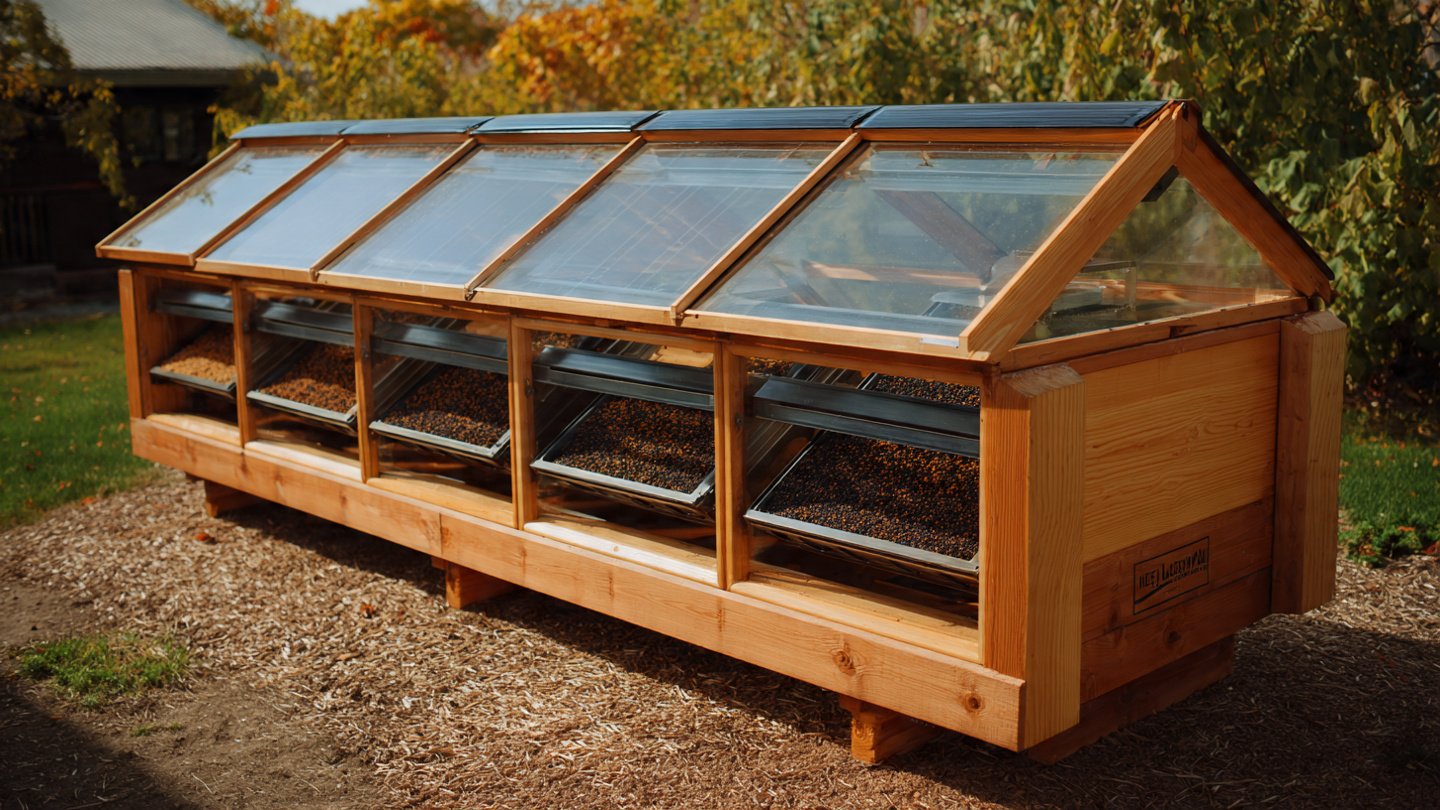
For gardeners, homesteaders, and anyone passionate about fresh produce, the end of the growing season often presents a common challenge: how to preserve the abundance of fruits, vegetables, and herbs before they spoil. While freezing, canning, and pickling are popular methods, solar dehydration offers a natural, energy-efficient alternative that not only extends the shelf life of your harvest but also enhances flavor and nutrition. Using a solar dehydrator, you can turn your garden’s bounty into dried foods that last for months—and sometimes even years—without relying on electricity or artificial preservatives.
What is a Solar Dehydrator?
A solar dehydrator is a device that uses sunlight and airflow to remove moisture from fruits, vegetables, and herbs. By lowering the water content of your produce, you create an environment where bacteria, molds, and yeasts cannot thrive, effectively preserving the food.
Unlike simple sun-drying, which exposes produce directly to the elements and insects, a solar dehydrator provides a controlled environment, often with trays or racks, ventilation, and sometimes reflective surfaces to increase heat. The result is safer, faster, and more uniform drying.
Solar dehydrators come in different types:
- Cabinet-style dehydrators – Wooden or metal boxes with multiple trays and vents that allow sunlight to heat the interior while air circulates.
- Box-type dehydrators – Simple designs made from a box with a transparent top, often angled to capture maximum sunlight.
- Hybrid dehydrators – Combine solar heat with supplemental airflow or small fans for faster drying during cloudy days.
Advantages of Solar Dehydration
Solar dehydrators offer several benefits over other preservation methods:
1. Energy Efficiency
Unlike electric dehydrators, solar dehydrators rely on free sunlight, making them environmentally friendly and cost-effective. You can preserve your harvest without increasing your energy bills or carbon footprint.
2. Nutritional Preservation
Solar dehydration is gentle on the produce. Unlike high-heat methods like canning or roasting, solar drying retains vitamins, minerals, and antioxidants, preserving the nutritional value of your harvest.
3. Extended Shelf Life
Properly dried foods can last six months to a year, depending on storage conditions. Herbs, fruits, vegetables, and even mushrooms can be stored in airtight containers, ready to use in soups, stews, teas, and snacks.
4. Enhanced Flavor
Drying concentrates natural sugars and flavors, creating sweet, tangy, and earthy intensities that fresh produce cannot achieve. For example, tomatoes become richer, strawberries sweeter, and herbs more aromatic.
5. Pest Protection
A solar dehydrator shields your produce from insects, birds, and other pests that can spoil fruits and vegetables during traditional sun-drying.
Choosing the Right Produce for Solar Dehydration
Not all produce dries equally well. Some vegetables and fruits are naturally better suited to solar dehydration:
Fruits
- Apples, pears, peaches, and plums
- Berries like strawberries, blueberries, and raspberries
- Tropical fruits such as mango, pineapple, and bananas
Tip: Slice fruit uniformly to ensure even drying and faster moisture removal.
Vegetables
- Tomatoes, bell peppers, carrots, zucchini, and green beans
- Leafy greens like kale, spinach, and herbs such as basil, oregano, and thyme
Tip: Blanch vegetables like green beans or carrots briefly before drying to preserve color and nutrients.
Herbs
- Rosemary, thyme, sage, mint, and parsley
- Basil, cilantro, and oregano
Tip: Wash and pat dry herbs carefully to prevent mold growth during drying.
How to Use a Solar Dehydrator
Using a solar dehydrator is simple but requires attention to detail for the best results:
Step 1: Prepare Your Produce
- Wash and dry fruits, vegetables, and herbs thoroughly.
- Slice produce evenly, typically ¼ to ½ inch thick.
- Remove pits, stems, or seeds as necessary.
- For vegetables, blanching can help maintain vibrant colors and reduce bacteria.
Step 2: Arrange on Trays
- Place the produce in a single layer on the trays to ensure proper airflow.
- Avoid overlapping pieces, which can trap moisture and slow drying.
Step 3: Position the Dehydrator
- Place the dehydrator in a sunny, well-ventilated location.
- Angle the dehydrator toward the sun for maximum heat absorption.
- Ensure vents are open to allow air circulation, which is critical for even drying.
Step 4: Monitor Drying Time
- Drying times vary depending on the type of produce, thickness of slices, and sunlight intensity.
- Fruits may take 6–12 hours, vegetables 8–16 hours, and herbs 2–6 hours.
- Test for dryness by touching the produce—it should feel leathery or brittle with no visible moisture.
Step 5: Cool and Store
- Allow dried produce to cool completely before storing to prevent condensation.
- Store in airtight containers in a cool, dark place. Glass jars, vacuum-sealed bags, or plastic containers with tight lids work well.
Tip: Label containers with the contents and date to keep track of freshness.
Tips for Optimal Solar Dehydration
1. Rotate Trays
Rotate trays periodically to ensure all produce receives equal sunlight and airflow. This prevents uneven drying or partially spoiled batches.
2. Protect from Bugs
Cover trays with a fine mesh or screen to keep insects out while still allowing sunlight and air to circulate.
3. Maintain Cleanliness
Clean trays, racks, and the interior of your dehydrator before each use. Residue from previous batches can harbor mold or bacteria.
4. Store in Small Batches
Divide dried produce into smaller portions for storage. Opening large containers frequently can introduce moisture and reduce shelf life.
5. Monitor Humidity
High humidity slows drying and can cause mold growth. Dry on sunny, low-humidity days whenever possible.
Creative Ways to Use Dried Produce
Dried fruits, vegetables, and herbs are incredibly versatile in the kitchen:
Snacks
- Eat dried fruits like apples, mango, or berries as on-the-go snacks.
- Combine fruits, nuts, and seeds for a homemade trail mix.
Cooking
- Rehydrate dried vegetables for soups, stews, sauces, or casseroles.
- Add dried herbs to season meats, pasta, and roasted vegetables.
Baking
- Use dried fruits in muffins, bread, cookies, or granola.
- Crush dried berries or herbs into powders for natural flavoring.
Beverages
- Steep dried herbs like mint or chamomile for herbal teas.
- Add dried fruits to water or cider for infused drinks.
Advantages Over Other Preservation Methods
While freezing, canning, and pickling are also effective, solar dehydration has unique benefits:
| Method | Pros | Cons |
|---|---|---|
| Freezing | Preserves nutrients; long shelf life | Requires electricity; may lose texture |
| Canning | Preserves for months; flavorful | Labor-intensive; requires jars and equipment |
| Pickling | Adds flavor and acidity | Alters taste; limited to certain vegetables |
| Solar Dehydration | Energy-efficient; concentrates flavor; portable; long shelf life | Weather-dependent; slower than electric dehydrators |
Sustainability and Self-Sufficiency
Solar dehydration aligns perfectly with sustainable living principles. It:
- Reduces energy consumption by relying on sunlight.
- Minimizes food waste by preserving excess harvest.
- Supports self-sufficiency, allowing you to enjoy your garden year-round.
By incorporating solar dehydration into your routine, you not only preserve food but also cultivate a connection with natural processes and renewable energy.
Conclusion
A solar dehydrator is a simple yet powerful tool that allows gardeners and food enthusiasts to preserve the flavors, nutrients, and beauty of their harvest. By using the sun’s energy, you can extend the shelf life of fruits, vegetables, and herbs without relying on electricity or chemical preservatives. With the right preparation, careful monitoring, and proper storage, solar-dried foods can be a healthy, flavorful addition to your pantry for months to come.
Whether you want sweet dried apples for snacking, flavorful tomatoes for winter soups, or aromatic herbs for cooking, a solar dehydrator transforms your seasonal bounty into year-round culinary treasures. Beyond practicality, it fosters sustainability, reduces food waste, and connects you with a more natural and self-sufficient lifestyle. By harnessing sunlight, air, and a little patience, your harvest can become a lasting source of nourishment and enjoyment, long after the growing season has ended.