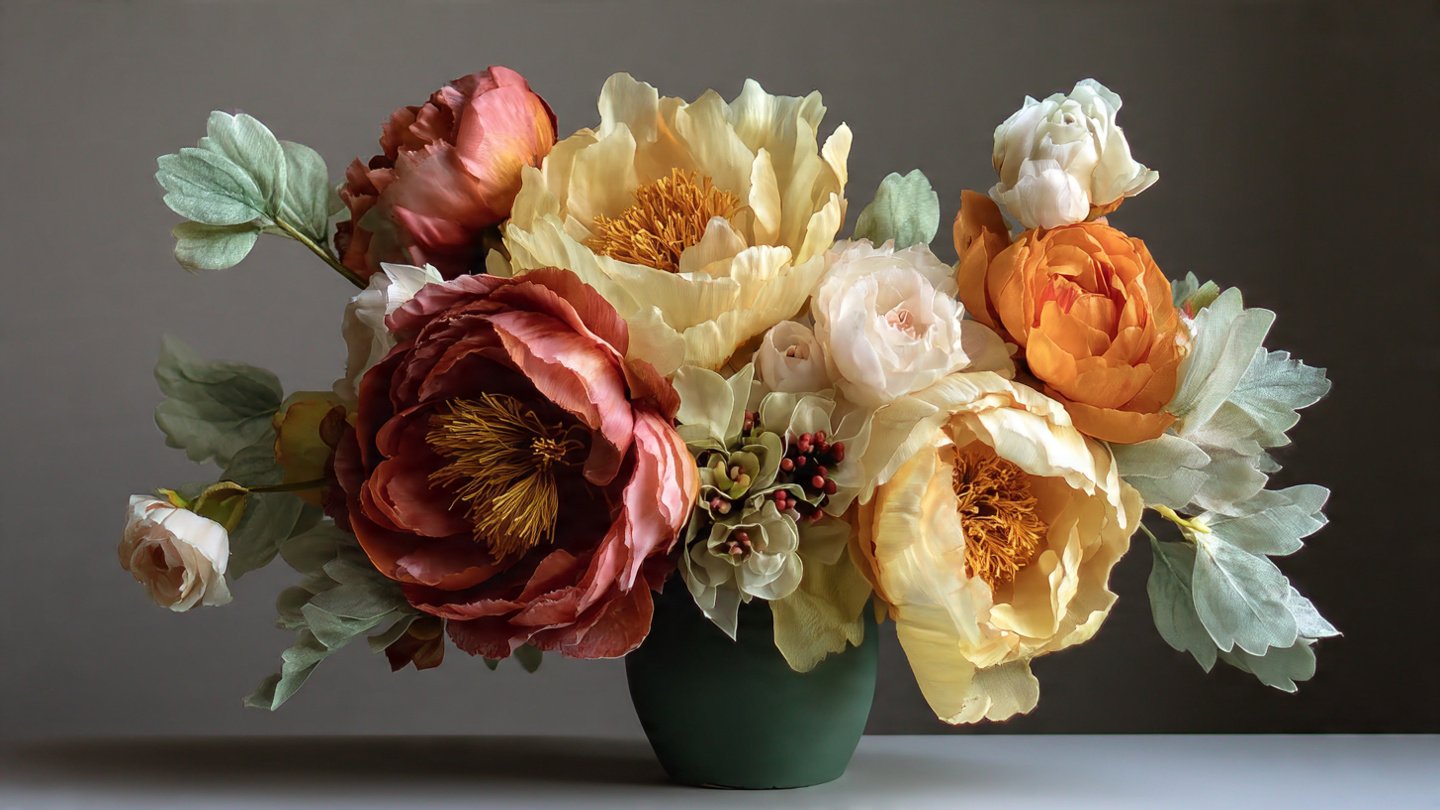
Cut flowers are one of nature’s most beautiful gifts, bringing color, fragrance, and joy into homes, events, and gardens. Whether you are creating a personal bouquet, preparing flowers for a special occasion, or selling arrangements commercially, the timing of when you cut flowers can dramatically affect their freshness, longevity, and overall appearance. While many gardeners and florists focus on selecting the right flowers or arranging them creatively, the time of day you harvest flowers is often overlooked—but it is one of the simplest ways to improve bouquet quality.
In this article, we explore why timing matters, what the best practices are, and how environmental factors influence the ideal moment to cut flowers.
Why Timing Matters
The timing of flower cutting affects several key aspects:
- Water Content: Flowers cut when their stems are fully hydrated retain moisture longer, helping them last in bouquets.
- Nectar and Fragrance: Many flowers release their strongest scent at specific times of day, which can enhance the sensory experience of your bouquet.
- Flower Longevity: Cutting at the right time reduces stress on the flower, delaying wilting and extending vase life.
- Ease of Handling: Flowers harvested during optimal conditions are less likely to bruise or suffer damage during arranging.
Understanding the natural rhythms of plants can make a significant difference, ensuring your cut flowers remain fresh, vibrant, and fragrant.
Morning: The Most Recommended Time
For most flowers, the early morning—just after sunrise—is widely considered the best time to cut. Here’s why:
- Maximum Hydration: Overnight, plants have absorbed water through their roots, replenishing stem and petal cells. Morning-cut flowers have full water reserves, which helps prevent drooping and wilting.
- Cool Temperatures: Morning air is cooler, reducing stress on the flowers and slowing transpiration (water loss through leaves and petals).
- Optimal Fragrance: Many flowers, including roses, lilies, and lavender, produce peak fragrance in the morning, which can enhance your bouquet’s appeal.
Tip: Harvest before the sun climbs too high to avoid cutting flowers when water levels have dropped due to heat, which can lead to limp or less vibrant blooms.
Midday: When to Be Cautious
Cutting flowers during the midday heat is generally less ideal, especially in warm climates.
- High Temperatures: During midday, plants are actively transpiring to cool themselves. Cutting at this time can stress the flowers and reduce vase life.
- Lower Water Content: Stem moisture is often lower during the hottest part of the day, which can make flowers more prone to wilting.
- Sunlight Sensitivity: Delicate petals may suffer minor sun damage or fade faster if cut during intense sunlight.
However, if morning harvesting isn’t possible, midday is acceptable for hardy flowers like sunflowers, marigolds, or zinnias, provided they are promptly placed in water and shaded until arranged.
Evening: A Second Optimal Window
The late afternoon to early evening can also be a good time to cut flowers, especially in hot summer months.
- Cooler Air: Temperatures drop again in the evening, reducing stress and water loss.
- Adequate Hydration: Plants often have replenished water after a cool evening or irrigation.
- Slower Metabolism: Evening harvesting can minimize rapid wilting compared to midday cutting.
Tip: Flowers cut in the evening should be kept in a cool, shaded area overnight and placed in water immediately to maintain freshness.
Flower-Specific Timing Considerations
Different flowers have slightly different peak cutting times based on their natural rhythms:
- Roses: Best cut in the early morning when stems are fully hydrated and buds are firm. Avoid cutting after rainfall, as petals may be waterlogged.
- Tulips: Morning is ideal, but tulips continue growing in water, so slightly closed buds work well for arrangements.
- Lilies: Early morning is best to capture fragrance and prevent pollen staining.
- Lavender: Mid-morning after dew dries ensures fragrance and prevents mold.
- Sunflowers: Can tolerate slightly later harvesting due to their hardy stems, but morning is still preferable.
Understanding each flower’s specific behavior can enhance the bouquet’s appearance and longevity.
Preparing Flowers After Cutting
Timing is only one part of the equation. Proper post-harvest handling ensures your bouquet remains fresh:
- Immediate Watering: Place stems in lukewarm water as soon as possible. This helps prevent air embolisms in the stems, which can block water uptake.
- Recutting Stems: Trim stems at a 45-degree angle under running water to maximize water absorption.
- Remove Lower Leaves: Prevent leaves from sitting in water to reduce bacterial growth.
- Use Flower Food: Adding a packet of floral preservative helps maintain hydration and provides nutrients.
- Keep Cool: Store freshly cut flowers in a cool, shaded area until arranging.
Even perfectly timed flowers can deteriorate quickly if post-harvest care is neglected.
Environmental Factors That Influence Timing
Several environmental factors may adjust the ideal cutting time:
- Climate: Hot and arid climates favor early morning or late evening cutting, while cooler regions have more flexibility.
- Rain and Dew: Avoid cutting wet flowers to reduce disease and mold risk. Allow dew to evaporate if harvesting early.
- Wind: Strong winds increase transpiration and stress; choose calm hours for harvesting delicate flowers.
- Sun Exposure: Flowers exposed to intense sun may wilt faster if cut at the wrong time; morning or evening cuts are gentler.
By observing local weather and garden conditions, gardeners can optimize flower cutting for maximum quality.
Harvesting Technique Matters
Even at the right time, how you cut flowers is important:
- Use sharp, clean tools to make a clean cut and reduce stem damage.
- Cut at a 45-degree angle to increase surface area for water uptake.
- Harvest flowers with at least half of the stem intact, ensuring they are long enough for arranging.
- Handle flowers gently to avoid bruising petals or leaves.
Combining proper timing with proper technique ensures the bouquet stays fresh and beautiful.
Tips for Extending Bouquet Life
Beyond timing and cutting technique, additional steps help your flowers last longer in a vase:
- Change the water every 1–2 days and recut stems to maintain hydration.
- Keep bouquets away from direct sunlight, heaters, or drafts.
- Remove wilting or damaged flowers promptly to prevent ethylene buildup, which accelerates aging.
- Mist foliage lightly if appropriate, but avoid saturating flowers prone to mold.
A combination of correct timing, handling, and care creates a long-lasting, vibrant bouquet.
Conclusion
The best time to cut flowers for a bouquet is generally early morning, when stems are fully hydrated, temperatures are cool, and fragrance is at its peak. Late afternoon or early evening can also work, particularly in hot climates. Midday cutting is less ideal, though hardy flowers may tolerate it if handled properly.
Timing, combined with proper post-harvest care—including recutting stems, providing fresh water, and keeping flowers cool—ensures your bouquet remains fresh, vibrant, and fragrant for longer. By paying attention to natural rhythms, environmental conditions, and flower-specific needs, gardeners and florists can create arrangements that not only look stunning but also last longer, delighting recipients and enhancing any space.
Whether you are a home gardener, floral enthusiast, or professional florist, understanding the best time of day to cut flowers is a simple yet powerful step toward creating truly remarkable bouquets.