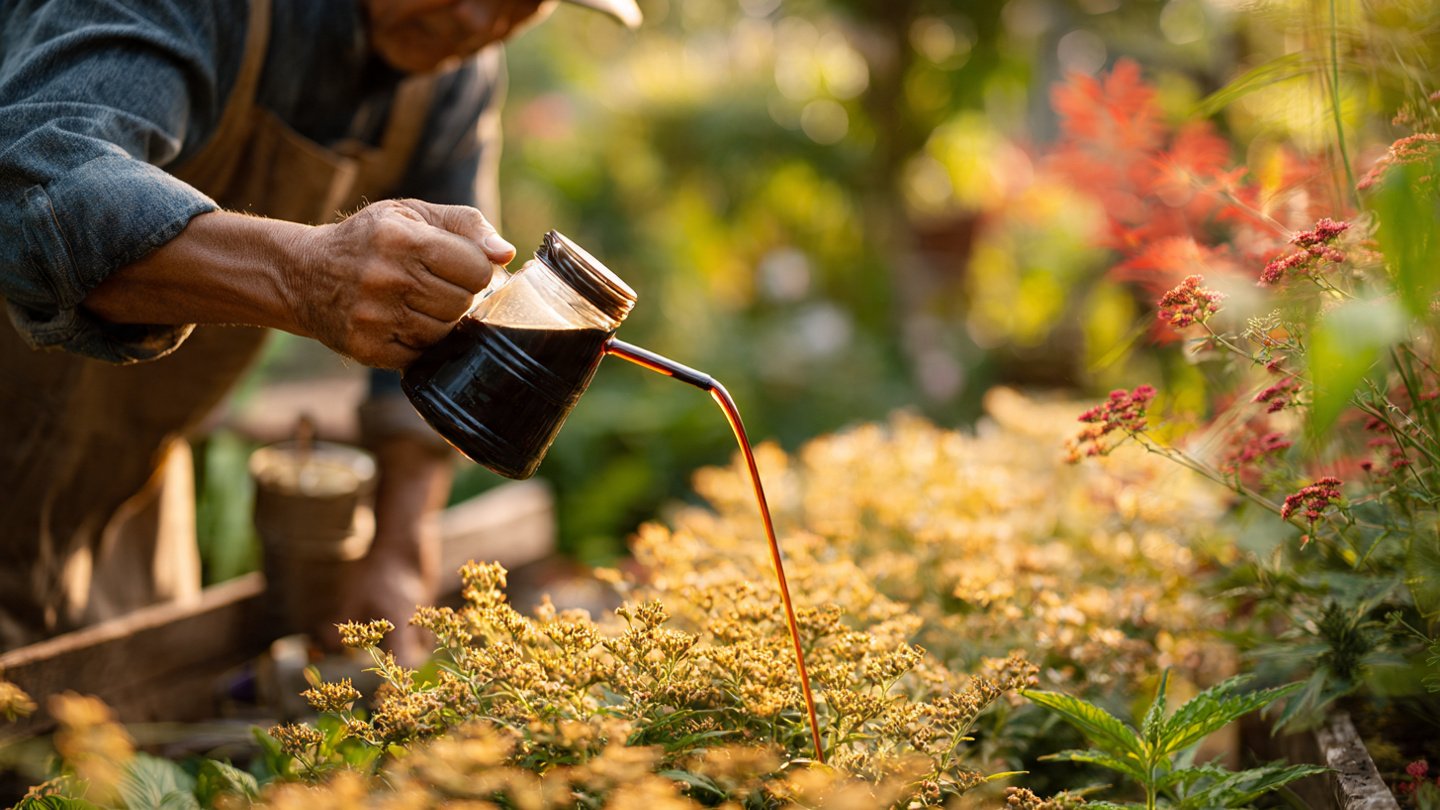
If you’ve been scrolling through gardening forums or watching plant-care videos lately, you may have noticed one surprising trend: gardeners everywhere are reaching for molasses in their sprayers. It might seem odd at first—after all, molasses is usually associated with baking and sweet treats, not lush, thriving gardens. Yet this humble pantry ingredient is making waves as a natural, versatile booster for plants.
So, what’s all the fuss about? Let’s dive into why molasses is suddenly the talk of the gardening community and how you can use it safely to improve soil, boost plant growth, and even keep pests at bay.
What Is Molasses and Why Use It in the Garden?
Molasses is a thick, dark syrup derived from sugarcane or sugar beet during the sugar extraction process. Unlike refined sugar, molasses retains minerals like calcium, magnesium, potassium, and iron, making it nutrient-rich. These nutrients aren’t just good for your body—they’re beneficial for plants and soil microbiomes as well.
Gardeners use molasses in sprayers as a foliar feed, soil drench, or compost enhancer. Its popularity is growing rapidly because it offers multiple benefits at a low cost and is considered a natural, eco-friendly alternative to chemical fertilizers.
The Science Behind Molasses in Gardens
Molasses works in your garden primarily through its effects on soil microbes and nutrient availability. Here’s how:
- Feeds Beneficial Microorganisms:
Molasses is rich in simple sugars that soil microbes love. Spraying molasses on leaves or adding it to soil encourages the growth of bacteria and fungi that help plants absorb nutrients more efficiently. - Improves Soil Health:
When added to compost or soil, molasses promotes microbial activity that breaks down organic matter into plant-friendly nutrients. Healthier soil equals stronger, more resilient plants. - Enhances Nutrient Uptake:
Certain microbes stimulated by molasses can make nutrients like nitrogen and phosphorus more available to plants, boosting growth naturally. - Suppresses Harmful Fungi:
Beneficial microbes supported by molasses can outcompete some harmful pathogens, helping reduce diseases like powdery mildew and root rot.
This combination of effects explains why gardeners are reaching for molasses in both their sprayers and soil amendments.
How Gardeners Are Using Molasses This Week
The surge in molasses use is partly seasonal. Early spring and summer are peak times for new growth, making molasses an attractive addition to gardening routines. Here are the main ways gardeners are applying it:
1. Foliar Spray
Molasses can be mixed with water and sprayed directly on plant leaves. The leaves absorb some nutrients directly, while the sugars feed beneficial microbes on the leaf surface.
Basic foliar spray recipe:
- 1–2 tablespoons of molasses per gallon of water
- Mix well until fully dissolved
- Spray on leaves in the morning or late afternoon
This method boosts plant health, enhances leaf gloss, and supports natural pest resistance.
2. Soil Drench
A soil drench delivers molasses directly to the root zone, feeding both plants and soil microbes.
How to use as a soil drench:
- Dissolve 2–3 tablespoons of molasses per gallon of water
- Pour around the base of plants, avoiding leaf contact
- Repeat every 2–3 weeks for continuous soil nourishment
The result is healthier, more vibrant plants with stronger root systems.
3. Compost Booster
Adding molasses to compost piles or bins accelerates decomposition by feeding microorganisms that break down plant material.
Compost tip:
- Mix a few tablespoons of molasses into your compost pile every couple of weeks
- Ensure compost remains moist
- The pile will heat up slightly faster, producing rich, nutrient-dense compost
This technique helps gardeners turn kitchen scraps and garden waste into high-quality, living fertilizer.
4. Pest Management Aid
Molasses isn’t a pesticide itself, but it indirectly helps control pests by supporting beneficial insects and microbes. Healthy plants grown in molasses-amended soil are often more resilient to common pests.
Additionally, when applied as a foliar spray, it can make plants less attractive to some leaf-chewing insects, while promoting microbes that naturally combat fungal pests.
Why Molasses Has Become a Trend This Week
The sudden surge in molasses use in sprayers isn’t random. Several factors are driving this gardening craze:
- Social Media Influence:
Gardening TikTok and Instagram creators have been sharing “molasses hacks,” showing dramatic plant growth after a few applications. Visuals of lush green leaves and thriving vegetables attract instant attention. - Organic Gardening Popularity:
As more gardeners shift away from synthetic fertilizers and pesticides, natural alternatives like molasses are gaining traction. - Seasonal Planting:
Spring and early summer mark active growth periods for many plants. Gardeners are looking for safe, nutrient-rich boosts to maximize yields. - Ease and Accessibility:
Molasses is cheap, widely available, and easy to mix with water. Unlike specialized fertilizers, you don’t need a garden store—just a kitchen staple. - Community Sharing:
Gardening forums and groups share positive experiences with molasses, creating a ripple effect. When one gardener posts their success, dozens more try it, leading to a surge in usage.
Tips for Using Molasses Safely
While molasses is beneficial, it’s important to use it correctly to avoid issues:
- Don’t Overdo It:
Excess molasses can attract ants or create sticky residue on leaves. Stick to recommended concentrations. - Dissolve Thoroughly:
Always mix molasses completely in water to avoid clogging sprayer nozzles. - Use Warm Water:
Warm water helps dissolve molasses faster and distributes sugars evenly. - Apply in Early Morning or Late Afternoon:
Avoid spraying during peak sun to prevent leaf burn and evaporation. - Combine With Other Organic Inputs:
For best results, molasses works well with compost teas, seaweed extracts, or fish emulsions, creating a balanced nutrient boost.
Which Plants Benefit Most from Molasses Sprays?
Molasses can be used on almost any plant, but it’s especially beneficial for:
- Vegetables: Tomatoes, peppers, cucumbers, and leafy greens respond well to microbial stimulation.
- Fruit Trees: Apples, citrus, and berries thrive when soil microbes are active.
- Herbs: Basil, mint, and cilantro show enhanced leaf growth and aroma.
- Flowers: Annuals and perennials benefit from boosted nutrient uptake and microbial activity.
Essentially, any plant in active growth can gain from molasses applications, making it a versatile addition to your gardening routine.
Quick Recap: Why Molasses Is Everyone’s Garden Secret
- Nutrient-rich: Provides essential minerals and sugars for plants.
- Feeds microbes: Encourages beneficial bacteria and fungi in soil and on leaves.
- Boosts growth: Enhances nutrient absorption and leaf development.
- Supports pest resilience: Strengthens plant defenses naturally.
- Affordable and accessible: Easily available and simple to use.
With all these benefits, it’s easy to see why gardeners are embracing molasses in their sprayers this week—and likely for weeks to come.
Final Thoughts
Molasses has gone from a baking ingredient to a gardening superstar almost overnight. By feeding microbes, boosting plant health, and improving soil quality, it offers a natural, low-cost, and eco-friendly way to nurture your garden. Whether you’re spraying leaves, drenching soil, or adding it to compost, molasses supports healthy, resilient plants that thrive with minimal effort.
If you haven’t tried it yet, this week is the perfect time to experiment. Just a few tablespoons in your garden sprayer can kickstart microbial activity, enhance growth, and make your garden greener, healthier, and more productive.
With proper application and timing, molasses can turn your garden into a thriving ecosystem, making it no wonder that gardeners everywhere are talking about it—and using it—right now.
🌿🍯 Your garden might just thank you with bigger harvests, stronger plants, and vibrant leaves.