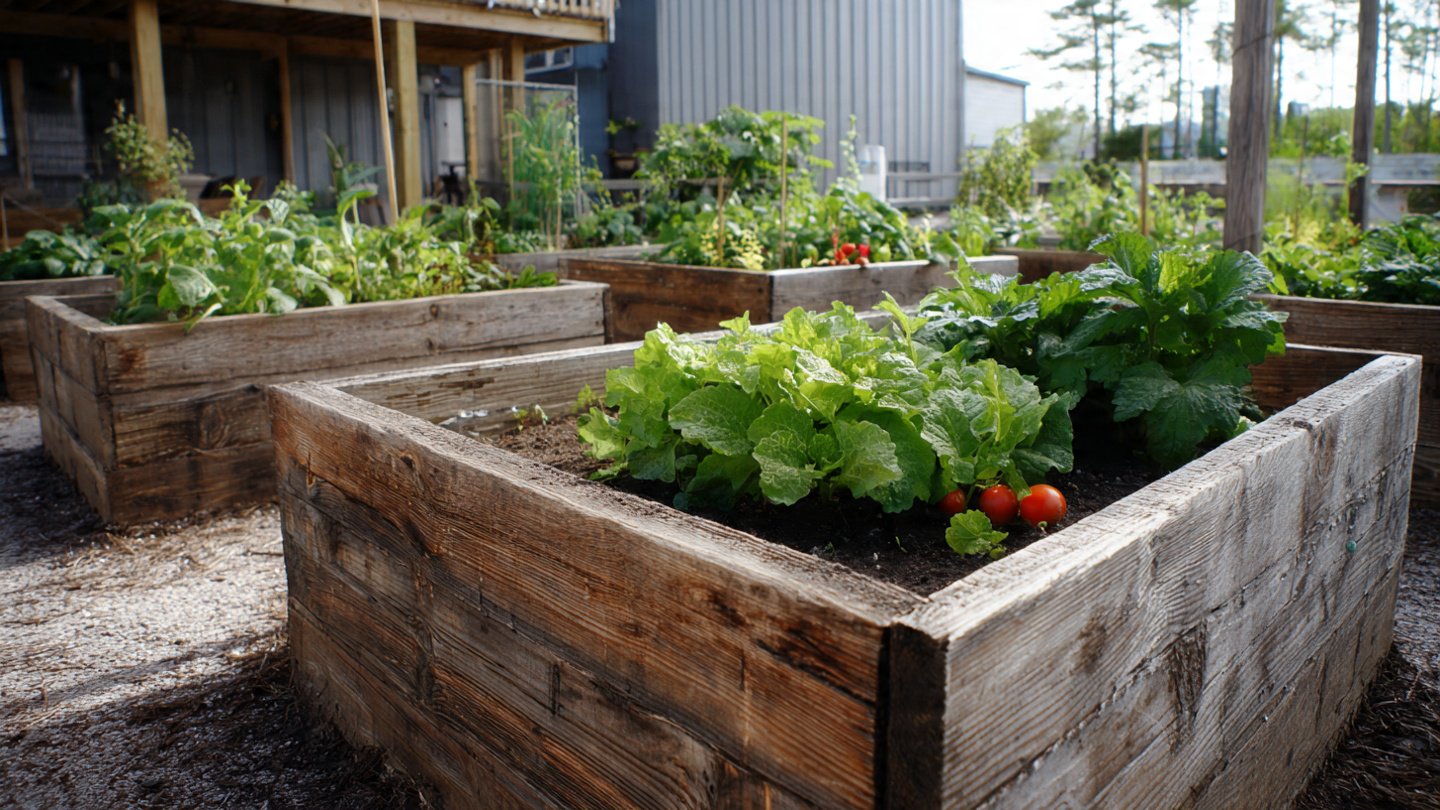
Raised vegetable beds are a gardener’s dream: they improve soil drainage, reduce weed growth, and make planting, harvesting, and maintenance easier. Many gardeners instinctively think of using treated wood for building these beds because it is durable, long-lasting, and resistant to rot. However, using treated wood for growing your own food can carry hidden risks that could impact both your plants and your health.
In this article, we’ll explore why treated wood is not recommended for raised vegetable beds, what alternatives exist, and how you can build a safe, long-lasting garden bed without compromising your harvest.
What Is Treated Wood?
Treated wood is lumber that has been chemically infused to resist decay, insects, and moisture. The most common types include:
- CCA (Chromated Copper Arsenate) treated wood – Contains arsenic and chromium; widely used before 2003 but now mostly banned for residential purposes.
- ACQ (Alkaline Copper Quaternary) treated wood – Uses copper and a quaternary ammonium compound for protection.
- CA (Copper Azole) treated wood – Another copper-based treatment considered less toxic than CCA.
While these chemicals effectively prolong the life of wood, they pose potential hazards when in contact with edible plants, making them unsuitable for raised vegetable beds.
Health Risks of Using Treated Wood for Vegetables
The biggest concern with treated wood is chemical leaching. Over time, the protective chemicals in treated wood can seep into the surrounding soil, especially when the soil is acidic or wet. This can introduce toxic substances into the very environment where your food grows.
1. Arsenic Contamination
- Older CCA-treated wood contains arsenic, a known carcinogen.
- Arsenic can accumulate in soil and enter plants such as leafy greens, carrots, and radishes.
- Even small amounts can be harmful over time, particularly for children and pregnant individuals.
2. Copper Overload
- ACQ and CA-treated woods use copper, which is essential in small amounts but toxic in excess.
- High copper levels in soil can stunt plant growth, damage roots, and reduce yields.
- Copper toxicity can also affect beneficial soil microorganisms that help plants thrive.
3. Other Chemical Concerns
- Quaternary ammonium compounds in ACQ may persist in soil and affect soil health.
- Chromium, used in CCA, can be carcinogenic if it accumulates in the soil.
In short, your harvest could be contaminated, defeating the purpose of a healthy, home-grown vegetable garden.
Signs That Treated Wood Has Leached Chemicals
It can be difficult to detect chemical contamination in soil without lab testing. However, some signs may indicate excessive chemical exposure:
- Stunted or yellowing plants
- Poor root development
- Slow growth despite proper watering and sunlight
- Uneven germination of seeds
If your raised bed shows these symptoms consistently, the materials you used may be part of the problem.
Why Not Just Line Treated Wood With Plastic?
Some gardeners try to use treated wood safely by lining the interior of the bed with plastic sheeting or pond liners. While this reduces direct contact with soil, it has limitations:
- Lining is rarely perfect; tiny gaps can still allow leaching.
- Plastic can degrade over time due to UV exposure, tearing, or punctures.
- Plastic reduces water drainage and can overheat soil in summer.
Although lining reduces risk, it does not eliminate it completely, so it’s better to avoid treated wood altogether.
Safer Alternatives for Raised Vegetable Beds
There are several safer and eco-friendly alternatives to treated wood that are ideal for vegetable gardens.
1. Untreated Rot-Resistant Wood
- Cedar – Naturally resistant to decay and insects; widely used in raised beds.
- Redwood – Durable and rot-resistant, though more expensive.
- Black Locust – Very hard and long-lasting, often 20+ years.
These woods may cost more initially but are safe for edible crops and last long without chemical treatment.
2. Reclaimed or Salvaged Wood
- Old beams, pallets, or construction lumber can be repurposed safely if they are untreated and chemical-free.
- Be sure to check for previous treatments, paints, or stains before using reclaimed wood.
3. Concrete Blocks or Bricks
- Durable and long-lasting, concrete and bricks do not leach chemicals.
- They also retain heat, which can extend the growing season for certain vegetables.
4. Composite or Plastic Lumber
- Made from recycled plastics or wood-plastic composites, these are chemical-free and highly durable.
- They mimic wood visually and are long-lasting but can be more expensive.
5. Straw Bales or Hay Bales
- For temporary raised beds, straw bales can be planted directly and decompose naturally.
- They are affordable and chemical-free, making them safe for organic gardening.
Additional Tips for Safe Raised Bed Construction
Even when using safe materials, proper construction ensures healthy crops:
- Add a Barrier Between Soil and Wood
- Use untreated landscaping fabric or cardboard at the bottom to reduce soil erosion.
- Avoid Pressure-Treated Wood Near Edible Roots
- Pressure-treated wood may still be okay for ornamental flowers or garden borders but not vegetables.
- Consider Soil Depth
- Most vegetables need 12–18 inches of soil depth; deeper beds reduce root contact with edges and prevent accidental contamination.
- Rotate Crops
- Crop rotation maintains soil health and reduces the risk of nutrient depletion.
- Test Soil Periodically
- For peace of mind, test soil every few years for heavy metals like arsenic, copper, and chromium.
Environmental Considerations
Avoiding treated wood is also better for the environment:
- Chemicals in treated wood can leach into water systems if your garden has drainage or if it rains heavily.
- Untreated or natural woods are biodegradable at the end of their life cycle.
- Choosing reclaimed wood reduces demand for new lumber and prevents waste.
By choosing safe materials, you are protecting both your food and the ecosystem.
Common Myths About Treated Wood
Many gardeners assume treated wood is fine for raised beds if:
- “It’s old and safe now” – Not true; CCA and other chemicals remain in wood for decades.
- “Vegetables won’t absorb chemicals” – Wrong; leafy greens and root vegetables are particularly prone to contamination.
- “I’ll just line it with plastic” – As mentioned, lining reduces but does not eliminate risk.
Safe gardening requires awareness and caution.
Final Thoughts
Using treated wood for raised vegetable beds may seem convenient and cost-effective initially, but the long-term health risks and soil contamination make it a poor choice for edible crops. Chemicals like arsenic, copper, and chromium can leach into soil and compromise both plant growth and human health.
Instead, consider untreated rot-resistant wood, reclaimed wood, concrete, or plastic lumber for constructing your raised beds. These alternatives are safe, durable, and often just as attractive as treated wood.
By choosing the right materials, you can enjoy the benefits of raised vegetable beds—better soil, improved drainage, and higher yields—without putting yourself or your family at risk.
Safe gardening begins with smart material choices, and avoiding treated wood is one of the simplest and most important decisions you can make for a healthy, productive garden.