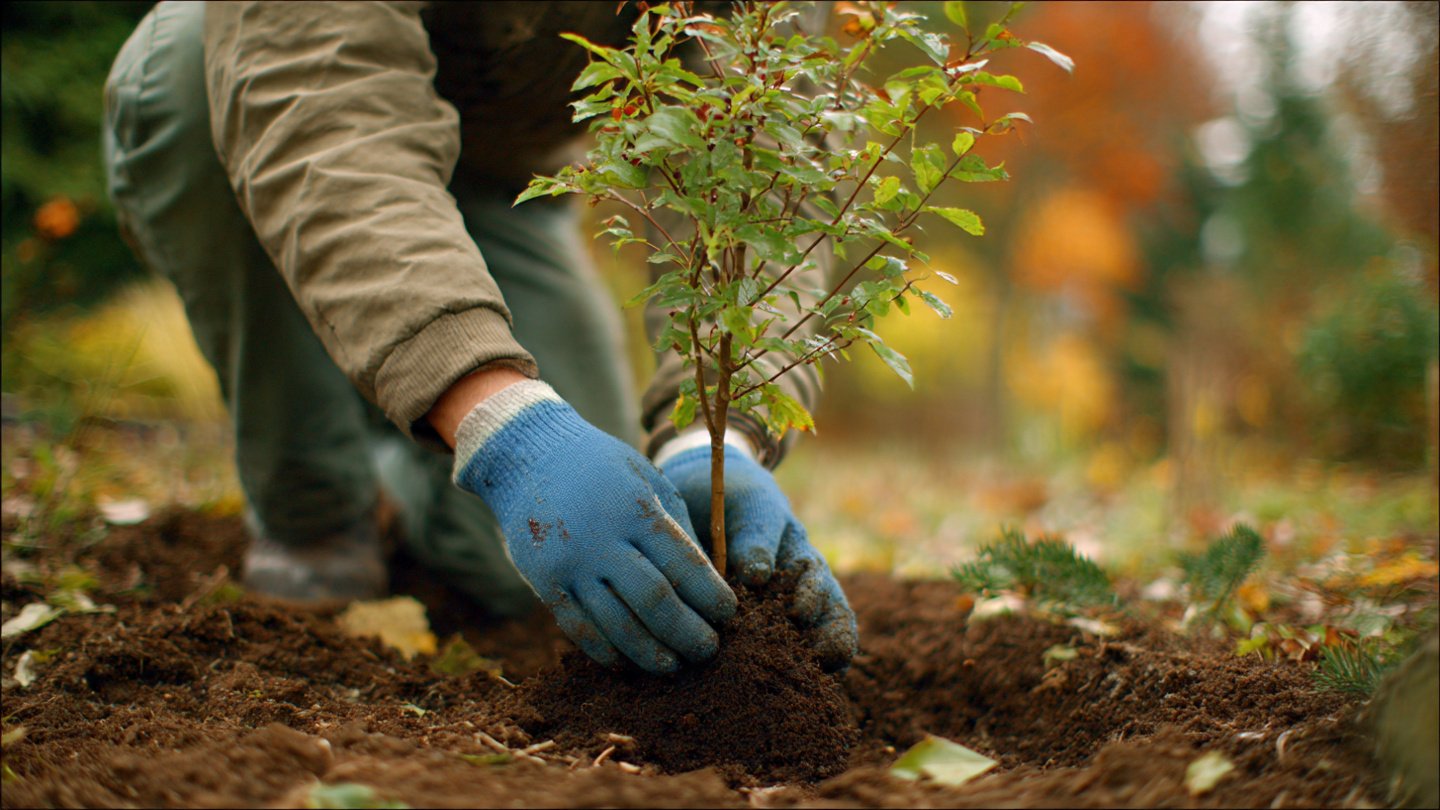
Trees add beauty, shade, and value to a property, so it’s no surprise that many homeowners plant them close to their houses. A well-placed tree can cool your home in summer, improve curb appeal, and create a peaceful outdoor environment. However, planting the wrong tree—or placing it too close to your home—can quietly create long-term problems that are expensive, dangerous, and difficult to fix.
While trees often seem harmless when young, their mature size, root systems, and maintenance needs are frequently underestimated. What begins as a landscaping improvement can turn into foundation damage, plumbing issues, roof hazards, or safety concerns years later. Understanding the risks before planting can save you thousands of dollars and a great deal of stress.
The Hidden Danger of Aggressive Root Systems
One of the most common and costly issues caused by trees planted too close to homes is root damage. Tree roots don’t grow straight down; they spread outward, often extending two to three times the width of the tree’s canopy.
Aggressive roots can:
- Crack foundations
- Damage driveways and walkways
- Invade sewer and water lines
- Disrupt underground utilities
Species such as willow, poplar, silver maple, and elm are particularly notorious for invasive root systems. These roots naturally seek moisture, making underground pipes and drains attractive targets. Even small leaks can draw roots in, leading to blockages or broken pipes.
Once roots damage a foundation or plumbing system, repairs are often extensive and costly, sometimes requiring tree removal and structural work.
Trees That Grow Bigger Than You Expect
Another common mistake is planting a tree without considering its mature size. Many trees sold at nurseries look manageable when young, but some grow far larger than expected within 10–20 years.
Large trees planted near homes can:
- Overhang roofs
- Press against siding
- Block gutters
- Drop heavy branches during storms
Trees like oak, sycamore, cottonwood, and eucalyptus can become massive, both above and below ground. As they mature, their expanding trunks and branches can cause physical damage to buildings, especially in windy or storm-prone areas.
The cost of ongoing pruning or eventual removal often outweighs the benefits of planting such trees too close to a structure.
Foundation Damage Isn’t Always Immediate
One of the most dangerous aspects of tree-related damage is that it often happens slowly and invisibly. Roots can alter soil moisture levels around foundations, causing soil to expand or contract.
In clay-heavy soils, this moisture imbalance can lead to:
- Cracks in walls and floors
- Uneven settling of the foundation
- Doors and windows sticking or misaligning
Trees that require large amounts of water, such as birch or willow, can significantly dry out soil during hot months. When the soil shrinks, foundations may shift. Over time, this movement can compromise structural integrity.
Falling Branches and Storm Risks
Trees near homes increase the risk of damage during storms. Even healthy trees can lose limbs in high winds, heavy rain, or snow.
Large branches falling on:
- Roofs
- Cars
- Power lines
- Outdoor structures
can cause serious damage and safety hazards. Certain species, such as Bradford pear, silver maple, and eucalyptus, are known for brittle wood that breaks easily under stress.
In extreme cases, entire trees may uproot during storms, especially if roots are shallow or soil becomes waterlogged. This can lead to catastrophic damage and personal injury.
Fire Risk in Certain Climates
In dry or wildfire-prone regions, planting trees close to your home can increase fire risk. Some trees contain highly flammable oils or produce large amounts of dry debris.
High-risk trees include:
- Eucalyptus
- Pine
- Juniper
- Cypress
When planted near buildings, these trees can act as fuel during a wildfire, allowing flames to spread quickly to structures. Overhanging branches, dry needles, and leaf litter increase vulnerability.
Fire-wise landscaping recommends keeping flammable trees at a safe distance from homes and maintaining defensible space to slow fire spread.
Pest and Wildlife Problems
Trees planted close to homes can unintentionally invite pests and wildlife. Overhanging branches provide easy access for rodents, insects, and other animals to reach roofs and attics.
Common issues include:
- Squirrels nesting in attics
- Ants and termites using branches as bridges
- Birds clogging gutters and vents
Fruit-bearing trees can also attract insects, raccoons, and rodents, creating sanitation and noise problems. Once pests gain access to a home, removal and repairs can become ongoing challenges.
Maintenance Costs Add Up Over Time
Trees near homes often require more frequent maintenance to prevent damage. Regular pruning, root management, and cleanup can become expensive over the years.
Homeowners may face:
- Annual trimming costs
- Gutter cleaning due to leaf buildup
- Roof repairs from falling debris
- Emergency services after storms
In some cases, the tree may eventually need to be removed entirely, which can be costly and disruptive, especially if it has grown large or is close to structures.
Trees That Commonly Cause Problems Near Homes
While not all trees are risky, certain species are more likely to cause issues when planted too close to buildings.
Examples include:
- Willow
- Poplar
- Silver maple
- Bradford pear
- Cottonwood
- Eucalyptus
- Ash
This doesn’t mean these trees are bad choices altogether—only that they require careful placement far from homes, foundations, and utilities.
Safer Alternatives for Planting Near Your Home
If you want the benefits of greenery without the risks, consider smaller or slow-growing trees with non-aggressive root systems.
Safer options often include:
- Japanese maple
- Dogwood
- Redbud
- Crabapple
- Serviceberry
These trees offer beauty, seasonal interest, and manageable growth, making them better suited for planting closer to structures.
How Far Should Trees Be Planted from a House?
As a general guideline:
- Small trees: at least 10–15 feet away
- Medium trees: 20–30 feet away
- Large trees: 40 feet or more
Always consider mature size, root spread, and local soil conditions. When in doubt, more distance is better than less.
Planning Before You Plant
Before planting any tree near your home:
- Research the species thoroughly
- Understand its mature size and root behavior
- Check local building codes and utility locations
- Consider long-term maintenance needs
Consulting a local arborist or extension service can provide valuable, location-specific advice.
Final Thoughts
Trees are a valuable part of any landscape, but planting them too close to your home can carry hidden risks. From root damage and foundation issues to storm hazards and fire concerns, the wrong tree in the wrong place can become a costly problem over time.
Thoughtful planning, proper species selection, and adequate spacing allow you to enjoy the benefits of trees without putting your home at risk. By thinking long-term instead of focusing on immediate appearance, you can create a landscape that is both beautiful and safe for decades to come.