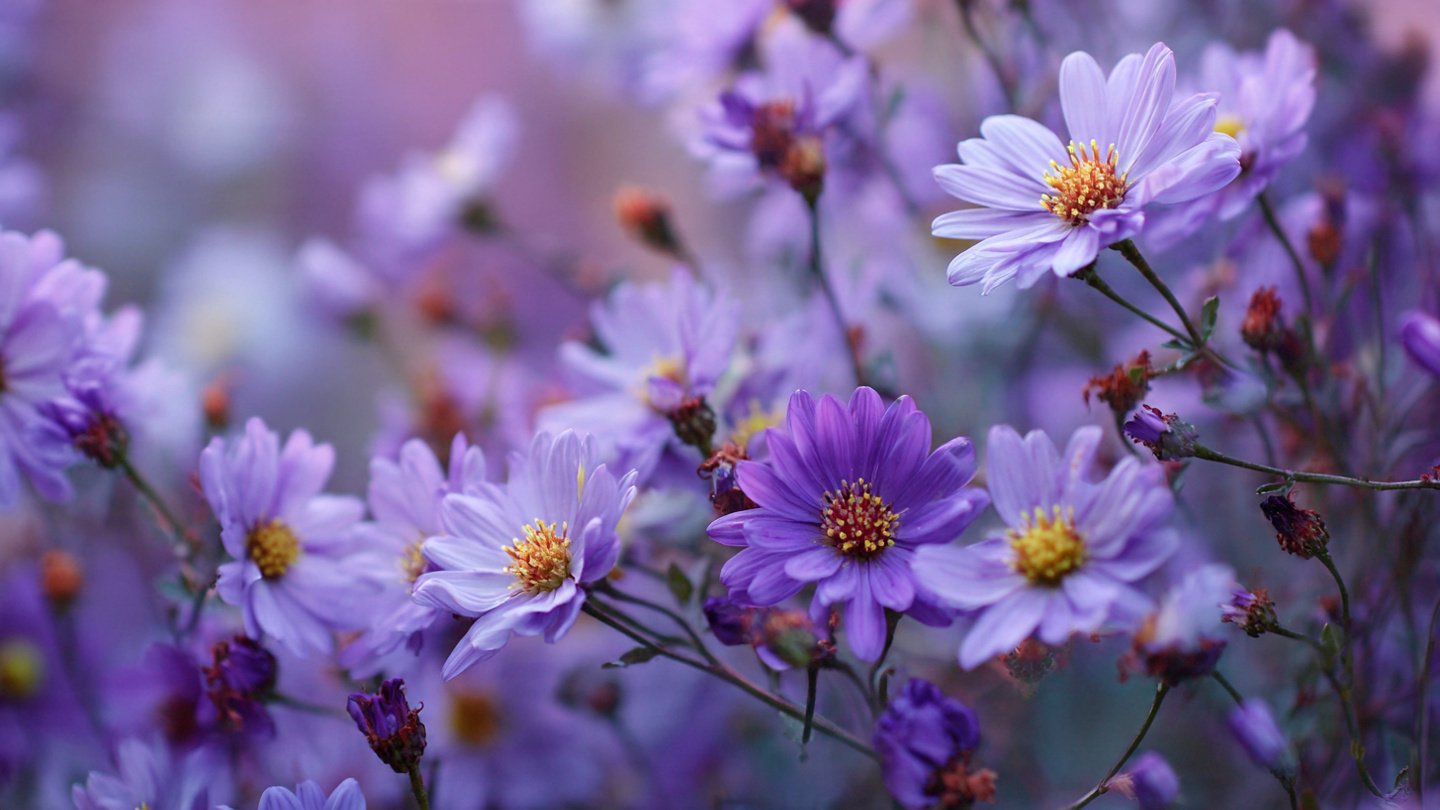
If you’ve noticed your daisy plant’s leaves turning an unusual shade of purple as winter sets in, you’re not alone. Many gardeners experience this phenomenon and often worry that something is seriously wrong with their plants. The truth is, purple leaves in daisies during winter can be caused by a variety of factors—some are natural, while others indicate stress that requires attention. Understanding why this happens will help you care for your daisies properly and ensure they thrive year after year.
1. The Natural Color Shift of Leaves
One reason for purpling in daisy leaves is a natural response to cooler temperatures. Many plants, including daisies, produce pigments called anthocyanins when exposed to cold weather. These pigments are responsible for red, purple, and blue hues in leaves, stems, and flowers.
Why anthocyanins appear:
- Protects leaves from cold damage by acting as a natural “antifreeze.”
- Helps reduce stress from intense sunlight reflected off winter snow or frost.
- Shields the plant from oxidative stress during periods of low temperatures.
In this case, purple leaves are not harmful—they are simply a sign that your daisy is responding to seasonal changes. However, it’s important to differentiate this natural process from signs of nutrient deficiency or disease.
2. Phosphorus Deficiency
A more concerning cause of purple leaves in daisies is a lack of phosphorus. This essential nutrient supports root development, flowering, and overall plant energy production. When phosphorus is deficient, plants may develop a purplish tint on older leaves, especially during colder months when nutrient uptake slows.
Signs of phosphorus deficiency:
- Leaves turning purple primarily on the underside and along the veins.
- Slower growth or stunted appearance.
- Reduced or delayed flowering.
How to fix phosphorus deficiency:
- Test the soil to confirm phosphorus levels.
- Apply a balanced fertilizer with a higher middle number (N-P-K ratio), which represents phosphorus.
- Work the fertilizer into the soil gently to prevent root damage.
Addressing phosphorus deficiency promptly will help your daisy maintain healthy growth and vibrant blooms.
3. Cold Stress and Temperature Fluctuations
Daisies are hardy, but sudden temperature drops or prolonged exposure to cold can stress the plant, leading to purple leaves. Cold stress affects the plant’s metabolism and reduces its ability to absorb nutrients efficiently.
Tips to protect daisies from cold stress:
- Mulch around the base of the plant to insulate roots.
- Move potted daisies indoors or to a sheltered location if possible.
- Cover garden daisies with frost cloths or lightweight blankets during extreme cold nights.
By providing extra protection, you reduce stress and prevent further purpling caused by cold damage.
4. Sunlight and Photosynthesis Imbalance
During winter, shorter days and weaker sunlight can affect photosynthesis, the process by which plants convert light into energy. When light is limited, plants may produce more anthocyanins, resulting in purple leaves. This is often a temporary response and not a cause for alarm, but prolonged low-light conditions can affect overall plant health.
Solutions to improve light conditions:
- Place potted daisies near a sunny window or under grow lights.
- Trim nearby plants that may cast excessive shade.
- Rotate pots periodically to ensure even light distribution.
Enhancing light exposure during winter helps the plant maintain healthy green leaves while still allowing for its natural seasonal color changes.
5. Overwatering or Poor Drainage
Winter often brings wetter conditions, and overwatering or poorly drained soil can stress daisy plants, causing leaves to change color. Excess moisture can suffocate roots, reduce nutrient uptake, and trigger a purplish tint as a stress response.
How to manage watering and drainage:
- Check soil moisture before watering—only water when the top inch of soil feels dry.
- Ensure pots have drainage holes, and garden beds have well-draining soil.
- Consider raising garden beds slightly to prevent waterlogging.
Proper water management not only prevents leaf discoloration but also reduces the risk of root rot and other fungal diseases.
6. Disease and Pest Pressure
Though less common, certain diseases and pests can cause purpling in daisy leaves. Fungal infections, bacterial problems, or insect activity can stress the plant and trigger pigment changes.
Signs to watch for:
- Spots, mold, or powdery coatings on leaves.
- Wilting, curling, or unusual leaf texture.
- Presence of aphids, mites, or other pests.
Treatment options:
- Remove affected leaves and dispose of them properly to prevent spread.
- Use appropriate fungicides or insecticidal soaps as needed.
- Maintain good air circulation and avoid overcrowding plants.
Monitoring your plants regularly helps detect early signs of disease and keeps your daisies healthy throughout the winter.
7. Soil pH Imbalance
Soil pH affects nutrient availability, and if your soil is too acidic or alkaline, daisies may struggle to absorb phosphorus and other essential minerals, resulting in purple leaves.
How to check and adjust soil pH:
- Use a soil test kit to measure pH levels.
- Daisies prefer slightly acidic to neutral soil (pH 6.0–7.0).
- Amend soil with lime to raise pH or sulfur to lower it, depending on the test results.
Balancing soil pH ensures that your daisy can absorb nutrients effectively, preventing nutrient-related purpling.
8. Choosing the Right Daisy Variety
Some daisy varieties are more tolerant of cold and seasonal pigment changes than others. While common garden daisies like Shasta daisies may show purple leaves under stress, others may remain green. Selecting hardy, winter-tolerant varieties can reduce the frequency of purpling and ensure a more consistent appearance.
Recommended hardy varieties:
- Shasta Daisy (Leucanthemum × superbum) – hardy in most climates.
- English Daisy (Bellis perennis) – tolerates cooler temperatures well.
- Montauk Daisy (Nipponanthemum nipponicum) – blooms late in the season and is cold-resistant.
Choosing the right variety for your climate can prevent stress-related issues and reduce winter leaf discoloration.
9. How to Care for Winter Daisies
Understanding why leaves turn purple is only part of the solution. Proper winter care ensures your daisies survive the cold months and emerge healthy in spring.
Winter care tips:
- Mulch with straw, bark, or compost to insulate roots.
- Avoid heavy pruning until spring, as leaves provide energy for overwintering.
- Water sparingly but consistently, adjusting for rainfall and temperature.
- Fertilize lightly in early winter with a phosphorus-rich, slow-release fertilizer.
- Monitor for pests or disease and treat early if needed.
By combining preventive care with environmental awareness, you can help your daisies thrive even under winter stress.
10. When to Seek Help
While purple leaves are often harmless or a natural seasonal response, persistent discoloration accompanied by wilting, stunted growth, or extensive leaf loss may indicate a more serious problem. In such cases, consult a local gardening expert or extension service to diagnose the issue. Early intervention can save your plants and prevent long-term damage.
Conclusion
Purple leaves on daisies during winter are a common and often harmless phenomenon, frequently caused by cold temperatures and natural pigment changes. However, nutrient deficiencies, soil imbalances, water stress, disease, and inadequate light can also contribute. By understanding the underlying causes and providing attentive care, gardeners can maintain healthy, vibrant daisies throughout the colder months.
Maintaining proper soil nutrition, ensuring well-draining conditions, protecting plants from extreme cold, and monitoring for pests and disease are key steps in preserving daisy health. With careful attention, your winter daisies can survive the season and emerge strong and blooming in spring, proving that even in the quietest, coldest months, life and beauty continue to thrive.
A little observation, preventive care, and understanding of seasonal plant behavior go a long way in nurturing healthy daisies. Purple leaves, in most cases, are not a sign of failure—they’re simply a part of your plant’s natural response to winter. By adapting your gardening techniques to meet seasonal challenges, you can enjoy a thriving, colorful garden year-round.