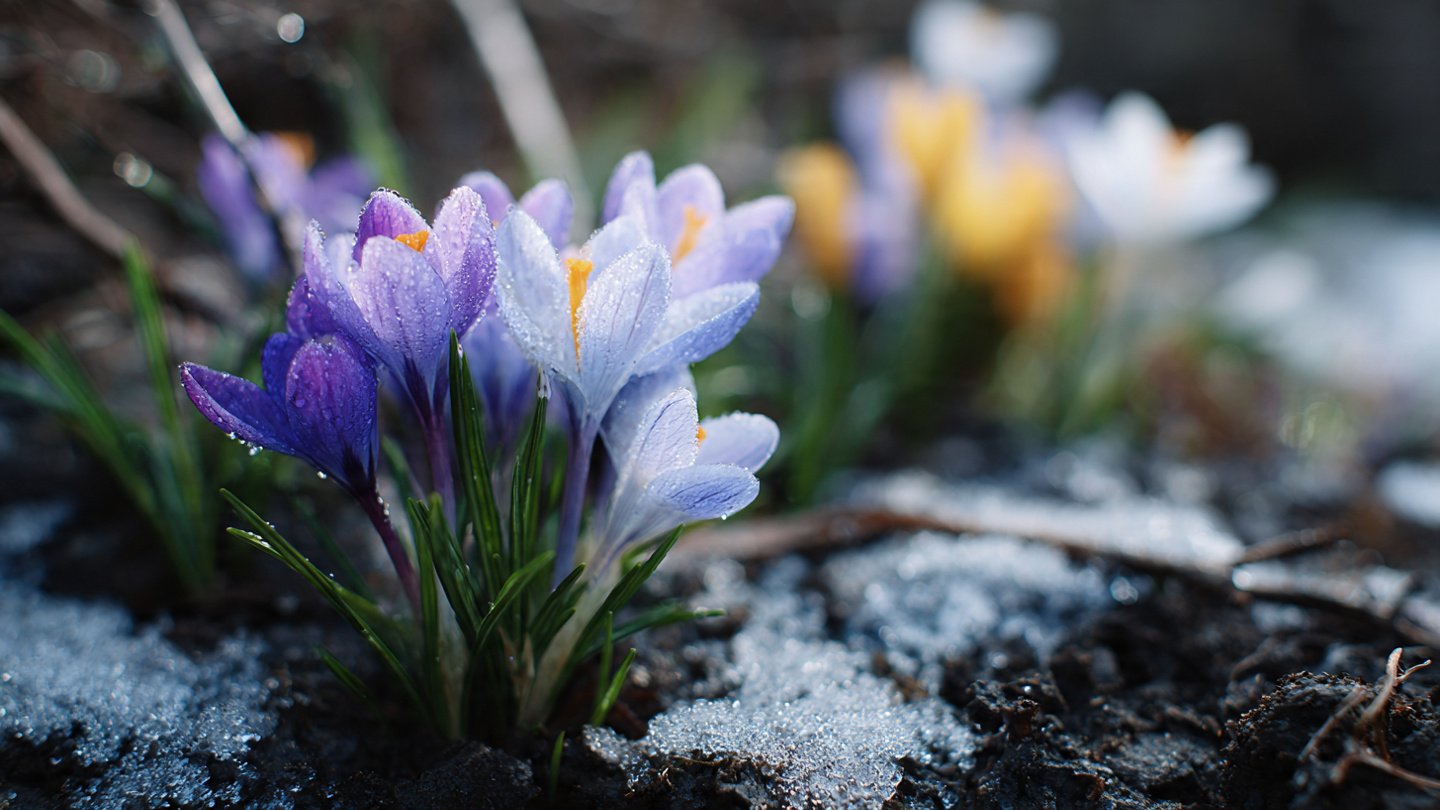
There’s something magical about the first signs of spring—the colorful blooms, the fragrant flowers, and the sense of renewal. But what if you could bring that magic into the heart of winter, when frost still grips the garden and the landscape is bare? For gardeners craving early color, forcing spring bulbs to bloom indoors during winter is an exciting and achievable endeavor. With careful planning, the right bulbs, and some simple techniques, you can enjoy tulips, daffodils, hyacinths, crocuses, and more, even when snow blankets the ground outside.
Understanding the Science Behind Forcing Bulbs
To coax bulbs into flowering early, you need to understand their natural growth cycle. Spring-flowering bulbs such as tulips, daffodils, hyacinths, and crocuses require a period of cold dormancy, called vernalization, to trigger flowering. In nature, bulbs spend the winter months underground in cold soil, which signals that it is safe to grow when temperatures rise in spring.
By mimicking this cold period indoors, gardeners can trick bulbs into thinking winter is over and induce early flowering. Essentially, forcing bulbs is a matter of replicating winter conditions and then providing warmth and light to stimulate growth.
Choosing the Right Bulbs
Not all bulbs are suitable for winter forcing. Some are better adapted for indoor growth and respond quickly to cold treatment. Common bulbs for indoor winter blooms include:
- Tulips – Available in a wide variety of colors and sizes, tulips are perfect for forcing indoors. Early-blooming varieties like ‘Apeldoorn’ or ‘Princess Irene’ work well.
- Daffodils (Narcissus) – Bulbs like ‘Tête-à-Tête’ and ‘Carlton’ bloom reliably indoors and often carry a pleasant fragrance.
- Hyacinths – Known for their rich scent and dense flower spikes, hyacinths make a striking indoor display.
- Crocuses – Smaller but colorful, crocuses can bloom in pots or bulb dishes and are relatively easy to force.
- Snowdrops and Muscari (Grape Hyacinths) – Great for smaller containers and compact arrangements.
Tip: Choose large, healthy bulbs without blemishes or soft spots. Bigger bulbs generally produce stronger, more vibrant flowers.
Preparing Bulbs for Forcing
Step 1: Chilling
Most spring bulbs require a cold period of 10–14 weeks at temperatures between 35–48°F (2–9°C) to break dormancy. There are two main methods to chill bulbs:
- Refrigerator Method: Place bulbs in a paper bag or a ventilated container in the fridge. Avoid storing them near fruits, especially apples, which emit ethylene gas that can damage bulbs.
- Outdoor Cold Storage: If temperatures outside are consistently cold but above freezing, bulbs can be left in a garden bed or cold frame until ready to force indoors.
Tip: Keep the bulbs in the dark during chilling. Exposure to light may trigger premature sprouting.
Step 2: Choosing the Right Container
Once chilling is complete, select a container that suits your bulbs. Options include:
- Pots or Planters: Ideal for tulips, daffodils, and hyacinths. Make sure the container has drainage holes.
- Bulb Dishes or Shallow Bowls: Perfect for hyacinths and smaller bulbs like crocuses.
- Glass Forcing Vases: Designed for bulbs like hyacinths, allowing you to grow them in water, which can reduce mess and accelerate growth.
Step 3: Planting Bulbs
- Use well-draining potting soil mixed with some sand or perlite.
- Place the bulb with its pointed tip facing upward.
- Position multiple bulbs close together for a fuller display.
- Cover the bulbs with soil, leaving the tips just beneath the surface.
- Water lightly—moist soil is important, but overwatering can cause rot.
Tip: For glass vases, add water just below the base of the bulb so the roots can reach it without submerging the bulb itself.
Creating the Ideal Indoor Environment
After chilling, bulbs need a warm environment to stimulate growth and flowering. Here’s how to set them up:
- Temperature: Keep bulbs at 60–70°F (15–21°C). Too much heat can shorten bloom time, while too cold can delay flowering.
- Light: Place bulbs near a sunny window or under grow lights for 12–16 hours a day. Adequate light ensures strong, upright stems.
- Watering: Water when the soil begins to dry. Bulbs prefer moist but not soggy conditions.
- Support: Taller bulbs like tulips may need stakes or small supports to prevent bending.
Tip: Rotate pots every few days to encourage even growth and prevent stems from leaning toward the light.
Caring for Forced Bulbs
Once your bulbs start to grow, a few key steps can ensure longer-lasting flowers:
- Remove spent flowers promptly – This directs the bulb’s energy into leaves and roots, which is important if you plan to replant the bulb next season.
- Maintain humidity – Indoor air can be dry in winter. Use a humidity tray or mist leaves occasionally.
- Avoid drafts – Keep bulbs away from heating vents or cold drafts, which can stress plants and shorten bloom duration.
Forced bulbs typically bloom for 2–4 weeks, depending on the variety. Hyacinths can last longer, offering a fragrant centerpiece for your home.
Reusing Bulbs After Forcing
Many gardeners wonder if they can reuse bulbs after forcing. While some bulbs can be replanted outdoors, they may not bloom as reliably the next year because energy has been depleted. Here’s how to handle post-bloom bulbs:
- Allow leaves to die naturally – The leaves gather energy for the bulb. Never cut them off while green.
- Dry and store – After leaves have yellowed, remove bulbs from soil, brush off dirt, and store in a cool, dry place.
- Replant outdoors – Plant bulbs in the garden in fall for natural spring blooms. Some bulbs may flower again, while others may take a year to recover.
Creative Ideas for Winter Bulb Displays
- Mixed Arrangements: Combine tulips, daffodils, and hyacinths in a single container for a vibrant indoor bouquet.
- Bulb Terrariums: Use glass containers layered with stones, moss, and soil for a decorative effect.
- Holiday Gifts: Forced bulbs in pots make thoughtful winter gifts that bring color and fragrance to recipients’ homes.
- Windowsill Gardens: Arrange multiple pots along a sunny window to create a mini indoor spring garden.
Troubleshooting Common Problems
Even experienced gardeners encounter challenges when forcing bulbs:
- Bulbs sprouting but not flowering: Often caused by insufficient chilling or light. Ensure bulbs receive at least 10–14 weeks of cold and adequate sunlight.
- Weak, leggy growth: Usually a result of low light or excessive heat. Move bulbs to a brighter location and maintain moderate temperatures.
- Rotting bulbs: Overwatering or poor drainage is the culprit. Ensure proper drainage and water sparingly.
- Faded or prematurely dying flowers: Keep bulbs away from direct heat sources and drafts to extend bloom longevity.
Conclusion
Forcing spring bulbs in the heart of winter is a rewarding way to bring life and color into your home during the coldest months. By understanding the natural growth cycle of bulbs, selecting the right varieties, providing a proper chilling period, and creating a warm, well-lit indoor environment, you can enjoy the beauty of tulips, daffodils, hyacinths, and more, even in January or February.
With a little planning and patience, you can transform your winter space into a vibrant spring haven, experiencing the joy of early blooms while the rest of the world waits for snow to melt. Winter forcing is not just a gardening technique—it’s a celebration of nature’s resilience, creativity, and the simple pleasure of bringing flowers indoors when they are most unexpected.