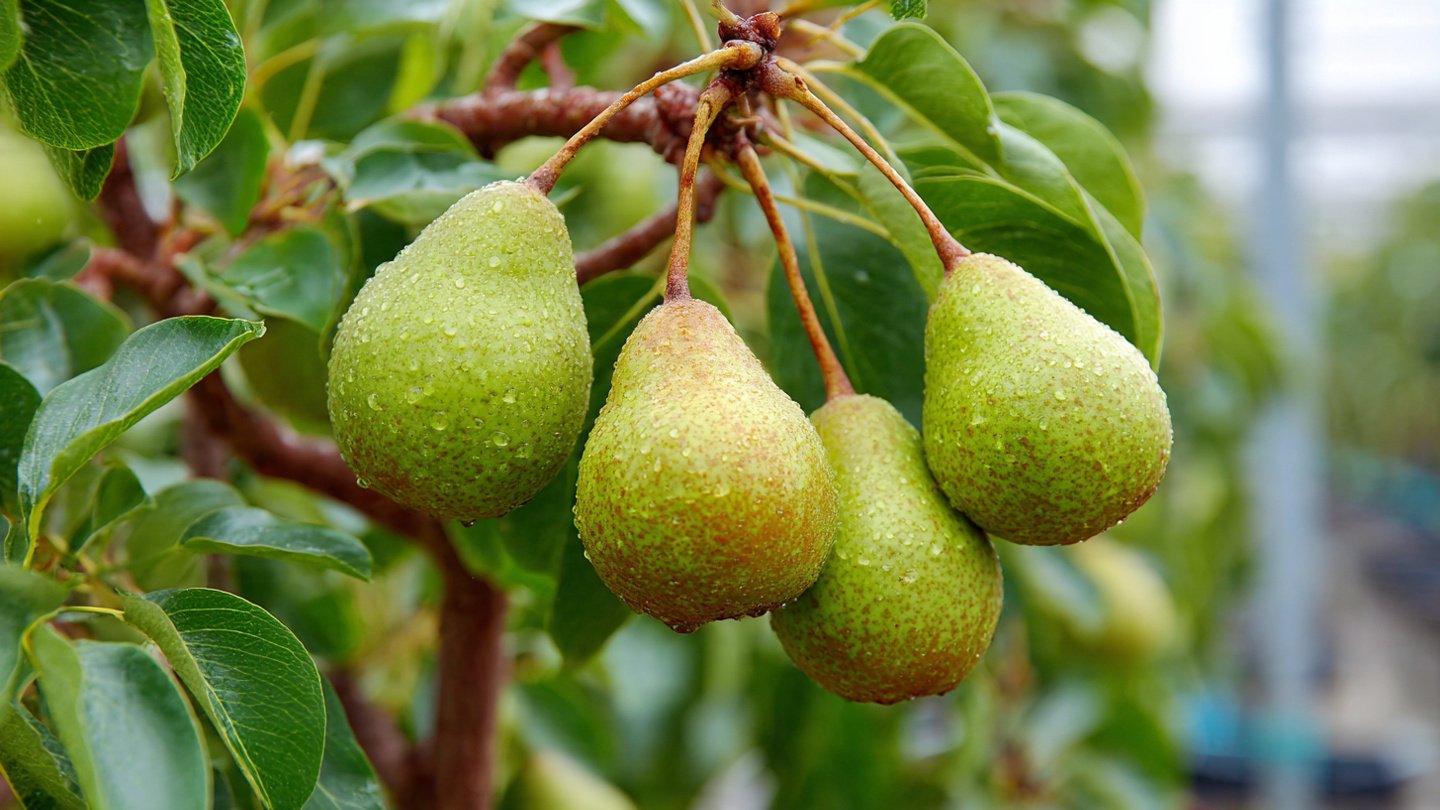
Growing pears has traditionally required space, patience, and a fair amount of pruning expertise. For many home gardeners, especially those living in urban or suburban areas, the idea of growing juicy, high-quality pears has often felt unrealistic. However, modern horticulture has introduced an innovative solution that is changing the way people grow fruit: miniature columnar pear trees.
These compact, upright-growing trees are quickly becoming the key to growing juicy pears in limited spaces. With their unique growth habit, efficient use of energy, and ease of care, miniature columnar trees are redefining pear cultivation for gardeners in 2026 and beyond.
Understanding Miniature Columnar Pear Trees
Miniature columnar pear trees are specially bred fruit trees that grow in a narrow, vertical form rather than spreading outward like traditional pear trees. Instead of developing long horizontal branches, they produce short fruiting spurs close to the central trunk.
Typically reaching heights of 6 to 10 feet while staying just 1 to 3 feet wide, these trees are ideal for small gardens, patios, balconies, and even large containers. Despite their compact size, they are capable of producing full-sized, flavorful pears.
Why Tree Structure Matters for Fruit Quality
The secret to juicy pears lies in how a tree distributes its energy. Traditional pear trees invest a lot of resources into growing branches and leaves. Miniature columnar trees, on the other hand, channel more of their energy into fruit production.
Because fruiting spurs grow close to the trunk:
- Nutrients travel shorter distances
- Water is used more efficiently
- Sugars concentrate more evenly in the fruit
This efficient energy use results in pears that are not only juicy but also well-shaped and consistently flavored.
Perfect Sunlight Exposure for Better Pears
Sunlight is a critical factor in fruit sweetness. Miniature columnar trees excel in this area because of their upright structure. Their narrow shape allows sunlight to reach almost every leaf and fruit cluster evenly throughout the day.
Unlike traditional trees, where inner branches may be shaded, columnar trees ensure:
- Better photosynthesis
- Higher sugar content in pears
- Reduced risk of fungal diseases caused by poor airflow
More sunlight directly translates into sweeter, juicier pears at harvest time.
Easier Pruning Leads to Healthier Fruit
Pruning is essential for pear trees, but it can be intimidating for beginners. One of the biggest advantages of miniature columnar trees is how little pruning they require.
Most pruning involves:
- Removing damaged or dead spurs
- Light shaping to maintain the vertical form
- Occasional thinning of fruit for size improvement
Because the structure is naturally compact, gardeners can focus on fruit quality rather than controlling excessive growth. Healthier trees mean better water uptake, stronger roots, and more succulent pears.
Ideal for Container Growing and Urban Spaces
Miniature columnar pear trees thrive in containers, making them perfect for city dwellers. Container gardening allows better control over soil quality, moisture, and nutrients—three essential elements for juicy pears.
When grown in containers:
- Roots stay slightly restricted, encouraging fruit production
- Soil moisture can be monitored more closely
- Fertilizers are absorbed more efficiently
This level of control results in pears with excellent texture and juiciness, even when grown on balconies or rooftops.
Faster Fruit Production Compared to Traditional Trees
One of the most exciting benefits of miniature columnar pear trees is how quickly they begin producing fruit. While traditional pear trees may take five to seven years to bear significant harvests, columnar varieties often produce pears within two to three years.
This early fruiting occurs because the trees are bred to prioritize reproductive growth over excessive foliage. Faster production means:
- Earlier enjoyment of fresh pears
- Less waiting time for gardeners
- Higher motivation to maintain proper care
Efficient Water Use for Juicier Pears
Juicy pears require consistent and well-managed watering. Miniature columnar trees are naturally efficient with water due to their compact root systems.
Their advantages include:
- Reduced water loss through excess foliage
- Better moisture retention in container or raised-bed soil
- Less stress during hot or dry periods
When trees experience less water stress, the fruit develops with higher water content and improved texture, resulting in tender, juicy pears.
Better Pollination in Small Spaces
Pollination is often overlooked, but it plays a major role in fruit quality. Miniature columnar pear trees are easier to position close together, improving cross-pollination when compatible varieties are planted nearby.
Many gardeners grow two or more columnar trees side by side, which:
- Increases fruit set
- Improves fruit size and shape
- Enhances overall yield
Better pollination leads to evenly developed pears with higher juice content.
Disease Resistance and Improved Airflow
Thanks to their slim profile, miniature columnar trees have excellent air circulation. Good airflow reduces moisture buildup on leaves and fruit, lowering the risk of common pear diseases such as fire blight and fungal infections.
Healthier trees can dedicate more resources to fruit development rather than disease recovery. This directly impacts pear quality, resulting in cleaner, firmer, and juicier fruit.
Low-Maintenance Trees for Consistent Results
Consistency is key when growing high-quality fruit. Miniature columnar pear trees are relatively low-maintenance, making it easier for gardeners to provide consistent care.
With fewer branches to manage and less pruning required, gardeners are more likely to:
- Maintain regular watering schedules
- Apply fertilizers correctly
- Monitor pests and diseases early
Consistent care leads to consistent results—juicy pears year after year.
Sustainability and Modern Gardening Trends
In 2026, sustainable gardening practices are more important than ever. Miniature columnar pear trees align perfectly with modern eco-friendly trends.
They require:
- Less land
- Less water
- Fewer chemical treatments
This efficiency makes them an environmentally responsible choice for home fruit production, while still delivering delicious, juicy pears.
Final Thoughts
Miniature columnar trees are revolutionizing pear growing by making it accessible, efficient, and rewarding for gardeners of all skill levels. Their compact structure, excellent sunlight exposure, efficient water use, and low-maintenance care all contribute to what matters most: growing juicy, flavorful pears.
Whether you have a small backyard, a patio, or a sunny balcony, miniature columnar pear trees offer a practical and innovative way to enjoy homegrown fruit. They prove that you don’t need a large orchard to grow exceptional pears—just the right tree.