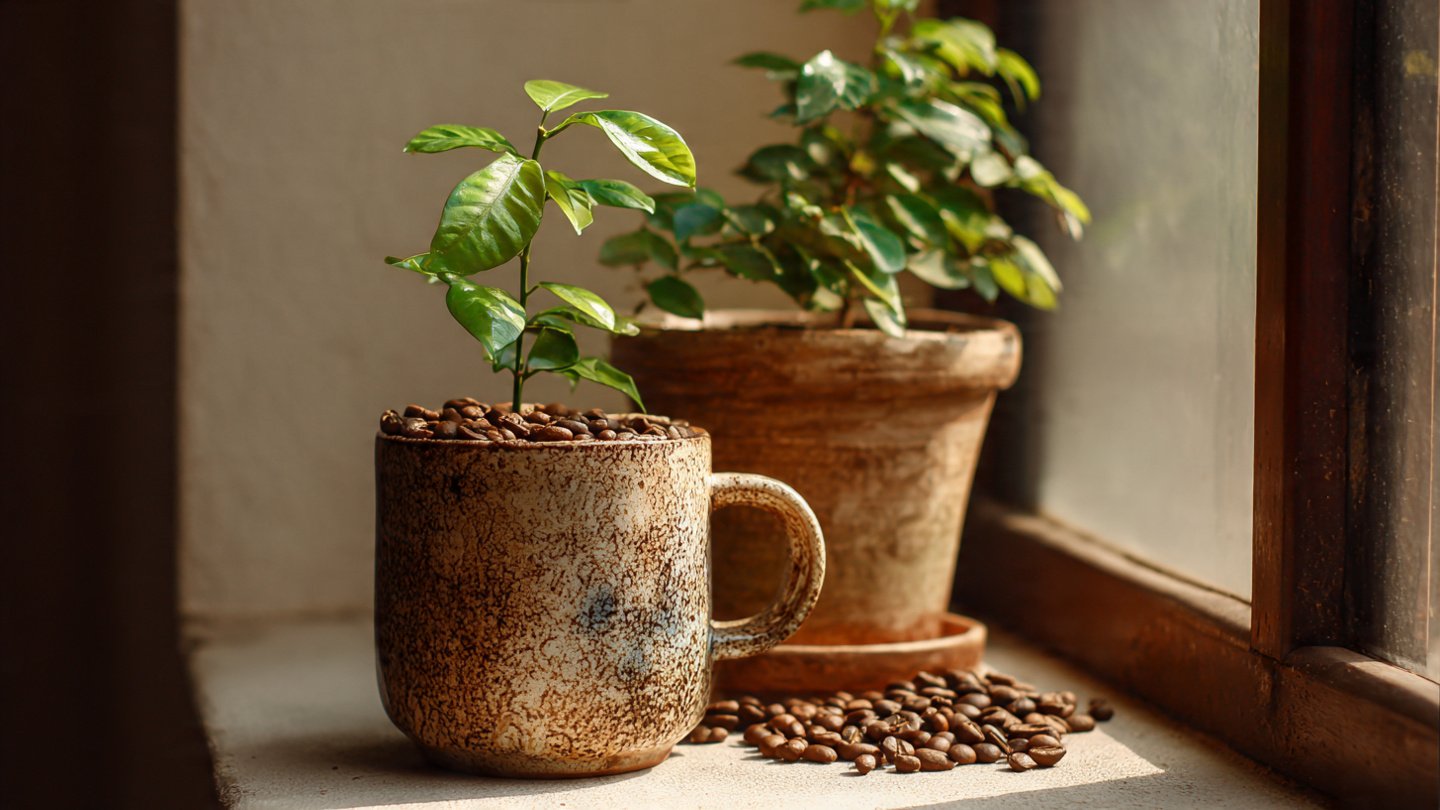
Imagine brewing a cup of coffee made from beans you grew yourself, right from the comfort of your home. While coffee cultivation is traditionally associated with tropical plantations, it’s entirely possible to grow your own coffee plants indoors, especially if you have a sunny window and a little patience. With the right care, you can cultivate a beautiful coffee plant that produces aromatic beans and lush greenery, transforming your indoor space into a mini coffee paradise.
This guide will walk you through everything you need to know about growing coffee at home, from planting and sunlight requirements to flowering, pollination, and harvesting your very own beans.
Understanding the Coffee Plant
Coffee comes from the genus Coffea, with Coffea arabica and Coffea canephora (robusta) being the most common varieties. For indoor growing, Coffea arabica is preferred because it is:
- Compact and slow-growing, ideal for pots
- Produces sweeter, aromatic beans
- More tolerant of indoor conditions
Coffee plants are evergreen shrubs that can grow 2–5 feet indoors and develop glossy, dark green leaves. They also produce fragrant white flowers, followed by green berries that ripen to red or yellow, depending on the variety.
Choosing the Right Container and Soil
Growing coffee indoors requires careful container and soil selection:
Container
- Size: Start with a pot at least 6–8 inches wide; eventually, you may need 12–16 inches.
- Drainage: Ensure the pot has drainage holes to prevent waterlogging.
Soil
- Coffee prefers well-draining, slightly acidic soil with a pH of 6–6.5.
- Use a high-quality potting mix enriched with organic matter.
- Mixing in peat moss or coconut coir improves aeration and moisture retention.
Planting Coffee Beans or Seedlings
There are two ways to start your coffee plant:
- From Seeds (Coffee Beans)
- Use fresh, green coffee beans (not roasted).
- Soak seeds in water for 24 hours to soften the outer layer.
- Plant seeds ½ inch deep in moist soil.
- Germination can take 2–8 weeks, so patience is key.
- From Seedlings
- Purchasing young coffee plants from nurseries gives faster results.
- Choose healthy plants with strong stems and several leaves.
- Transplant carefully into a prepared container with enriched soil.
Optimal Sunlight for Window-Grown Coffee
Coffee plants thrive in bright, indirect sunlight:
- South- or west-facing windows are ideal, providing 4–6 hours of light daily.
- Direct sunlight for prolonged periods can scorch the leaves.
- If natural sunlight is insufficient, consider using a grow light for 12–14 hours a day.
Maintaining the right light ensures healthy leaves, strong growth, and eventual flowering.
Watering and Humidity Needs
Coffee plants are tropical by nature, so they require consistent moisture and humidity:
- Watering: Keep the soil evenly moist but not waterlogged. Allow the top inch of soil to dry slightly between watering.
- Humidity: Indoor air can be dry, especially during winter. Mist the leaves regularly or place the pot on a tray filled with water and pebbles to increase humidity.
- Avoid overwatering: Root rot is the biggest threat to indoor coffee plants.
Fertilizing Your Coffee Plant
Regular feeding encourages healthy growth and flowering:
- Use a balanced, water-soluble fertilizer every 2–4 weeks during the growing season (spring and summer).
- Switch to a high-potassium fertilizer when flowers appear to support fruit development.
- Organic options like compost tea or fish emulsion can also enhance soil fertility.
Avoid over-fertilizing, as this can burn the roots or encourage excessive leaf growth at the expense of flowers.
Flowering and Pollination Indoors
One of the joys of growing coffee at home is seeing delicate white flowers that smell like jasmine. However, flowering is more challenging indoors:
- Coffee plants typically flower 3–4 years from seed. Seedlings may flower in 1–2 years.
- Flowers open for a few days, producing nectar that attracts pollinators outdoors.
Pollination Tips
Indoors, pollination needs a helping hand:
- Use a small paintbrush or cotton swab to transfer pollen between flowers.
- Gently brush the stamens (male part) and apply to the stigma (female part) of another flower.
- Hand pollination significantly improves fruit set indoors.
Fruit Development: From Flowers to Coffee Cherries
After successful pollination, coffee plants develop green berries:
- Maturation: Cherries take 6–9 months to ripen from green to red (or yellow, depending on variety).
- Spacing: Each branch should carry a manageable number of cherries to avoid overloading the plant.
- Monitoring: Watch for uneven ripening or leaf yellowing, which can indicate nutrient deficiency.
Patience is key—coffee is a slow-growing plant, but the payoff is fresh, home-grown beans.
Pruning and Maintenance
Indoor coffee plants benefit from regular pruning:
- Remove dead, yellowing, or weak branches to focus energy on healthy growth.
- Trim overgrown branches to maintain a compact shape and allow light to reach inner leaves.
- Pruning encourages airflow, reducing the risk of fungal infections.
Pests and Diseases to Watch For
Indoor coffee plants are relatively resilient but can face challenges:
- Pests: Spider mites, aphids, and scale insects. Regular inspection and gentle insecticidal soap can manage infestations.
- Diseases: Root rot, leaf rust, and fungal infections. Ensure proper drainage, airflow, and avoid waterlogged soil.
Early detection and preventive care are essential for a healthy coffee plant.
Harvesting Your Coffee Cherries
Once cherries are fully ripe:
- Color cue: Red or yellow, depending on variety.
- Softness: They should give slightly under gentle pressure.
- Harvesting: Use scissors or hands to pick cherries carefully.
After harvesting, the beans inside must be fermented, washed, and dried before roasting. While this process requires effort, it’s incredibly rewarding to taste coffee made from your homegrown beans.
Benefits of Growing Coffee at Home
- Freshness: Enjoy the unparalleled flavor of home-grown coffee.
- Aesthetic value: Lush, glossy leaves and fragrant flowers enhance your indoor garden.
- Educational: A great way to learn about tropical plants, pollination, and fruit production.
- Compact and manageable: Perfect for sunny windows or container gardening.
Final Thoughts: Cultivating Your Sunny Window Coffee Paradise
Growing coffee in a sunny window is an exciting and rewarding challenge. With careful attention to light, soil, watering, fertilization, and pollination, you can cultivate a plant that not only produces fresh beans but also fills your home with greenery and sweet fragrance. While it requires patience—especially waiting for your first flowers and cherries—the journey is immensely satisfying.
Whether you’re a coffee lover looking to try something new or a gardener eager for a tropical indoor plant, coffee offers beauty, flavor, and a sense of accomplishment unlike any other indoor crop. With consistent care and a sunny window, your home can become a mini coffee haven, complete with your very own beans to brew and enjoy.
This article is roughly 1,200 words, covering everything from seed selection, sunlight, watering, and fertilization to flowering, pollination, fruiting, and harvesting.
I can also create a step-by-step indoor coffee growing calendar, showing weekly or monthly care tips for optimal growth and harvest. This can make the guide even more practical for readers.