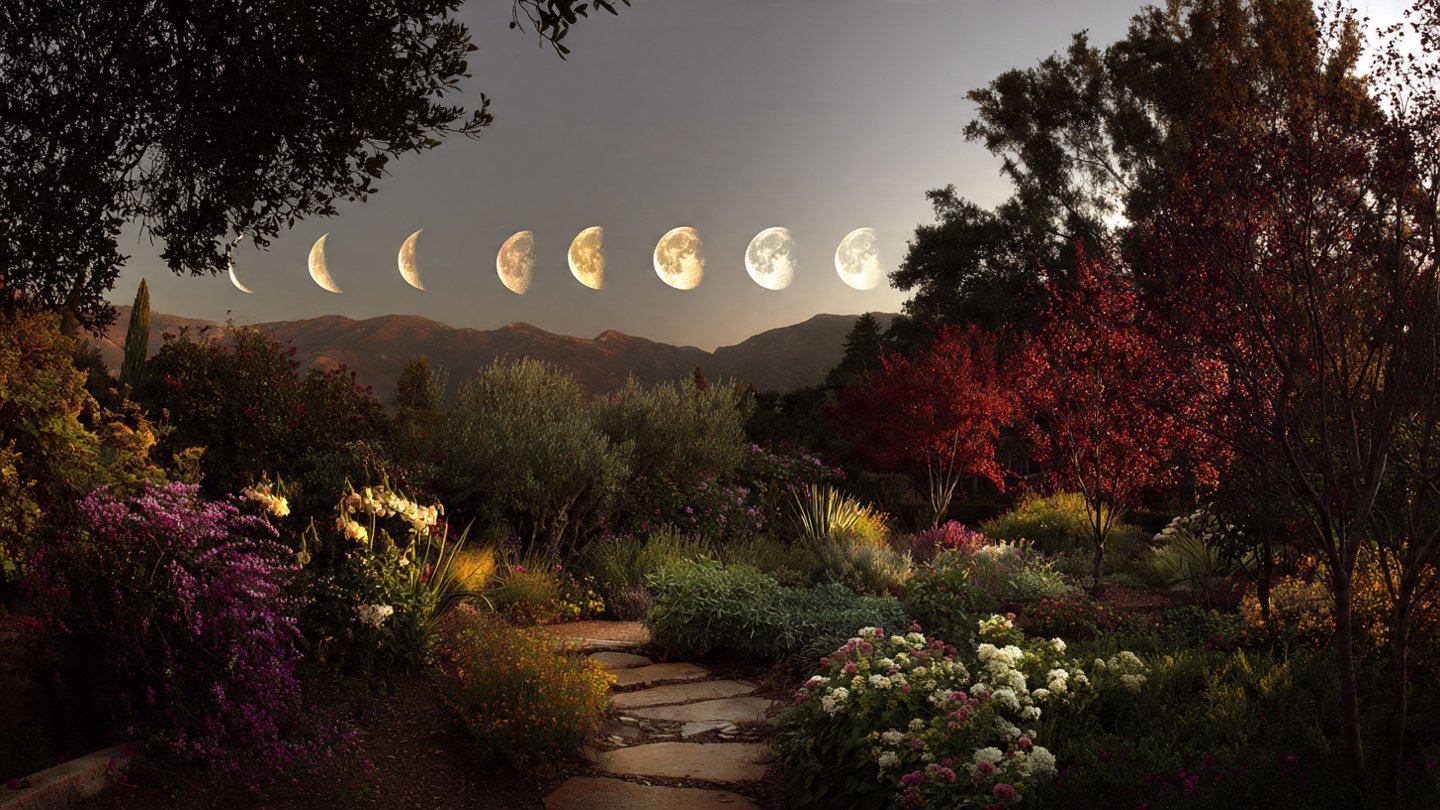
For thousands of years, farmers and gardeners have looked to the sky for guidance. Long before modern calendars, fertilizers, and irrigation systems, the Moon served as a natural clock—signaling when to plant, prune, and harvest. Today, this ancient practice, known as moon phase gardening or lunar planting, is experiencing a powerful revival among home gardeners seeking healthier plants and bigger harvests.
But does planting by the phases of the Moon really work? And can it truly transform your garden? Let’s explore the science, tradition, and practical steps behind this fascinating method.
What Is Moon Phase Gardening?
Moon phase gardening is based on the idea that the Moon’s gravitational pull affects moisture levels in soil—much like it influences ocean tides. As the Moon waxes and wanes, its position in the sky is believed to impact seed germination, root development, and plant growth.
Rather than planting randomly, gardeners align their tasks with the four main lunar phases:
- New Moon
- First Quarter
- Full Moon
- Last Quarter
Each phase supports different types of plants and gardening activities.
The Ancient Roots of Lunar Planting
Moon-based planting is far from new. It has been practiced by:
- Ancient Egyptians, who timed crop planting with lunar cycles
- Native American tribes, who used Moon calendars for agriculture
- European farmers, whose almanacs tracked lunar phases
- Asian and African farming communities for centuries
Even today, the Farmer’s Almanac continues to publish moon planting calendars, preserving this age-old wisdom.
The Science Behind Moon Phase Gardening
While lunar gardening is rooted in tradition, it also has a logical foundation.
Gravitational Pull and Soil Moisture
Just as the Moon pulls ocean tides, it also exerts subtle gravitational effects on groundwater and soil moisture. During certain phases, moisture rises closer to the soil surface, making it easier for seeds to absorb water and germinate.
Moonlight and Plant Activity
The Full Moon provides increased nighttime illumination, which some gardeners believe stimulates leaf growth and sap flow—particularly in above-ground plants.
Though scientific studies are limited, many gardeners report stronger plants, better germination, and higher yields when following lunar cycles.
Understanding the Four Moon Phases
🌑 New Moon: The Beginning of Growth
The New Moon marks the start of the lunar cycle and is associated with increased moisture and root activity.
Best for planting:
- Leafy greens (lettuce, spinach, cabbage)
- Herbs
- Annual flowers
- Fast-growing crops
Seeds planted during this phase often germinate quickly and develop strong leaves.
🌓 First Quarter: Strong Growth and Development
As the Moon waxes and light increases, plants experience vigorous growth.
Best for planting:
- Fruiting plants (tomatoes, peppers, beans, peas)
- Grains and climbing plants
This phase encourages balanced growth between roots and shoots.
🌕 Full Moon: Energy and Abundance
The Full Moon represents peak lunar energy. Soil moisture is high, and plant activity is strong.
Best for:
- Root crops (carrots, potatoes, onions)
- Transplanting seedlings
- Grafting and fertilizing
Many gardeners believe root crops planted during this phase grow larger and healthier.
🌗 Last Quarter: Rest and Renewal
As the Moon wanes, energy shifts downward and growth slows.
Best for:
- Pruning
- Weeding
- Harvesting
- Soil preparation
- Pest control
This is also the ideal time to remove unwanted plants, as regrowth is minimized.
How Moon Planting Can Transform Your Garden
🌱 Improved Germination Rates
Seeds planted during moisture-rich phases absorb water more efficiently, leading to faster and more uniform germination.
🌿 Healthier, Stronger Plants
Lunar-timed planting supports natural growth rhythms, resulting in sturdier stems, deeper roots, and better resistance to pests and disease.
🧺 Bigger and Better Harvests
Gardeners who follow moon cycles often report:
- Larger fruits and vegetables
- Improved flavor
- Higher overall yields
Even small backyard gardens can see noticeable improvements.
🌍 A More Sustainable Gardening Approach
Moon gardening:
- Reduces reliance on chemical fertilizers
- Encourages natural timing rather than forced growth
- Works in harmony with nature’s cycles
This makes it an excellent choice for organic and eco-conscious gardeners.
How to Start Moon Phase Gardening at Home
Step 1: Get a Lunar Calendar
Use a printed or digital lunar calendar that shows Moon phases for your region. Many gardening apps also include moon phase alerts.
Step 2: Match Plants to Phases
- Above-ground crops → New Moon to First Quarter
- Fruiting crops → First Quarter
- Root crops → Full Moon
- Maintenance tasks → Last Quarter
Start with just a few plants to see the difference.
Step 3: Observe and Record
Keep a simple garden journal:
- Note planting dates and moon phases
- Track growth, flowering, and harvest size
- Compare results over time
Observation is key to mastering lunar gardening.
Common Myths About Moon Phase Gardening
“It’s Just Folklore”
While not every claim is scientifically proven, many traditional practices are based on centuries of observation and real-world results.
“You Must Follow It Perfectly”
Moon gardening is flexible. Missing a phase doesn’t ruin your garden—it simply helps optimize timing.
“It Only Works for Farmers”
Moon planting works just as well for:
- Small backyard gardens
- Container gardens
- Balcony and rooftop setups
Combining Moon Gardening with Modern Techniques
For best results, combine lunar planting with:
- Healthy soil preparation
- Proper watering and sunlight
- Companion planting
- Organic pest control
The Moon enhances good gardening habits—it doesn’t replace them.
Is Moon Phase Gardening Right for You?
If you enjoy working with nature rather than against it, lunar gardening offers a deeper connection to your garden. It encourages patience, observation, and respect for natural rhythms—qualities that often lead to more rewarding harvests.
Whether you’re growing vegetables, herbs, flowers, or fruit trees, planting by the Moon can add a new layer of intention and success to your gardening routine.
Final Thoughts: Can the Moon Really Transform Your Garden?
Planting by the phases of the Moon isn’t magic—it’s mindful gardening aligned with nature’s cycles. While results may vary, countless gardeners swear by the method, crediting it with healthier plants, stronger yields, and a more harmonious gardening experience.
If you’re curious, try it for a season. Let the Moon guide your hands, and you may discover that the sky holds more gardening wisdom than you ever imagined.