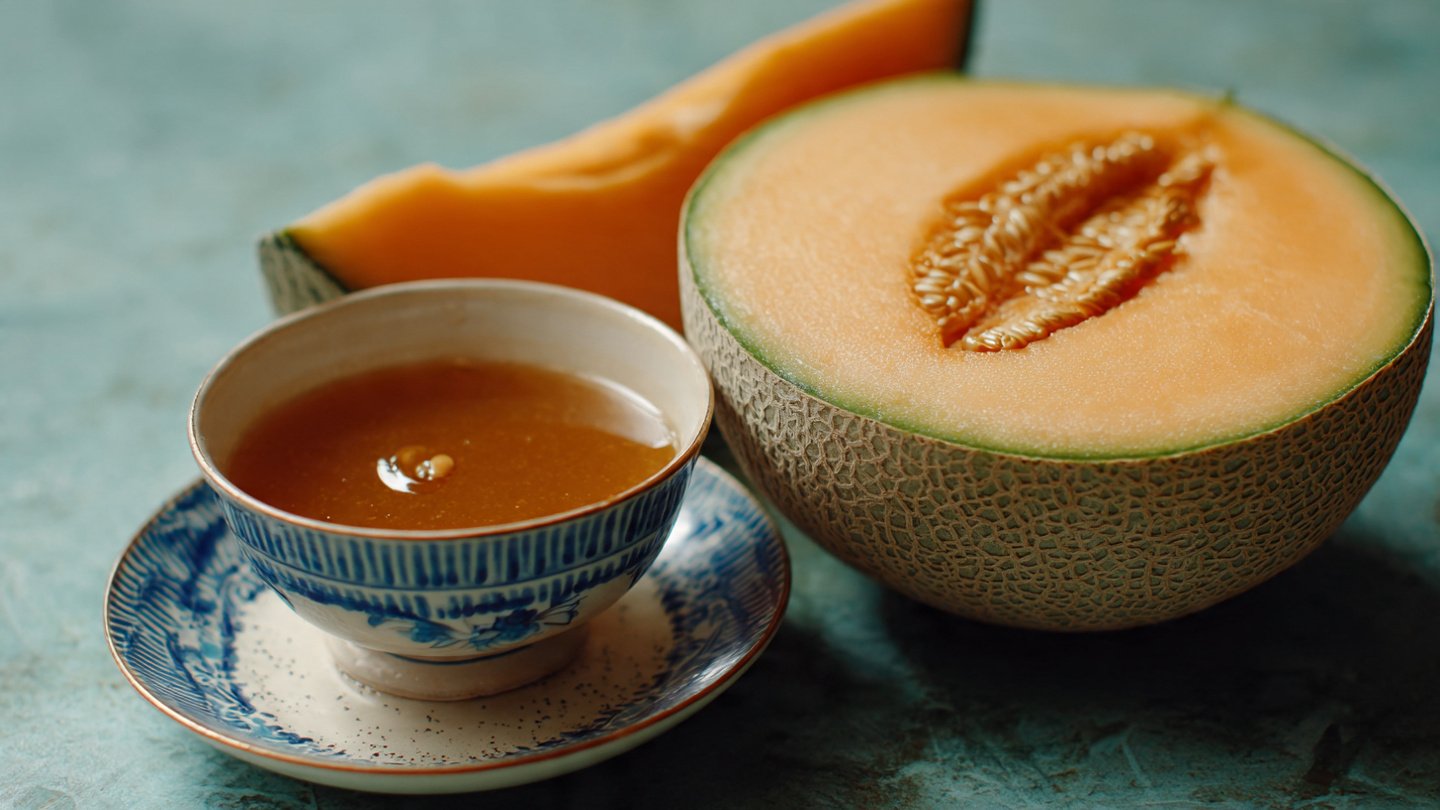
Few summer pleasures rival the taste of a perfectly ripe cantaloupe—sweet, fragrant, and dripping with juice. Yet many home gardeners find their melons look beautiful on the outside but lack that deep, honey-like sweetness they hoped for. This has led to a growing buzz in gardening circles around an unexpected kitchen staple: molasses.
Could this dark, sticky syrup really be the secret to growing sweeter, more flavorful cantaloupes? The answer is more nuanced than a simple yes or no. Let’s explore what molasses does in the garden, how it affects cantaloupe flavor, and whether it truly deserves a place in your melon-growing routine.
Why Cantaloupe Flavor Can Be Disappointing
Before diving into molasses, it helps to understand why cantaloupes sometimes fall short on flavor. Sweetness and aroma depend on several interconnected factors:
- Healthy, active soil biology
- Consistent water management
- Proper nutrient balance
- Plenty of sunlight
- Correct harvest timing
Even when vines look vigorous, flavor can suffer if soil microbes are inactive or nutrients are poorly absorbed. This is where molasses enters the conversation—not as a fertilizer, but as a soil enhancer.
What Is Molasses, Really?
Molasses is a byproduct of sugar production, usually derived from sugarcane or sugar beets. Gardeners typically use unsulfured blackstrap molasses, which contains:
- Natural sugars
- Trace minerals like iron, calcium, magnesium, and potassium
- Compounds that stimulate microbial life
It’s important to note that molasses doesn’t directly sweeten fruit. Instead, it works below the surface, influencing soil health in ways that may indirectly improve flavor.
How Molasses Affects Soil Life
The true power of molasses lies in its ability to feed beneficial soil microorganisms. Bacteria and fungi thrive on simple sugars, and molasses provides an instant energy source.
When microbial populations increase:
- Organic matter breaks down faster
- Nutrients become more plant-available
- Root systems grow stronger
- Soil structure improves
For cantaloupes, healthier soil biology means the plant can absorb nutrients more efficiently during fruit development—an essential step in sugar production.
The Connection Between Soil Health and Sweetness
Cantaloupes develop their sweetness through photosynthesis. Sugars are produced in the leaves and transported to the fruit as it matures. For this process to work optimally, the plant needs:
- Adequate potassium for sugar movement
- Balanced nitrogen to prevent excessive leafy growth
- Trace minerals for enzyme activity
Molasses doesn’t supply large amounts of these nutrients, but by boosting microbial activity, it helps unlock what’s already in the soil. This improved nutrient uptake can enhance:
- Sugar concentration
- Aroma compounds
- Overall melon flavor
Molasses and Potassium Availability
One reason molasses is often linked to sweeter fruit is its indirect relationship with potassium, a key nutrient for fruit quality.
Active soil microbes help release potassium bound in organic matter and minerals. When cantaloupe plants receive adequate potassium:
- Sugars move more efficiently into the fruit
- Flesh texture improves
- Flavor becomes more concentrated
Molasses acts as a catalyst, not a replacement, for proper fertilization.
When Molasses Can Help Cantaloupe Flavor
Molasses tends to be most effective when:
- Soil contains organic matter
- Compost or organic fertilizers are already in use
- The garden ecosystem is biologically active
In these conditions, molasses can give microbes a boost at critical stages of melon development, particularly:
- Early flowering
- Fruit set
- Early fruit enlargement
This support may result in more consistent sugar accumulation as the cantaloupe matures.
When Molasses Won’t Make a Difference
Molasses is not a miracle solution. It won’t improve flavor if:
- Soil is compacted or lifeless
- Plants are overwatered
- Vines receive insufficient sunlight
- Melons are harvested too early
In poor soil, adding molasses can even cause problems by encouraging harmful microbes or creating nutrient imbalances.
How to Use Molasses Safely in the Garden
If you decide to try molasses for your cantaloupes, moderation is key. Too much can lead to sticky soil, pest attraction, or microbial overload.
Simple Soil Drench Method
- Mix 1 tablespoon of unsulfured molasses in 1 gallon of water
- Apply to soil at the base of the plant
- Use once every 3–4 weeks during active growth
Always water the soil lightly before and after application to help distribute it evenly.
Can Molasses Be Used as a Foliar Spray?
Some gardeners apply diluted molasses as a foliar spray, but this method is less effective for flavor enhancement and can attract insects.
For cantaloupes, soil application is far safer and more beneficial, as it supports the root-microbe relationship responsible for nutrient uptake.
The Role of Watering in Sweetness
Even with molasses, improper watering can ruin flavor. Excess water near harvest dilutes sugars in cantaloupe flesh.
For best results:
- Water deeply but infrequently
- Reduce watering slightly once fruits begin to ripen
- Never allow plants to wilt severely
Molasses works best when paired with smart irrigation practices.
Sunlight: The Unsung Hero of Sweet Melons
No soil amendment can replace sunlight. Cantaloupes require at least 8 hours of direct sun daily to produce the sugars that define their flavor.
Molasses may improve nutrient availability, but without adequate sunlight, the plant simply cannot generate enough sugars to sweeten the fruit.
Harvest Timing Matters More Than Molasses
One of the biggest reasons homegrown cantaloupes lack flavor is harvesting too early. True sweetness develops only when the fruit reaches full maturity.
Signs of peak ripeness include:
- A strong, sweet aroma
- The fruit slipping easily from the vine
- Netting becoming raised and tan
No amount of molasses can compensate for premature harvest.
Organic Gardening and Molasses
Molasses fits well into organic and natural gardening systems. It’s often used in compost teas, living soil systems, and regenerative gardening practices.
For gardeners aiming to grow flavorful cantaloupes without synthetic chemicals, molasses can be a useful supporting tool—when used thoughtfully.
So, Is Molasses the Secret?
Molasses alone is not the secret to sweeter cantaloupes—but it can be part of the solution.
Think of it as a supporting actor rather than the star. When combined with:
- Healthy soil
- Proper nutrition
- Adequate sunlight
- Smart watering
- Patient harvesting
molasses can help unlock your garden’s natural potential for producing richly flavored, aromatic melons.
Final Verdict
If your cantaloupes are close to great but just missing that extra sweetness, improving soil biology with molasses may give you the edge you’re looking for. Used sparingly and strategically, it supports the unseen microbial processes that make exceptional flavor possible.
In the end, the real secret isn’t molasses—it’s working with nature rather than against it. Molasses simply helps the process along.