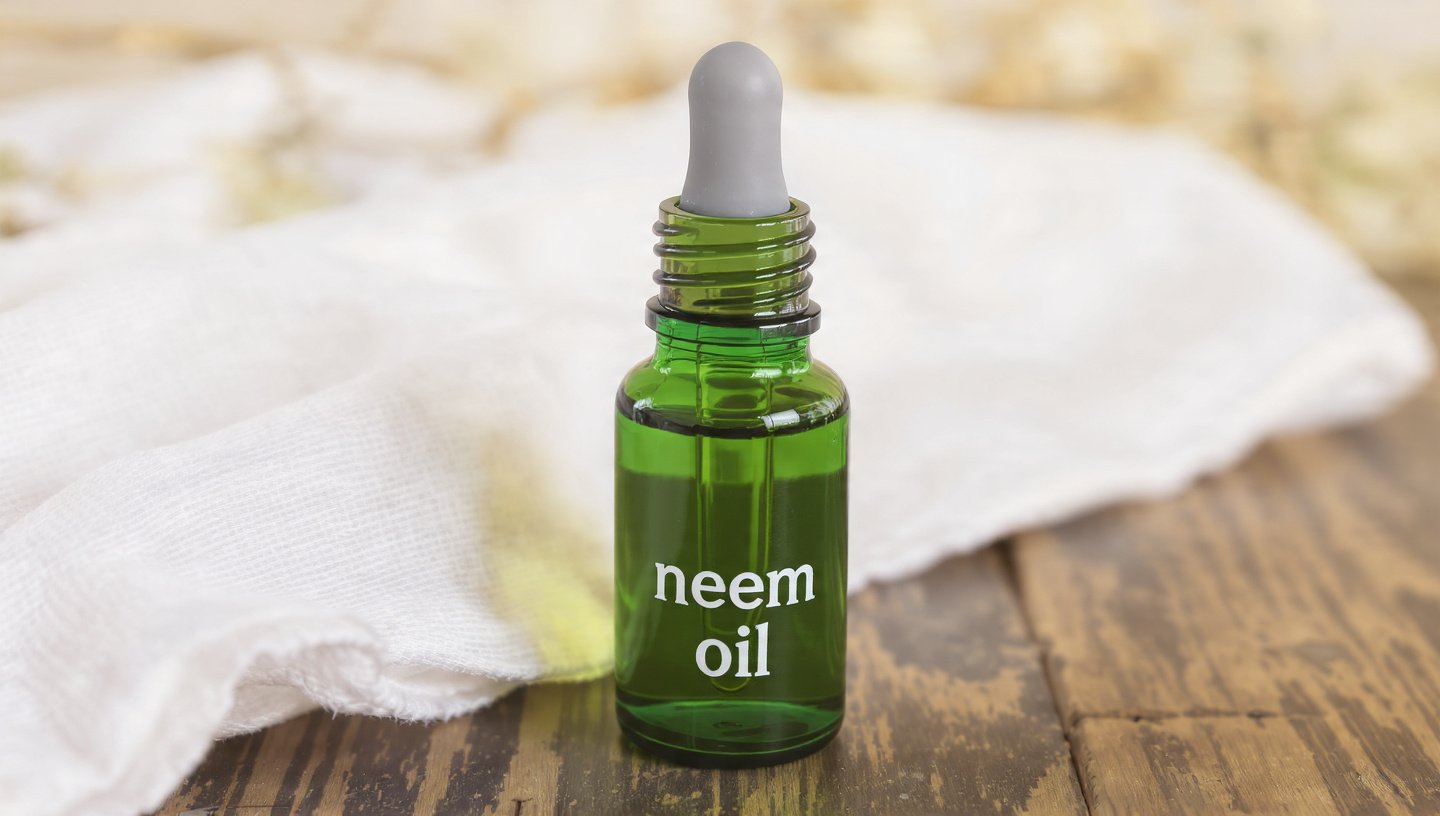
Neem oil is an excellent natural pesticide and fungicide, but its strong, pungent smell can be off-putting for many gardeners. Fortunately, there are several effective methods to use neem oil while minimizing its odor without compromising its benefits. Here’s a comprehensive guide:
1. Dilute Properly Before Use
Neem oil is most effective when diluted with water. A typical ratio is 1–2 tablespoons of neem oil per gallon of water, along with a few drops of liquid dish soap or mild insecticidal soap to act as an emulsifier.
Tips for reducing smell:
- Use lukewarm water when mixing, as it helps the oil blend better.
- Mix only the amount you’ll use immediately; letting it sit can intensify the odor.
2. Use Emulsifiers to Improve Blending
Neem oil doesn’t naturally mix with water, which is why it’s usually combined with an emulsifier like soap. Emulsifiers can also reduce the sharpness of the smell by helping the oil disperse evenly across leaves instead of leaving concentrated patches.
Common emulsifiers:
- Liquid dish soap (unscented or lightly scented)
- Mild biodegradable soap
- Commercially available neem oil emulsifiers
3. Add Natural Masking Agents
Some gardeners add aromatics to mask neem oil odor while maintaining its effectiveness. These can include:
- A few drops of lavender, lemon, or peppermint essential oils
- A small amount of citrus juice (like lemon or orange)
- Herbs like rosemary or mint steeped in the spray water
Note: Add only small amounts — too much essential oil can harm sensitive plants.
4. Apply During Optimal Times
- Evenings or early mornings are ideal for neem oil application. The cooler temperatures reduce evaporation, which minimizes odor spreading.
- Avoid spraying during hot, sunny hours, which can not only intensify the smell but also cause leaf burn.
5. Use Foggers or Sprayers with Fine Mist
- Spraying a fine mist rather than heavy drops helps disperse the oil evenly and reduces concentrated smell.
- Some gardeners use handheld foggers for indoor plants; these machines distribute oil in micro-droplets, reducing odor intensity.
6. Store Neem Oil Properly
Strong odors can develop if neem oil oxidizes or degrades:
- Keep neem oil in a dark, cool place in an airtight container
- Avoid prolonged exposure to sunlight or heat
- Use fresh oil rather than old bottles that may smell more pungent
7. Post-Application Ventilation
- After spraying indoors or in a greenhouse, ventilate the area with fans or open windows to help dissipate odor
- For outdoor plants, spraying upwind can prevent you from standing in the strong smell cloud
8. Neem Oil Capsules or Slow-Release Options
Some commercial products offer microencapsulated or slow-release neem oil formulations. These:
- Reduce the smell by controlling how the oil is released over time
- Can be mixed into the soil or applied as a seed coating
- Are particularly useful for indoor gardening or enclosed spaces
Key Takeaways
- Dilution is essential: Never use pure neem oil on plants
- Emulsifiers help both effectiveness and odor reduction
- Masking with natural scents can make application more pleasant
- Timing, ventilation, and sprayer choice all influence odor intensity
- Proper storage ensures the oil remains less pungent
With these strategies, you can enjoy the pest- and disease-control benefits of neem oil without the strong lingering smell that often deters gardeners from using it.