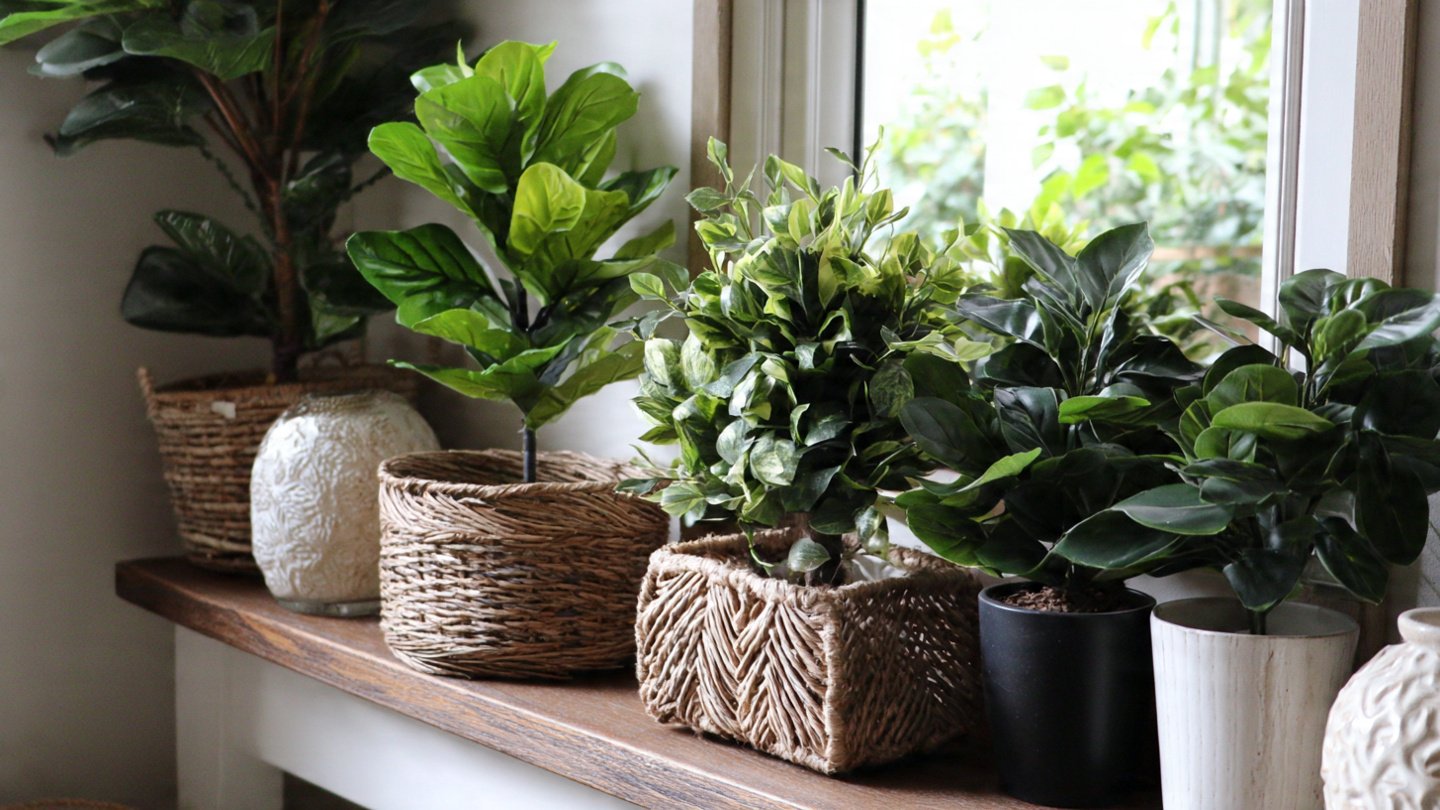
Indoor plants have become an essential part of modern homes. From minimalist apartments to cozy family houses, greenery adds warmth, improves ambiance, and brings a calming connection to nature. But when it comes to decorating with plants indoors, many people face an important question: Should you choose real indoor plants or faux ones?
Both real and artificial plants have their own advantages and limitations. The best choice depends on your lifestyle, available time, lighting conditions, budget, and personal preferences. This guide will help you understand the differences and decide which option works best for your space.
Why Indoor Plants Matter
Before choosing between real and faux plants, it’s helpful to understand why indoor greenery is so popular. Plants:
- Enhance home aesthetics
- Make spaces feel more inviting and lively
- Reduce stress and improve mood
- Add texture, color, and visual balance to interiors
Whether living or artificial, plants can dramatically change the look and feel of a room.
Understanding Real Indoor Plants
What Are Real Indoor Plants?
Real indoor plants are living plants grown in pots or containers inside homes. Common examples include snake plants, pothos, peace lilies, fiddle-leaf figs, and succulents.
Advantages of Real Indoor Plants
1. Natural Beauty and Authenticity
Nothing compares to the look of a living plant. Real plants have natural variations in color, texture, and growth patterns that faux plants cannot fully replicate.
2. Health and Wellness Benefits
Live plants can help improve indoor air quality by absorbing carbon dioxide and releasing oxygen. Many people also find caring for plants therapeutic and relaxing.
3. Dynamic and Ever-Changing
Real plants grow, bloom, and change with the seasons. This dynamic quality keeps your space feeling fresh and alive.
4. Strong Connection to Nature
Having living plants indoors creates a sense of calm and well-being, especially in urban environments where outdoor greenery may be limited.
Drawbacks of Real Indoor Plants
1. Maintenance Requirements
Real plants need regular watering, proper lighting, fertilizing, and occasional pruning. Some plants are forgiving, but others require careful attention.
2. Sensitivity to Light and Temperature
Not all homes provide ideal lighting. Plants placed in low-light or drafty areas may struggle or die.
3. Pest and Disease Issues
Indoor plants can attract insects like fungus gnats, spider mites, or aphids if not properly maintained.
4. Not Ideal for Busy Lifestyles
If you travel frequently or have an unpredictable schedule, maintaining live plants can become challenging.
Understanding Faux Indoor Plants
What Are Faux Indoor Plants?
Faux plants are artificial plants made from materials such as plastic, silk, fabric, or rubber. Modern faux plants are designed to closely mimic real plants in appearance.
Advantages of Faux Indoor Plants
1. Zero Maintenance
Faux plants require no watering, sunlight, or fertilizing. This makes them ideal for people with busy schedules or limited interest in plant care.
2. Always Look Perfect
Artificial plants never wilt, drop leaves, or turn yellow. They remain green and full all year round.
3. Work in Any Environment
Faux plants can be placed anywhere—dark corners, bathrooms without windows, offices, or air-conditioned rooms where real plants might not survive.
4. Allergy-Friendly
For people sensitive to pollen, mold, or soil, faux plants are a safe alternative.
Drawbacks of Faux Indoor Plants
1. Lack of Health Benefits
Artificial plants do not purify air, release oxygen, or improve humidity levels.
2. Can Look Artificial if Low Quality
Cheaper faux plants may appear plastic or unrealistic, reducing the overall aesthetic appeal.
3. Environmental Impact
Many faux plants are made from non-biodegradable materials and may contribute to plastic waste.
4. Dust Accumulation
Artificial plants can collect dust over time and require regular cleaning to maintain their appearance.
Key Factors to Consider When Choosing
1. Your Lifestyle and Schedule
If you enjoy caring for plants and have time for regular maintenance, real plants are a rewarding choice. If your schedule is hectic or you travel often, faux plants may be more practical.
2. Lighting Conditions in Your Home
Homes with ample natural light can support a wide range of real plants. Low-light spaces may limit your options, making faux plants a better fit.
3. Budget Considerations
Real plants are usually less expensive upfront but may require ongoing costs for soil, fertilizer, and replacements. High-quality faux plants cost more initially but last for years without additional expense.
4. Purpose of the Space
- Living rooms and bedrooms: Real plants add freshness and calm.
- Bathrooms and hallways: Faux plants work well where light and airflow are limited.
- Offices and rental spaces: Faux plants offer long-term convenience.
5. Pets and Children
Some real plants are toxic to pets and small children. Faux plants remove this risk but should still be placed safely to avoid choking hazards.
Mixing Real and Faux Plants: A Smart Compromise
You don’t have to choose only one type. Many homeowners successfully combine both real and faux plants:
- Use real plants in well-lit, visible areas
- Place faux plants in darker or hard-to-reach spots
- Pair faux greenery with real plants for a fuller look
This balanced approach allows you to enjoy natural benefits without overwhelming maintenance.
How to Make Faux Plants Look More Realistic
If you choose artificial plants, follow these tips to enhance realism:
- Choose high-quality materials like silk or latex
- Place them in real soil or decorative planters
- Mix different sizes and shades of green
- Clean leaves regularly to remove dust
- Avoid placing too many identical plants together
How to Succeed With Real Indoor Plants
If you opt for living plants, set yourself up for success:
- Start with low-maintenance plants like snake plants or pothos
- Match plants to your lighting conditions
- Use pots with drainage holes
- Water only when soil is dry at the top
- Learn each plant’s specific needs
Environmental Considerations
Real plants are biodegradable and contribute positively to indoor ecosystems. Faux plants, while long-lasting, are often made from plastic. However, choosing durable faux plants and using them for many years can reduce their environmental footprint.
Final Thoughts
Deciding between real and faux indoor plants ultimately comes down to your lifestyle, environment, and personal preferences. Real plants bring life, growth, and wellness benefits but require care and commitment. Faux plants offer convenience, consistency, and flexibility without maintenance.
There is no right or wrong choice—only what works best for you. Whether you embrace the joy of nurturing living plants, enjoy the simplicity of artificial greenery, or combine both, indoor plants in any form can elevate your space and make your home feel more welcoming.
If you’d like, I can also tailor this article for SEO, rewrite it for a minimalist or luxury home décor audience, or adapt it for apartments and Indian homes.