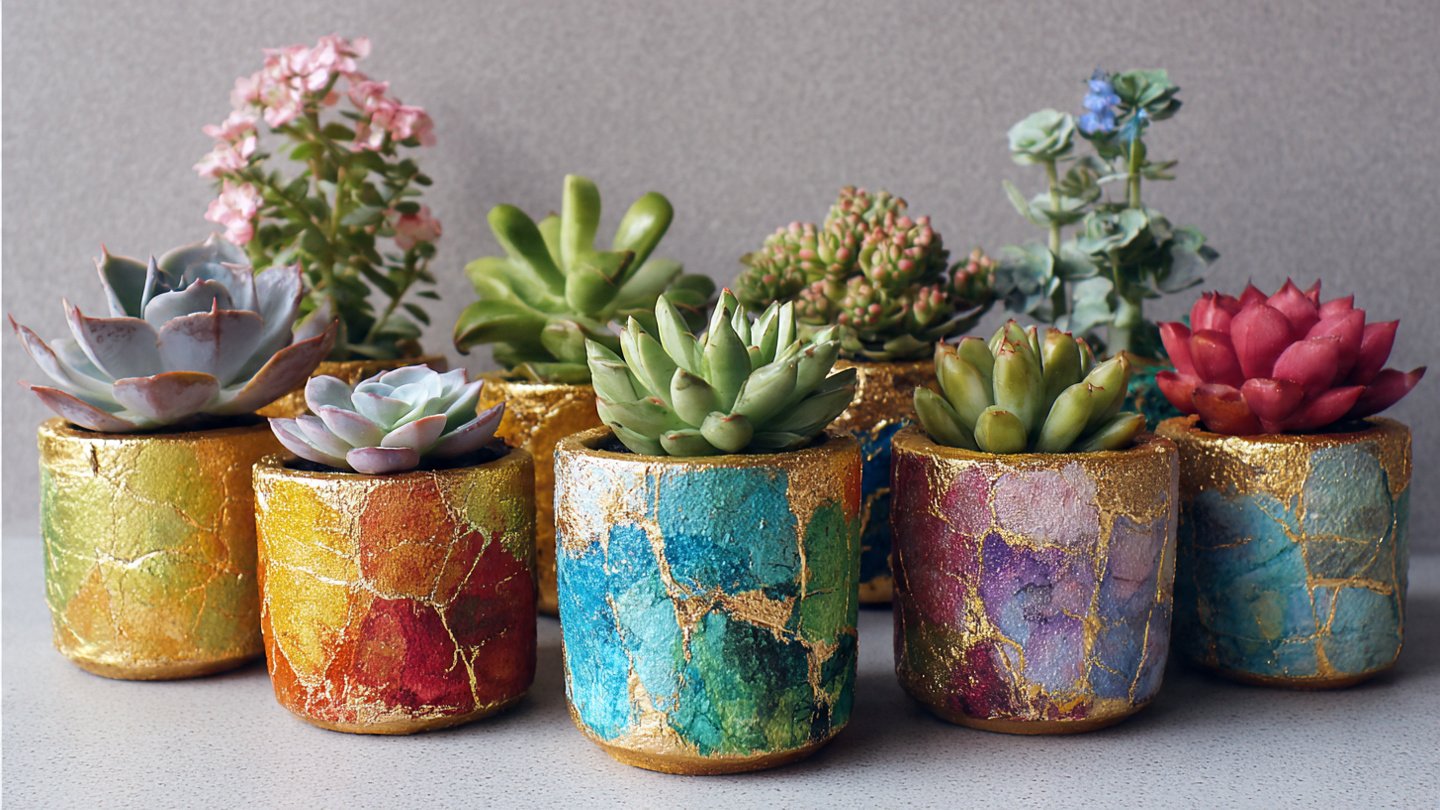
Old plastic pots often pile up in gardens, garages, or balconies looking dull, faded, and ready to be thrown away. But what if those lightweight, inexpensive containers could be transformed into luxurious stone-look planters that rival high-end garden décor? With a little creativity, simple materials, and some hands-on effort, you can turn ordinary plastic pots into stunning stonelook beauties that elevate your indoor and outdoor spaces.
This guide will walk you step by step through the process—covering materials, techniques, design ideas, and maintenance tips—so you can create durable, elegant planters while recycling what you already own.
Why Choose a Stone Look for Plastic Pots?
Stone and concrete planters are admired for their timeless elegance, natural texture, and premium appearance. However, they are often heavy, expensive, and difficult to move. A stone-look finish on plastic pots gives you the best of both worlds.
Key benefits include:
- Lightweight and easy to move
- Budget-friendly alternative to stone or concrete
- Customizable colors and textures
- Weather-resistant when sealed properly
- Eco-friendly reuse of plastic
The transformation instantly upgrades your garden’s aesthetic without adding physical or financial weight.
Choosing the Right Plastic Pots
Not all plastic pots are ideal for stonelook transformations.
Best choices include:
- Thick, sturdy plastic containers
- Pots with simple shapes and clean lines
- Large or medium-sized planters for visual impact
- Slightly textured surfaces (paint adheres better)
Avoid cracked or brittle pots, as they may not hold coatings well.
Tools and Materials You’ll Need
Before you start, gather all your supplies to ensure a smooth process.
Basic materials:
- Old plastic pots
- Sandpaper (medium grit)
- Clean cloth or brush
- Acrylic paint (grey, beige, white, black)
- Cement texture paint or tile adhesive
- Putty knife or old brush
- Sponge
Optional finishing materials:
- Fine sand or stone powder
- Matte or satin sealer
- Protective gloves
Most of these items are affordable and easily available at local hardware or craft stores.
Step 1: Clean and Prep the Pots
Preparation is crucial for long-lasting results.
- Wash pots thoroughly with soap and water
- Remove dirt, algae, or residue
- Dry completely
- Lightly sand the surface to remove shine
- Wipe away dust with a clean cloth
Sanding helps the coating stick better and prevents peeling over time.
Step 2: Create the Stone Texture
This is where the magic happens.
Method 1: Cement or Tile Adhesive Finish
- Mix cement texture paint or tile adhesive with a little water
- Apply unevenly using a putty knife or brush
- Create random bumps and grooves
- Let dry for 6–8 hours
Method 2: Paint and Sand Technique
- Apply a thick base coat of textured paint
- Sprinkle fine sand while wet
- Let dry and brush off excess
Both methods produce convincing stone-like surfaces.
Step 3: Painting for a Natural Stone Effect
Color layering brings the stone look to life.
- Apply a base coat of grey or beige acrylic paint
- Let dry completely
- Dry-brush lighter shades (white or pale grey)
- Add darker accents in crevices for depth
- Blend gently using a sponge
Avoid solid colors—natural stone always has variation.
Step 4: Aging and Distressing (Optional but Stunning)
For a truly luxurious look, add subtle aging effects.
Ideas include:
- Light black or brown wash for weathered appearance
- Moss-green touches near the base
- Rough edges for a hand-carved feel
Less is more—keep it subtle for realism.
Step 5: Seal for Durability
Sealing protects your masterpiece from weather and wear.
Sealer tips:
- Use a matte or satin clear sealer
- Apply 1–2 thin coats
- Allow full drying between coats
Sealing makes the pots water-resistant and suitable for outdoor use.
Styling Ideas for Luxurious Impact
Once your stonelook pots are ready, styling completes the transformation.
Plant pairings:
- Succulents for a modern stone aesthetic
- Ferns for a lush, classical feel
- Palms or snake plants for bold contrast
- Flowering plants for softness against stone
Placement ideas:
- Group different sizes together
- Place along walkways or patios
- Use indoors near windows or entryways
The neutral stone look complements nearly any plant or décor style.
Indoor vs Outdoor Use
Stone-look plastic pots work beautifully in both settings.
Indoor advantages:
- Lightweight for easy rearranging
- No damage to floors
- Sophisticated, modern appeal
Outdoor advantages:
- Weather-resistant when sealed
- Easy to move for sunlight adjustments
- Won’t crack like real stone
Just ensure proper drainage holes remain open.
Maintenance and Care Tips
These pots are low-maintenance but benefit from occasional care.
Maintenance tips:
- Wipe dust with a damp cloth
- Reseal every 1–2 years outdoors
- Avoid harsh chemicals
- Protect from extreme frost if possible
With care, your stonelook pots can last for years.
Budget-Friendly and Eco-Conscious Benefits
Transforming plastic pots is both economical and environmentally friendly.
Why it matters:
- Reduces plastic waste
- Saves money on décor
- Encourages creative reuse
- Promotes sustainable gardening
It’s a small project with a big positive impact.
Common Mistakes to Avoid
Avoid these pitfalls for the best results:
- Skipping sanding and cleaning
- Using too much water in texture mix
- Applying thick paint layers too quickly
- Forgetting to seal the final surface
Patience and layering are key to realism.
Final Thoughts
Turning old plastic pots into luxurious stonelook beauties is a rewarding DIY project that combines creativity, sustainability, and style. With simple materials and thoughtful techniques, you can achieve a high-end look without the cost or weight of real stone.
Whether you’re refreshing a balcony, upgrading your garden, or adding elegance indoors, these transformed planters prove that beauty doesn’t have to be expensive—or wasteful. Once you try it, you may never look at old plastic pots the same way again. 🪴✨