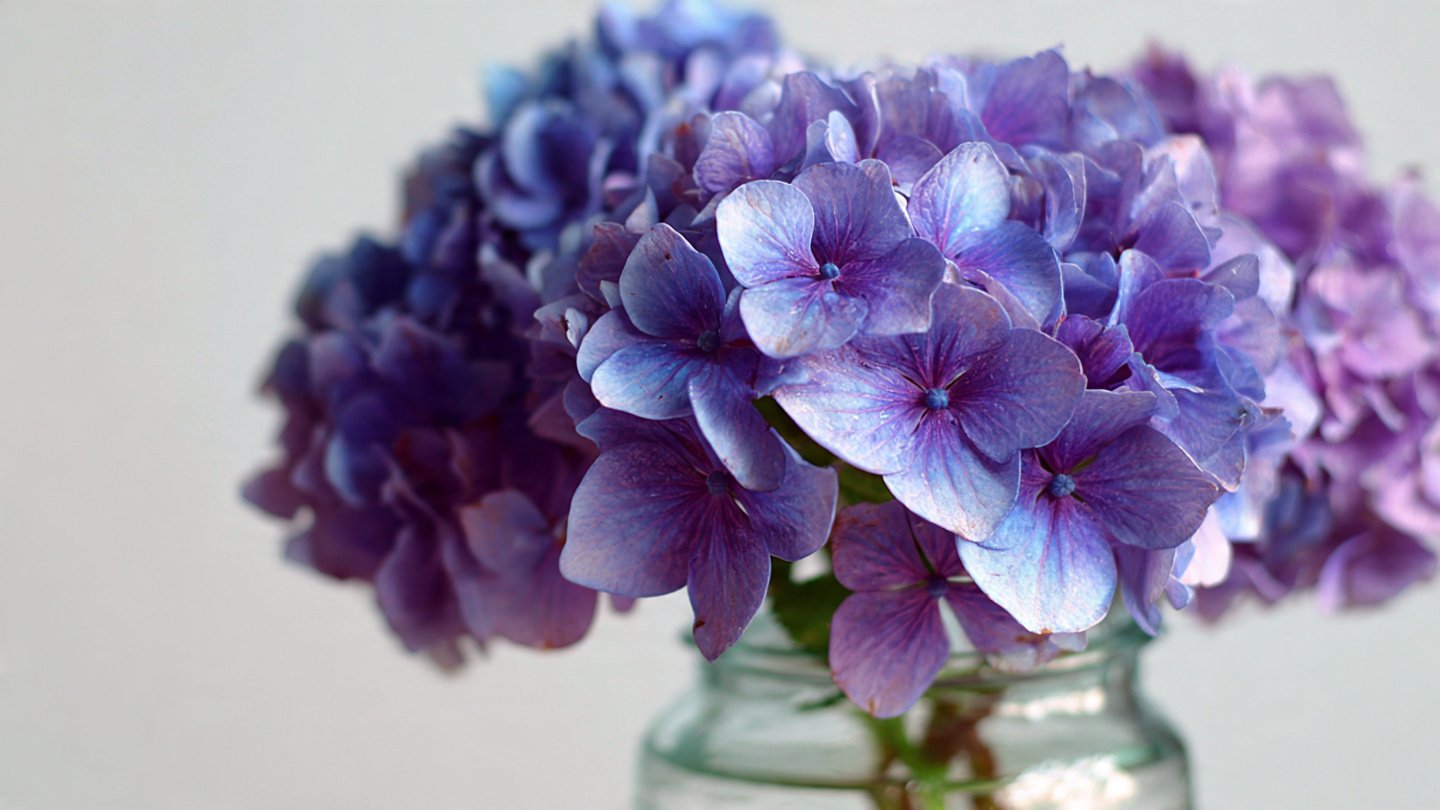
Hydrangeas are beloved for their lush foliage and spectacular blooms, making them a popular choice for gardeners who want to propagate new plants from cuttings. Yet many gardeners encounter a frustrating problem: freshly planted hydrangea cuttings wilt dramatically—even when the soil is moist and watering seems adequate. Seeing leaves droop and collapse can feel confusing and discouraging, especially when you’ve followed basic watering advice.
The truth is that wilting in hydrangea cuttings has less to do with how much water is in the soil and more to do with how the cutting absorbs and uses that water. In this article, we’ll explore the real reasons hydrangea cuttings wilt despite ample moisture, and how you can correct these issues to ensure strong, healthy root development.
Understanding How Hydrangea Cuttings Take Up Water
When you take a hydrangea cutting, you remove its root system entirely. Until new roots form, the cutting cannot absorb water in the usual way. Instead, it relies on stored moisture in the stem and limited water absorption through the cut surface.
Leaves, however, continue to lose water through transpiration. If water loss exceeds the cutting’s ability to replace it, wilting occurs—even if the soil is soaking wet.
This imbalance between water loss and water uptake is the root cause of most wilting problems.
1. Excessive Leaf Surface Area
One of the most common mistakes when propagating hydrangeas is leaving too many or too-large leaves on the cutting.
Why It Causes Wilting
Large leaves release water rapidly. Without roots, the cutting cannot replace this moisture fast enough, leading to drooping leaves within hours.
How to Fix It
- Remove lower leaves completely
- Cut remaining large leaves in half horizontally
- Leave only 1–2 sets of smaller leaves at the top
Reducing leaf area dramatically lowers moisture loss and helps the cutting survive long enough to form roots.
2. Transplant Shock and Stress Response
Wilting is often a natural stress response after cutting removal.
What’s Happening
When a cutting is separated from the parent plant:
- Water transport is disrupted
- Cells lose pressure (turgor)
- Leaves droop even in moist conditions
This temporary wilting doesn’t always mean failure—but prolonged stress can kill the cutting.
Prevention Tips
- Take cuttings early in the morning when stems are fully hydrated
- Use sharp, clean tools to minimize tissue damage
- Place cuttings in water immediately after cutting if not planting right away
3. Low Humidity Around the Cutting
Hydrangea cuttings thrive in high humidity environments. Dry air causes rapid moisture loss through the leaves.
Signs of Low Humidity Stress
- Leaves droop within hours of planting
- Soil remains moist, but leaves continue wilting
- Leaf edges may curl or brown
Solutions
- Cover cuttings with a clear plastic dome or bag
- Use a propagation tray with a humidity lid
- Mist leaves lightly once or twice daily
High humidity slows transpiration, buying time for roots to develop.
4. Overwatering and Poor Drainage
It may sound counterintuitive, but too much water can actually cause wilting.
Why Overwatering Causes Wilting
- Saturated soil lacks oxygen
- Cut stem begins to rot
- Water uptake is blocked by decaying tissue
This results in “physiological drought,” where water is present but unavailable to the plant.
Best Practices
- Use well-draining propagation mix (peat + perlite or coco coir)
- Ensure containers have drainage holes
- Keep soil damp, not soggy
Healthy oxygen flow is just as important as moisture.
5. Heat and Direct Sunlight Exposure
Hydrangea cuttings are extremely sensitive to heat and sun during early propagation.
What Heat Does
- Increases transpiration rate
- Causes rapid moisture loss
- Weakens unrooted cuttings
Even a short period of direct sunlight can cause severe wilting.
Ideal Light Conditions
- Bright, indirect light
- Morning light only, if outdoors
- Never full afternoon sun
Shade and filtered light dramatically improve success rates.
6. Using the Wrong Type of Cutting
Not all hydrangea stems root equally well.
Poor Cutting Choices Include:
- Old, woody stems
- Flowering shoots
- Very soft, limp growth
Best Cutting Type
- Softwood or semi-hardwood
- Non-flowering stems
- 4–6 inches long with visible leaf nodes
Choosing the right stem significantly reduces wilting and improves rooting speed.
7. Lack of Rooting Hormone
While not mandatory, rooting hormone greatly improves success with hydrangea cuttings.
Benefits of Rooting Hormone
- Encourages faster root initiation
- Reduces risk of stem rot
- Improves survival during early stress
Dip the cut end lightly into powder or gel before planting. Avoid overuse, as excessive hormone can damage tissue.
8. Incorrect Planting Depth
Planting cuttings too shallow or too deep can cause problems.
Common Mistakes
- Exposed nodes drying out
- Stem buried too deeply, promoting rot
Correct Method
- Bury at least one leaf node below the soil
- Firm soil gently around the stem
- Keep the cutting upright and stable
Nodes are where roots form, so proper placement is critical.
9. Poor Air Circulation
While high humidity is important, stagnant air can cause fungal issues that lead to wilting.
Signs of Poor Airflow
- Mold on soil surface
- Blackened stem base
- Persistent wilting despite correct moisture
Balance Is Key
- Vent humidity covers daily
- Avoid overcrowding cuttings
- Use clean containers and sterile soil
Fresh air prevents disease without drying the cutting.
10. Natural Adjustment Period
Some wilting is normal during the first few days.
What’s Normal
- Slight drooping during daytime
- Leaves perking up at night
- Gradual improvement over 7–14 days
As long as stems remain green and firm, the cutting may still be viable.
How Long Until Hydrangea Cuttings Stop Wilting?
Most hydrangea cuttings:
- Begin forming roots in 2–4 weeks
- Show improved leaf firmness once roots develop
- Are ready for transplanting after 4–6 weeks
Patience is essential—early wilting does not always mean failure.
Quick Troubleshooting Checklist
If your hydrangea cuttings are wilting, ask yourself:
- Did I reduce leaf size?
- Is humidity high enough?
- Is the soil draining well?
- Are cuttings protected from heat and sun?
- Did I choose the right stem type?
Correcting even one of these factors can dramatically improve success.
Final Thoughts
Hydrangea cuttings often wilt not because they lack water, but because they lose water faster than they can absorb it. Understanding this fundamental imbalance helps explain why ample watering alone doesn’t solve the problem. By managing leaf size, humidity, light, soil conditions, and stem selection, you can create an environment where your cuttings stay hydrated long enough to develop strong roots.
With the right techniques and a bit of patience, wilting hydrangea cuttings can recover beautifully—rewarding you with healthy new plants ready to flourish in your garden.