Roses are often called the queens of the garden, admired for their beauty, fragrance, and timeless charm. However, growing healthy roses comes with its challenges—one of the most common and frustrating problems is black spot disease. Those dark, spreading spots on rose leaves can quickly turn a thriving plant into a weak, leafless bush if left untreated.
The good news is that you don’t need harsh chemicals to protect your roses. With the right natural methods, proper care, and a little patience, you can prevent and control black spot while keeping your garden eco-friendly and safe.
In this guide, you’ll learn what causes black spot, how to identify it early, and the most effective natural ways to protect your rose leaves and keep them healthy all season long.
What Is Black Spot Disease on Roses?
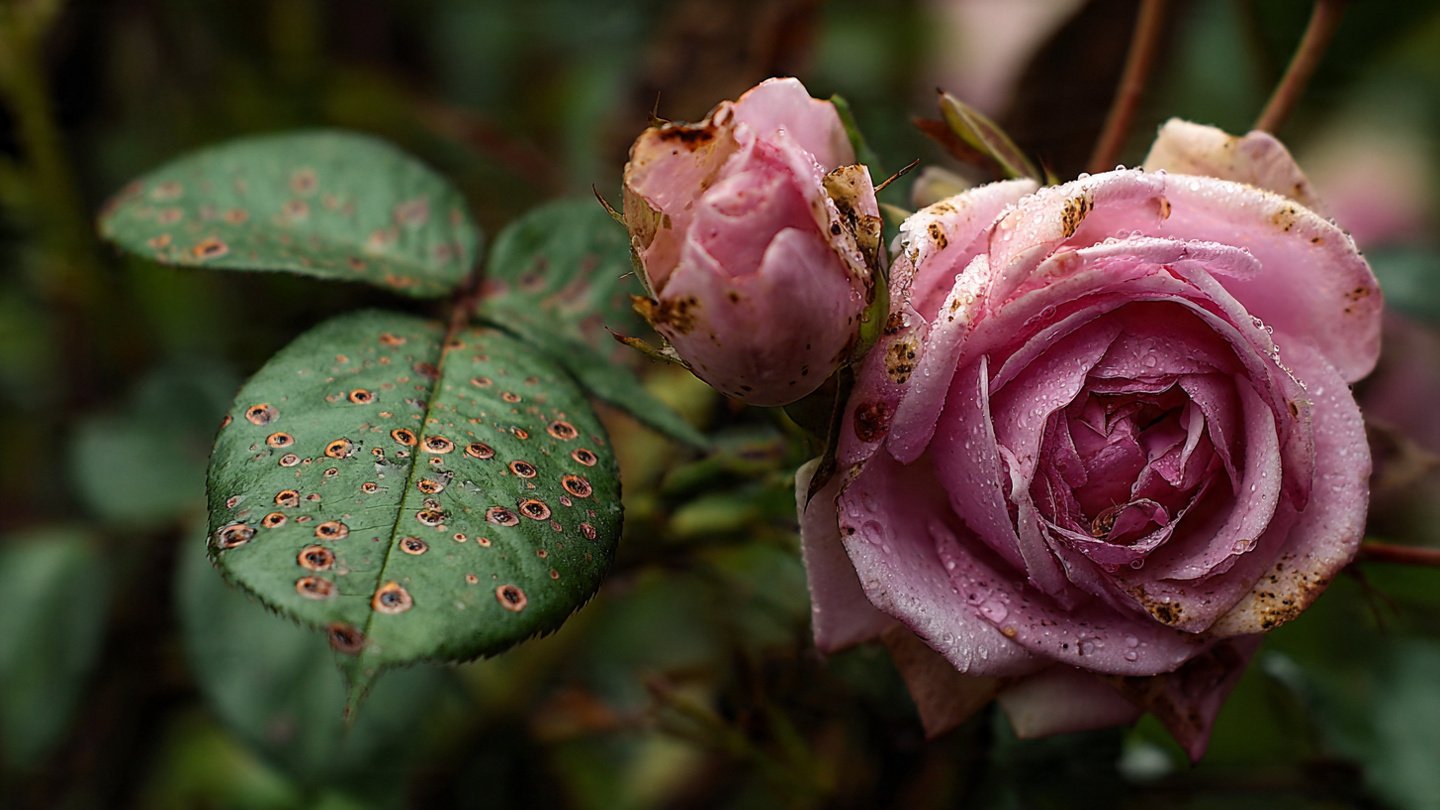
Black spot is a fungal disease caused by Diplocarpon rosae. It primarily affects rose leaves, though stems can also be infected.
Common Symptoms:
- Black or dark brown circular spots on leaves
- Yellowing around the spots
- Leaves dropping prematurely
- Weak growth and reduced flowering
Once the fungus spreads, roses lose energy, making them more vulnerable to pests and other diseases.
Why Do Roses Get Black Spot?
Black spot thrives under specific conditions, especially when roses are stressed or poorly ventilated.
Main Causes:
- High humidity and frequent rain
- Water sitting on leaves for long periods
- Poor air circulation
- Overcrowded plants
- Infected soil or fallen leaves
Understanding these causes is the first step toward preventing the disease naturally.
Why Choose Natural Protection Methods?
Many commercial fungicides work quickly, but they can:
- Harm beneficial insects
- Build chemical resistance over time
- Affect soil health
- Be unsafe for pets and children
Natural methods focus on prevention, plant strength, and balance, helping roses develop their own resistance while protecting the garden ecosystem.
1. Improve Air Circulation Around Roses
Good airflow is one of the most powerful natural defenses against black spot.
What to Do:
- Space rose plants properly
- Avoid overcrowding with other plants
- Prune inner branches to open up the plant
Better air circulation allows leaves to dry quickly, making it harder for fungal spores to survive.
2. Water Roses the Right Way
Improper watering is a major contributor to black spot.
Best Practices:
- Water at the base of the plant, not overhead
- Water early in the morning
- Avoid splashing soil onto leaves
Dry leaves mean fewer chances for fungal spores to germinate.
3. Remove Infected Leaves Immediately
Black spot spreads rapidly if infected leaves are left on the plant or ground.
Steps:
- Remove affected leaves as soon as you see spots
- Collect fallen leaves from the soil
- Dispose of them in the trash, not compost
This simple habit dramatically reduces reinfection.
4. Use Baking Soda Spray (Natural Fungicide)
Baking soda changes the pH on leaf surfaces, making it harder for fungi to survive.
Recipe:
- 1 teaspoon baking soda
- 1 liter water
- A few drops of liquid soap (as a spreader)
How to Use:
- Spray on both sides of leaves
- Apply once every 7–10 days
- Avoid spraying during strong sunlight
This is a popular, low-cost natural remedy for black spot.
5. Neem Oil for Long-Term Protection
Neem oil is one of the best natural treatments for rose diseases.
Benefits:
- Controls fungal growth
- Repels pests like aphids and mites
- Safe for beneficial insects when used correctly
How to Apply:
- Mix according to label instructions
- Spray in the early morning or evening
- Repeat every 10–14 days
Neem oil works best as a preventive treatment, not just a cure.
6. Milk Spray: A Simple Home Remedy
Surprisingly, milk can help control fungal diseases.
How It Works:
Proteins in milk react with sunlight to create an antifungal effect.
Recipe:
- 1 part milk
- 2 parts water
Spray lightly on leaves once a week. This method works best in early stages of black spot.
7. Strengthen Roses with Organic Nutrition
Healthy roses are naturally more resistant to disease.
Natural Boosters:
- Compost or vermicompost
- Well-rotted cow manure
- Seaweed extract
- Banana peel compost for potassium
Avoid excessive nitrogen, which causes soft growth that fungi love.
8. Mulch to Prevent Spore Splashing
Black spot spores often live in soil and splash onto leaves during watering or rain.
Mulching Benefits:
- Reduces soil splash
- Maintains soil moisture
- Improves soil health
Use organic mulch like straw, bark chips, or dried leaves, keeping it a few inches away from the stem.
9. Prune Regularly and Clean Tools
Pruning keeps roses healthy and disease-free when done correctly.
Tips:
- Prune dead or weak stems
- Always use clean, sharp tools
- Disinfect tools with alcohol or vinegar
This prevents spreading fungal spores from plant to plant.
10. Choose Black Spot–Resistant Rose Varieties
If black spot is a recurring problem, variety selection matters.
Look for:
- Disease-resistant or hybrid roses
- Roses labeled “black spot resistant”
- Native or locally adapted varieties
While no rose is 100% immune, resistant varieties need far less treatment.
Seasonal Prevention Tips
During Rainy or Humid Seasons:
- Increase airflow
- Spray preventive treatments more often
- Monitor leaves weekly
During Dry Seasons:
- Avoid stress from underwatering
- Maintain mulch
- Continue light preventive sprays
Consistency is key to natural disease control.
Common Mistakes to Avoid
- Spraying remedies in hot sunlight
- Ignoring fallen leaves
- Overwatering
- Using too much nitrogen fertilizer
- Waiting too long to treat symptoms
Natural methods work best when problems are caught early.
Can Black Spot Be Completely Eliminated Naturally?
Black spot spores exist in many environments, so total elimination is difficult. However, natural methods can control and minimize the disease to the point where roses remain healthy, leafy, and full of blooms.
Prevention is always more effective than treatment.
Final Thoughts
Protecting rose leaves from black spot naturally is absolutely possible with the right approach. By improving airflow, watering correctly, maintaining garden hygiene, and using gentle natural sprays like neem oil or baking soda, you can keep your roses strong without relying on chemicals.
Healthy soil, proper nutrition, and regular observation are the foundation of disease-free roses. When roses are cared for naturally, they reward you with lush foliage, vibrant blooms, and a garden that feels alive and balanced.
With patience and consistency, your roses can thrive—naturally beautiful and black spot free.