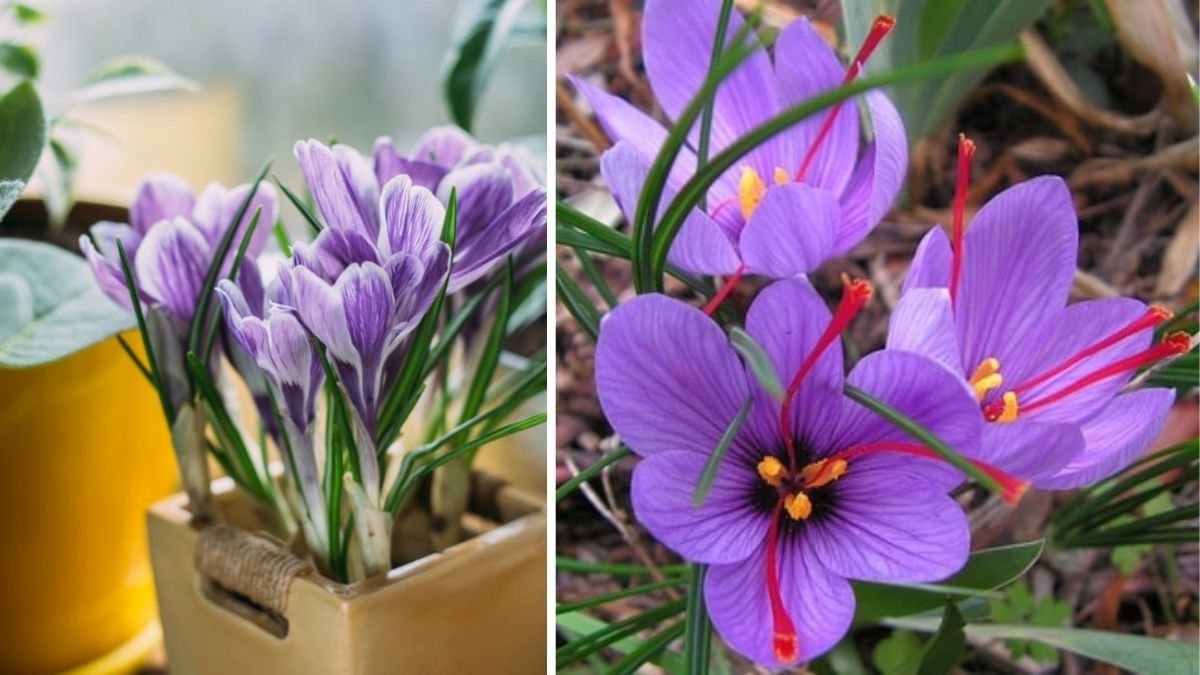
Saffron—the “red gold” of the spice world—is known for its delicate aroma, vibrant color, and incredible culinary value. Yet, its reputation as the world’s most expensive spice often makes home gardeners believe that growing it is either impossible or impractical. The truth is surprisingly different: with the right approach, you can grow saffron at home, even in a small pot, without spending a fortune. Let’s explore how you can cultivate your own saffron and why it’s more accessible than many people think.
Understanding Saffron
Saffron comes from the stigmas of the Crocus sativus flower, a small purple crocus that blooms in autumn. Each flower produces only three red stigmas—the saffron threads—which must be carefully harvested by hand. This labor-intensive process is a big reason why saffron is so expensive on the market.
However, for home gardeners, the challenge can be part of the joy. Growing saffron in a pot allows you to witness the full life cycle of the plant, from bulb to bloom, and to harvest fresh saffron threads at a fraction of the cost of buying them.
Choosing the Right Bulbs
The first step in growing saffron is obtaining healthy corms (bulbs). A single corm can produce multiple flowers and will multiply over time, giving you more bulbs for future seasons. When purchasing corms:
- Buy from a reputable source: Choose corms specifically labeled for culinary saffron (Crocus sativus). Avoid ornamental crocus varieties—they do not produce edible saffron.
- Select large, firm corms: Bigger corms generally yield more flowers.
- Check for mold or rot: Healthy corms should feel firm and free of soft spots.
You can often buy a handful of corms for less than $10, making the initial investment quite modest. Over time, these corms will multiply, allowing you to grow more saffron without additional costs.
Choosing the Right Pot
Saffron grows well in small containers, making it ideal for patios, balconies, or even indoor spaces with sufficient sunlight. Here are some tips for pot selection:
- Size: A pot at least 6–8 inches deep is ideal. Width can vary, but the more space, the more corms you can plant.
- Drainage: Ensure the pot has drainage holes. Saffron bulbs are susceptible to rot if water accumulates.
- Material: Terra cotta pots are excellent because they allow air and moisture to pass through the walls, reducing the risk of rot.
Remember, saffron corms prefer to grow in a somewhat crowded pot. Planting multiple bulbs together encourages better flowering.
Soil Preparation
Saffron thrives in well-draining soil rich in organic matter. Here’s how to prepare your potting mix:
- Base soil: Use a light, sandy loam or a high-quality potting mix.
- Amendments: Mix in compost or well-rotted manure to provide nutrients.
- pH: Aim for a slightly acidic to neutral pH, around 6–7.
- Drainage: Add perlite or coarse sand to prevent waterlogging.
Good drainage is essential because saffron bulbs cannot tolerate standing water. Excess moisture can cause bulbs to rot before they even sprout.
Planting Your Saffron Corms
Planting saffron is straightforward but requires careful attention to depth and spacing:
- Depth: Plant corms 3–4 inches deep. If they are too shallow, they may dry out; too deep, and flowering may be reduced.
- Spacing: Leave 2–3 inches between corms. Crowding encourages better blooming but avoid overly tight planting, which can stunt growth.
- Timing: Plant saffron in late summer, a few weeks before the first expected frost. This timing allows the bulbs to establish roots before winter dormancy.
Once planted, water lightly to help the soil settle. Avoid overwatering—saffron prefers slightly dry conditions until it sprouts.
Care and Maintenance
Saffron is surprisingly low-maintenance, especially compared to other high-value crops:
- Sunlight: Saffron needs full sun. Place your pot in a sunny spot or a bright window if grown indoors.
- Watering: Water moderately until shoots appear, then reduce watering. Saffron prefers a dry dormant period after flowering.
- Fertilization: Light feeding with a balanced, low-nitrogen fertilizer can boost flower production, but excessive fertilization can harm the bulbs.
- Pests and Diseases: Saffron is relatively pest-resistant, but watch for slugs or fungal issues in overly damp conditions.
With minimal care, your saffron corms can thrive and even multiply year after year.
Flowering and Harvest
Saffron blooms in the fall, producing striking purple flowers with three bright red stigmas each. Harvesting is the most delicate part of the process:
- Timing: Pick flowers early in the morning when they are fully open. This ensures the stigmas are fresh and flavorful.
- Technique: Gently separate the red stigmas from the flower. Use tweezers if necessary for precision.
- Drying: Dry the stigmas in a cool, dark place on a paper towel or sieve. Avoid direct sunlight, which can degrade flavor and color.
From just a handful of corms, you can harvest enough saffron to flavor multiple dishes, and the satisfaction of using your own homegrown spice is unparalleled.
Maximizing Yield in a Small Pot
Growing saffron in a small container may seem limiting, but there are ways to increase your yield:
- Multiple plantings: Plant staggered batches of corms to extend the flowering period.
- Optimal pot size: Larger pots allow more corms, leading to more flowers.
- Replanting corms: Each year, dig up and separate corms after dormancy to expand your crop.
- Sunlight and drainage: Ensuring your pot is in the sunniest location with perfect drainage maximizes flower production.
With proper care, a single small pot can provide enough saffron for personal use and even as a small gift for friends or family.
Cost Efficiency
While saffron is expensive to buy, growing your own at home can be remarkably cost-effective:
- Low upfront cost: A dozen corms may cost only $10–15.
- Minimal ongoing expense: Potting soil, fertilizer, and water are inexpensive compared to store-bought saffron.
- High-value output: Just a few grams of homegrown saffron can equal a significant portion of the initial investment, essentially allowing you to “grow your own gold.”
Over a few years, as your corms multiply, the cost per gram of saffron drops dramatically. What started as a modest experiment can become a highly rewarding, almost penny-wise hobby.
Indoor vs. Outdoor Cultivation
Saffron can be grown both outdoors and indoors, giving you flexibility:
- Outdoors: Ideal in regions with mild, dry summers and cool, wet winters. Outdoor pots can be placed on patios, balconies, or even small gardens.
- Indoors: Perfect for colder climates or urban dwellers. Place the pot in a south-facing window or under grow lights for maximum sunlight.
Regardless of location, proper drainage, sunlight, and care are key to success.
Additional Benefits of Growing Saffron
Growing your own saffron isn’t just about saving money. Homegrown saffron offers:
- Freshness and flavor: Saffron loses potency quickly. Harvesting it yourself ensures maximum aroma and taste.
- Sustainability: You reduce reliance on imported saffron, which often travels long distances to reach markets.
- Gardening satisfaction: Saffron is a unique crop that adds beauty to your garden or indoor space, providing purple flowers that contrast beautifully with green foliage.
Conclusion
The idea that saffron is too expensive or difficult to grow at home is a myth. With the right corms, pot, soil, and care, anyone can cultivate saffron—even in a small container—for a fraction of the retail price. While it requires patience, the rewards are well worth it: vibrant autumn blooms, aromatic red stigmas, and the satisfaction of creating one of the world’s most prized spices with your own hands.
So yes, you can grow your own saffron for pennies in a small pot. With a little preparation, careful planting, and attentive care, your homegrown saffron can rival what you’d find in gourmet stores—and it comes with the added bonus of being a personal, hands-on gardening achievement.