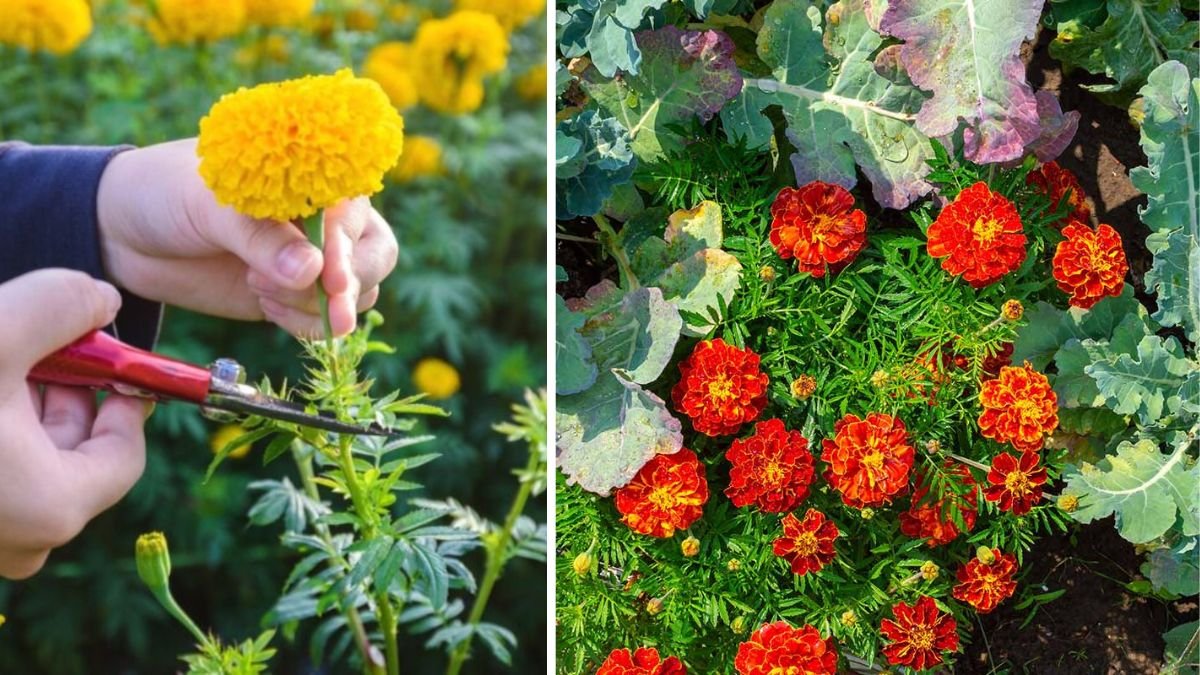
When it comes to planning a thriving vegetable garden, most gardeners focus on soil quality, watering schedules, and choosing the right vegetable varieties. Yet, there’s a powerful ally in the plant kingdom that often gets overlooked: marigolds. These cheerful, vibrant flowers are more than just a splash of color; they can bring a host of surprising benefits to your vegetable garden, making them a must-have companion plant.
The Natural Pest Repellent
One of the most well-known advantages of marigolds is their ability to repel harmful pests. Marigolds produce compounds such as thiophenes, which are toxic to many nematodes—microscopic worms that attack the roots of vegetables like tomatoes, peppers, and beans. By planting marigolds alongside your vegetables, you create a natural barrier that helps protect your crops without the need for chemical pesticides.
For example, research has shown that interplanting marigolds with tomatoes can significantly reduce root-knot nematode populations, leading to healthier plants and bigger yields. This is particularly beneficial for organic gardeners who wish to minimize chemical use but still want effective pest control.
Attracting Beneficial Insects
While marigolds repel harmful insects, they also attract beneficial ones. Predatory insects such as ladybugs, lacewings, and parasitic wasps are drawn to marigold flowers. These natural predators help keep common garden pests in check.
Ladybugs, for instance, feed on aphids—a frequent menace in vegetable gardens that can stunt growth and spread diseases. Similarly, parasitic wasps target caterpillars and other insect larvae that could damage your crops. By planting marigolds, you create a balanced ecosystem where beneficial insects thrive, naturally supporting the health of your vegetable garden.
Improving Soil Health
Marigolds aren’t just good for pest control; they also contribute to soil health. Certain types of marigolds, such as French marigolds (Tagetes patula), release chemicals into the soil that can suppress harmful nematodes and other soil-borne pathogens. These chemicals, which occur naturally in their roots and decaying matter, act as a natural soil conditioner, helping to reduce disease pressure and improve overall soil quality.
Moreover, marigold roots can help improve soil structure. Their roots break up compacted soil, enhancing aeration and drainage, which is essential for vegetables like carrots, radishes, and beets that require loose, well-draining soil to grow properly.
Enhancing Pollination
Pollination is critical for vegetable production, especially for crops like cucumbers, squash, tomatoes, and peppers. Marigolds attract pollinators such as bees and hoverflies, which increase the pollination rates of nearby vegetables. More pollination means more fruits and higher yields.
Additionally, flowering marigolds bloom over an extended period, providing a consistent food source for pollinators throughout the growing season. This ensures that beneficial insects remain in your garden, supporting your vegetables from seedling to harvest.
Companion Planting Benefits
Marigolds are excellent companion plants. They are versatile, easy to grow, and work well with a wide variety of vegetables. Here are a few specific pairings that can benefit from marigolds:
- Tomatoes: Marigolds deter nematodes and other pests while attracting pollinators, boosting fruit production.
- Cucumbers: Marigolds repel cucumber beetles and attract predatory insects that reduce pest populations.
- Peppers: The nematode-suppressing properties of marigolds help protect the delicate roots of pepper plants.
- Beans: Marigolds deter aphids and other harmful insects, promoting healthier growth.
When planting marigolds as companions, it’s best to space them evenly throughout the vegetable bed rather than clustering them in one corner. This ensures that their protective and pollinator-attracting benefits are distributed across your crops.
Adding Aesthetic Value
While marigolds are celebrated for their practical benefits, their visual appeal should not be underestimated. Their bright yellows, oranges, and reds can transform a vegetable garden into a vibrant, lively space. A visually appealing garden encourages regular attention and maintenance, which ultimately benefits plant health and productivity.
Furthermore, the cheerful color of marigolds can act as a visual marker for different sections of your garden, helping you organize planting areas, track companion plants, and monitor crop rotation patterns more efficiently.
Easy to Grow and Maintain
Marigolds are incredibly easy to grow, making them accessible to gardeners of all skill levels. They thrive in full sun and well-draining soil, tolerating a wide range of soil conditions. Marigolds are also relatively drought-tolerant once established, reducing the need for constant watering.
Additionally, they have a long blooming season, often lasting from late spring until the first frost. Deadheading spent flowers can further encourage continuous blooms, ensuring that your garden benefits from their protective and pollinator-attracting properties for months on end.
Multiple Varieties to Choose From
Marigolds come in various sizes and types, giving gardeners flexibility in design and function. For instance:
- French marigolds (Tagetes patula): Small, compact flowers ideal for border planting and interspersing with vegetables.
- African marigolds (Tagetes erecta): Taller plants that can act as natural windbreaks or visual focal points.
- Signet marigolds (Tagetes tenuifolia): Delicate, edible flowers with a citrusy flavor, which can even be used in salads or garnishes.
Selecting the right variety allows gardeners to tailor their marigold plantings to their specific garden layout, crop selection, and aesthetic preferences.
Natural Weed Suppression
Marigolds can also help suppress weeds. Their dense growth habit shades the soil, reducing sunlight available to weed seeds and slowing their germination. This not only saves time on weeding but also reduces competition for nutrients and water, giving your vegetables a stronger start.
Additionally, their strong scent can confuse and deter certain weed seeds from germinating nearby, making marigolds a subtle but effective tool in maintaining a clean and productive garden bed.
Supporting Biodiversity
Planting marigolds in your vegetable garden contributes to greater biodiversity. They provide food and shelter for insects, birds, and even small mammals, fostering a more resilient and self-sustaining ecosystem. A biodiverse garden is naturally better at resisting pests, diseases, and environmental stress, which leads to healthier crops and more consistent harvests.
Tips for Maximizing Marigold Benefits
To get the most out of marigolds in your vegetable garden, consider these practical tips:
- Plant Throughout the Garden: Instead of confining marigolds to the edges, distribute them among your vegetables to maximize pest control and pollination benefits.
- Choose Disease-Resistant Varieties: Some marigolds are more resistant to fungal diseases and mildew. Selecting hardy varieties ensures they thrive alongside your vegetables.
- Rotate Annually: Like other crops, rotating marigolds yearly prevents soil-borne diseases from building up and keeps pest populations in check.
- Combine With Other Companion Plants: Pair marigolds with basil, nasturtiums, or calendula for an even stronger defense against pests and to attract a diverse range of beneficial insects.
- Deadhead Regularly: Removing spent flowers encourages more blooms and extends the period during which pollinators are attracted to your garden.
Conclusion
Marigolds are much more than decorative flowers—they are versatile allies for any vegetable garden. From natural pest repellents to pollinator attractors, soil enhancers, and weed suppressors, their advantages are both surprising and substantial. By incorporating marigolds into your garden design, you not only boost the health and productivity of your vegetables but also create a more vibrant, biodiverse, and resilient garden ecosystem.
Whether you’re an experienced gardener or just starting, planting marigolds is a simple yet highly effective way to transform your vegetable garden. Their cheerful blooms bring color, their roots bring protection, and their presence supports a thriving community of beneficial insects. Embrace the power of marigolds, and watch your garden flourish in ways you never imagined.