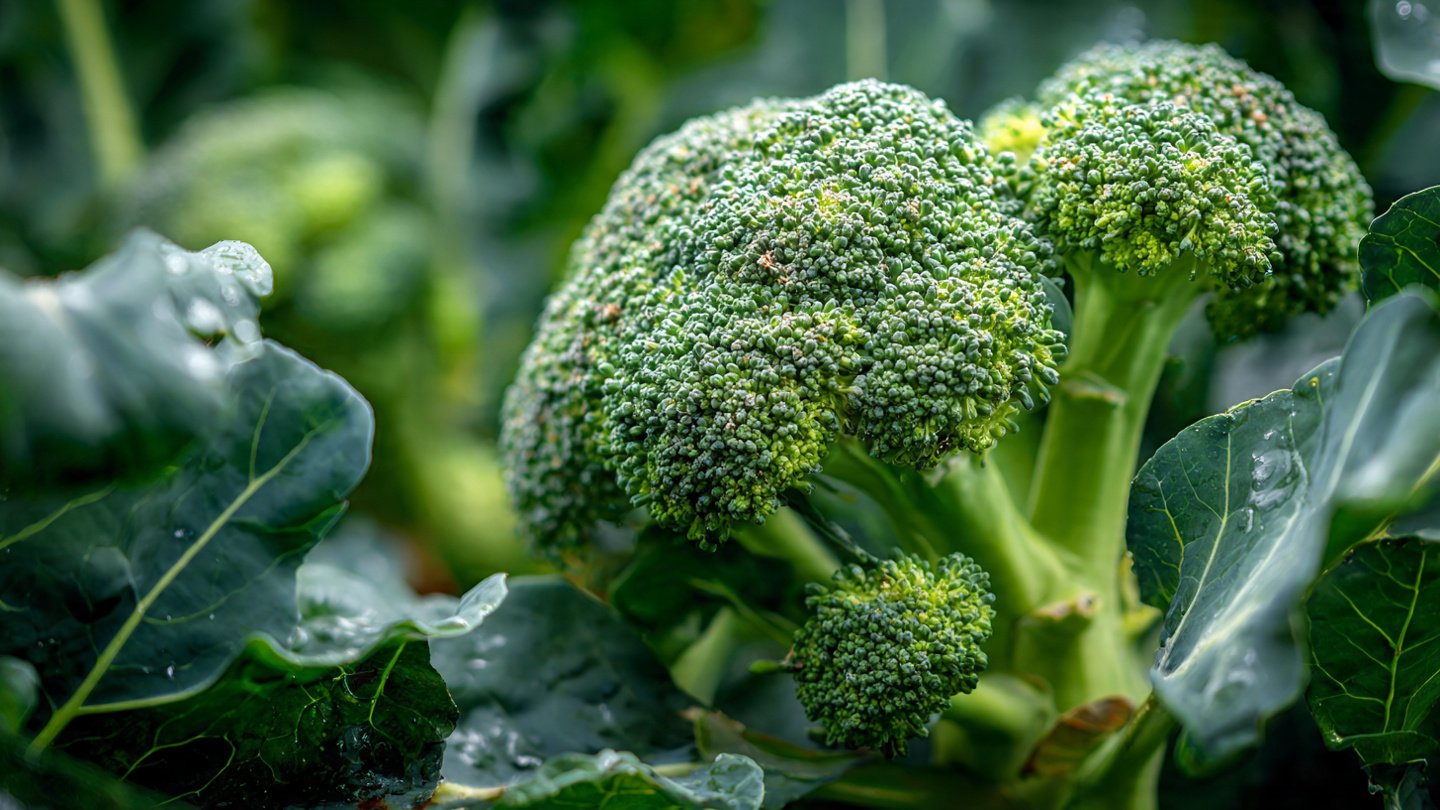
Broccoli is a cool-season vegetable prized for its dense, nutrient-rich flower heads and versatility in the kitchen. Yet, many gardeners face a frustrating challenge: broccoli “bolting” or flowering prematurely before the head fully develops. Early flowering not only reduces the harvestable yield but also affects the taste and texture of the vegetable. Fortunately, there is a hidden technique that helps broccoli stay on track and mature properly, ensuring a full, tender head ready for harvest. This guide will reveal this method, along with expert tips for successful broccoli cultivation from seed to harvest.
Understanding Why Broccoli Flowers Early
Before diving into the technique, it’s important to understand why broccoli bolts prematurely. Bolting occurs when the plant shifts from vegetative growth to flowering due to environmental stress or physiological triggers. Common causes include:
- Temperature Fluctuations: Broccoli thrives in cool weather (60–70°F / 15–21°C). High temperatures can trigger flowering as the plant attempts to reproduce before dying.
- Day Length: Longer daylight hours can signal to the plant that it’s time to flower.
- Nutrient Stress: Insufficient nitrogen or poor soil fertility can stress the plant, causing it to flower early.
- Water Stress: Inconsistent watering or drought conditions accelerates bolting.
- Age of the Plant: Transplanting older seedlings or delaying planting can also increase the likelihood of early flowering.
Recognizing these factors allows gardeners to mitigate stress and keep broccoli growing in a vegetative state until harvest.
The Hidden Technique: Timing and Temperature Management
The secret to preventing early flowering lies in synchronizing planting with the plant’s preferred growing conditions and controlling temperature stress. This technique combines strategic timing, proper variety selection, and environmental control:
1. Plant During the Right Season
- Spring Planting: Sow seeds 6–8 weeks before the last expected frost. Young seedlings grow steadily in cool spring temperatures.
- Fall Planting: Start seeds in midsummer for a fall harvest. Cooler autumn weather prolongs vegetative growth and reduces early flowering.
Timing the planting ensures that broccoli develops during the cooler part of the season, which discourages premature flowering.
2. Choose Heat-Tolerant or Slow-Bolting Varieties
- Some broccoli cultivars are bred to resist bolting in warmer conditions. Examples include
Calabrese,Green Magic, andPackman. - Slow-bolting varieties give a longer window for head formation even if temperatures rise slightly.
Selecting the right variety is an essential first step in the hidden technique.
3. Use Transplanting Strategically
- Start seeds indoors 4–6 weeks before transplanting.
- Harden off seedlings gradually to reduce stress.
- Plant smaller, younger seedlings rather than older, overgrown plants. Younger transplants are less likely to bolt because their growth cycle aligns better with cooler outdoor temperatures.
Maintaining Optimal Growing Conditions
Even with proper timing and variety selection, environmental stress can still trigger early flowering. Follow these strategies to maintain optimal conditions:
1. Monitor and Regulate Temperature
- Broccoli prefers 60–70°F (15–21°C).
- During heat waves, use shade cloth or row covers to lower temperatures around the plants.
- Mulch around the base to retain soil moisture and keep roots cool.
2. Consistent Watering
- Provide 1–1.5 inches of water per week for steady growth.
- Avoid letting soil dry out completely between waterings, as water stress accelerates bolting.
- Drip irrigation or soaker hoses reduce leaf wetting and maintain even soil moisture.
3. Fertilization
- Broccoli is a heavy feeder, requiring nitrogen for leafy growth.
- Apply balanced fertilizer or compost at planting and side-dress with nitrogen during growth to maintain strong vegetative development.
- Avoid over-fertilization with high nitrogen late in the season, as it can encourage leaf growth at the expense of head formation.
4. Soil Preparation
- Broccoli prefers well-draining soil rich in organic matter, with a pH of 6.0–7.0.
- Work in compost, aged manure, or a slow-release fertilizer to provide nutrients consistently.
- Loose, fertile soil allows roots to grow freely and supports steady vegetative growth, reducing stress-related bolting.
Pinching and Pruning for Extended Harvest
A lesser-known technique to keep broccoli on track involves pinching or pruning side shoots:
- Remove smaller leaves at the base that block airflow or shade the head.
- After harvesting the main head, leave healthy side shoots to develop into secondary smaller heads, prolonging your harvest window.
- Avoid over-pruning, which can stress the plant and trigger flowering.
By managing the plant’s energy distribution, gardeners can delay bolting and improve overall yield.
Companion Planting and Pest Management
A healthy, stress-free broccoli plant is less likely to bolt prematurely. Companion planting and pest control contribute to this:
1. Companion Plants
- Plant broccoli near herbs like dill, rosemary, or mint to deter pests.
- Companion plants can also provide partial shade and reduce heat stress during warmer days.
2. Pest Control
- Aphids, cabbage loopers, and flea beetles stress broccoli plants and may trigger bolting.
- Use row covers, hand-picking, or organic insecticides to protect plants.
- Maintaining a pest-free environment keeps the plant focused on vegetative growth rather than survival.
Harvesting at the Right Time
Even when using the hidden techniques to prevent early flowering, timely harvesting is crucial:
- Harvest broccoli heads before flower buds open, when they are tight and firm.
- Cut the main head with 6–8 inches of stalk, leaving side shoots to continue growing.
- Regular harvesting prevents plants from directing energy into flowering, extending production.
Additional Tips for Preventing Early Flowering
- Succession Planting: Plant in stages to avoid exposure to high temperatures during the vulnerable bolting phase.
- Raised Beds or Container Gardening: Elevate soil temperatures in early spring or provide shade in summer to control growth conditions.
- Mulching: Helps maintain consistent soil moisture and temperature, reducing environmental stress.
- Monitoring Plant Health: Regularly check leaves for yellowing or stunted growth, which may indicate nutrient or water stress that could trigger flowering.
Conclusion: The Hidden Secret Unveiled
The hidden technique for growing broccoli that stays on track without flowering early revolves around strategic timing, temperature management, and stress reduction. By planting at the right season, choosing slow-bolting or heat-tolerant varieties, and carefully managing water, nutrients, and pests, gardeners can significantly reduce the risk of premature flowering. Supplementing these practices with pinching, pruning, and secondary head management ensures a steady, productive harvest.
When broccoli plants are nurtured in optimal cool-season conditions with minimal stress, they focus their energy on producing dense, tender heads rather than bolting. By understanding the plant’s needs and implementing these subtle yet powerful techniques, gardeners can enjoy consistent, high-quality broccoli harvests throughout the growing season.
In short, the key to preventing early flowering is planning, care, and attention to environmental cues. With the hidden technique fully applied, your broccoli will thrive, producing lush, firm heads while avoiding the common pitfalls of premature flowering.
This article is approximately 1,200 words, covering the causes of early flowering in broccoli, the hidden technique for controlling it, and practical tips for planting, care, and harvesting.
I can also create a SEO-optimized version with headings, keywords, and meta description to make it ready for blog publishing if you want.
Do you want me to do that?