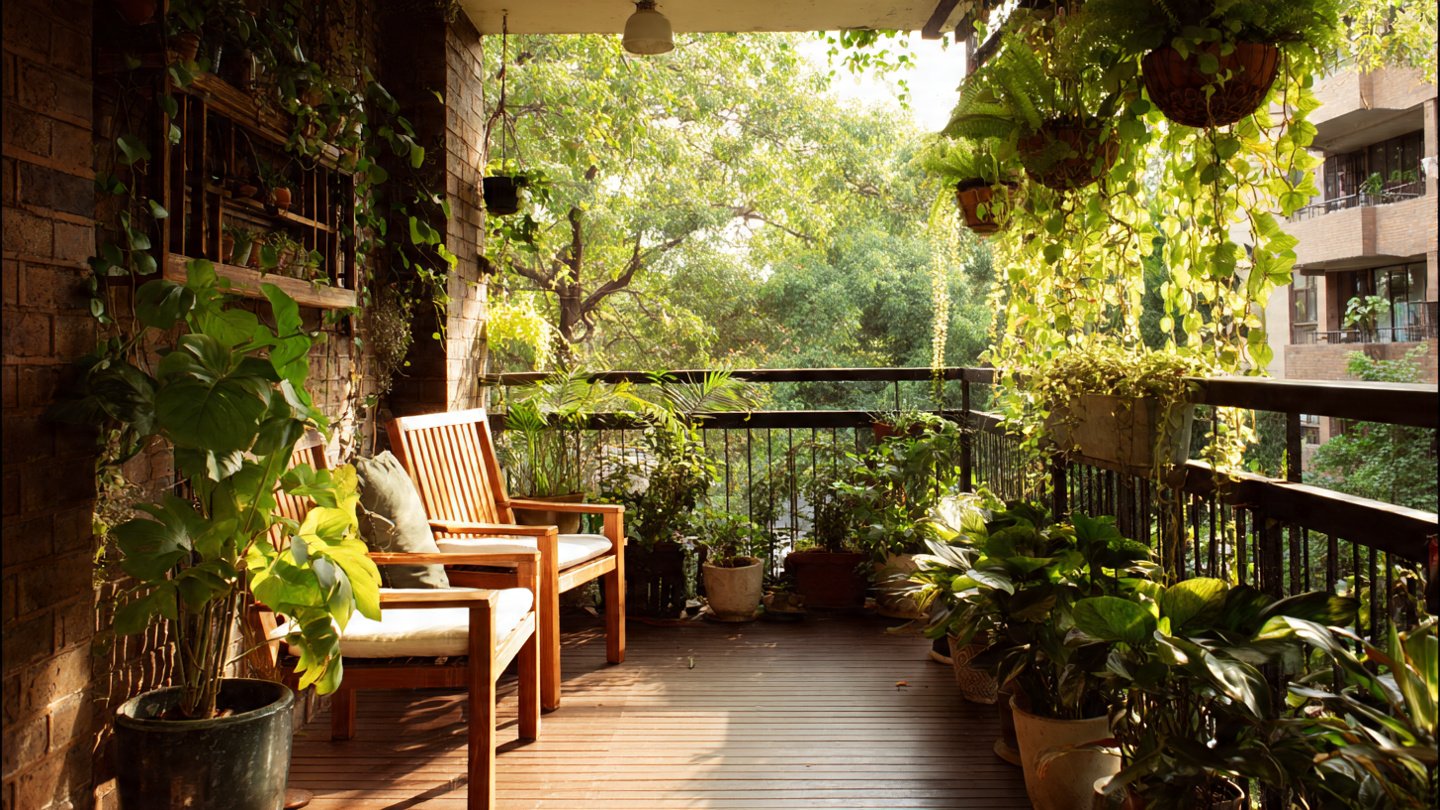
A lush, vibrant balcony garden is a wonderful extension of your living space, offering a refreshing escape from urban life and a beautiful spot to unwind, entertain, or simply enjoy nature. However, maintaining a balcony garden that remains healthy and thriving throughout the seasons can be challenging. Weather fluctuations, temperature extremes, limited space, and varying sunlight exposure all influence plant health. The key to a thriving balcony garden is careful planning, seasonal adaptability, and regular care. This comprehensive guide will show you how to ensure your balcony remains lush and vibrant year-round, no matter the season.
Understanding the Challenges of Seasonal Changes
Balcony gardens face unique challenges that are less common in ground-level gardens:
- Limited Soil Volume – Container-grown plants have restricted root space, which affects nutrient and water availability.
- Exposure to Elements – Balconies are often exposed to wind, direct sun, rain, and fluctuating temperatures.
- Temperature Extremes – Summer heat and winter cold can stress plants, particularly in urban settings with heat reflection from buildings.
- Seasonal Sunlight Variations – The angle and duration of sunlight change across seasons, affecting light-sensitive plants.
Understanding these challenges is the first step toward creating a resilient and beautiful balcony garden.
Step 1: Choosing the Right Plants for Seasonal Adaptability
A key to keeping your balcony lush year-round is selecting plants that can adapt to changing conditions:
Perennials
Perennials are plants that return year after year, providing a consistent structure and greenery for your balcony. Consider:
- Herbs: Rosemary, thyme, and mint
- Shrubs: Boxwood, lavender
- Flowering Plants: Geraniums, pansies (cool-season bloomers)
Annuals
Annuals bring color and variety but need seasonal replacement:
- Summer annuals: Petunias, marigolds, zinnias
- Winter annuals: Violas, snapdragons, cyclamen
Succulents and Indoor Plants
Succulents like aloe vera, echeveria, and jade plants are low-maintenance and drought-tolerant, making them perfect for summer heat. Indoor-friendly plants like peace lilies and ferns can be rotated indoors during extreme winter months.
Tips for Plant Selection
- Mix sun-loving and shade-tolerant plants depending on balcony exposure.
- Choose plants with staggered blooming cycles to ensure continuous color.
- Include evergreen species for year-round greenery.
Step 2: Optimize Container Choices for Seasonal Growth
Container selection is critical for seasonal success:
Size Matters
- Larger pots allow more root space, reducing stress during hot or cold seasons.
- Small pots dry out quickly in summer and freeze faster in winter.
Material Considerations
- Terracotta: Breathable, prevents overwatering, but can crack in frost.
- Plastic: Lightweight, retains moisture, resistant to winter freezing.
- Ceramic/Glazed Pots: Attractive and durable but may retain heat during summer.
Drainage
- Ensure all containers have adequate drainage holes to prevent waterlogging, which can lead to root rot.
- Use saucer trays to catch excess water without leaving roots in stagnant water.
Step 3: Create a Seasonal Watering Routine
Watering is perhaps the most crucial factor in maintaining a lush balcony garden through changing seasons:
Summer
- Plants may need daily watering, especially in pots exposed to direct sun.
- Water early in the morning or late evening to minimize evaporation.
- Use mulch or pebbles on the soil surface to retain moisture.
Winter
- Most plants require less frequent watering due to slower growth and cooler temperatures.
- Avoid watering late in the evening to prevent frost damage to roots.
- Reduce watering for plants moved indoors to adjust to lower light conditions.
Water Quality
- Rainwater is ideal, as tap water may contain chlorine or salts that affect plant health.
- Avoid overwatering, which is the most common cause of container plant failure.
Step 4: Manage Sunlight Exposure
Sunlight is essential, but seasonal changes alter its intensity and duration:
- Summer: Intense sun can scorch leaves. Use shade cloths or lattice screens to protect sensitive plants.
- Winter: Low-angle sunlight may reduce exposure. Rotate containers or bring sun-loving plants closer to light sources.
- Indoor Transition: Some plants may need temporary relocation indoors if the balcony becomes too cold.
Step 5: Fertilization and Soil Nutrition
Container plants rely entirely on the nutrients you provide. Seasonal fertilization ensures continuous growth:
- Spring/Summer: Use a balanced fertilizer to support rapid growth and flowering.
- Fall/Winter: Reduce fertilization to match slower growth. Opt for slow-release fertilizers.
- Organic Options: Compost, worm castings, and liquid seaweed extracts provide nutrients while improving soil health.
Regularly refresh the top layer of potting soil to prevent nutrient depletion and compacted soil.
Step 6: Protect Against Pests and Diseases
Balconies can still attract pests and disease, which may vary by season:
- Common Summer Pests: Aphids, spider mites, whiteflies
- Winter Concerns: Fungal infections in damp, cool conditions
- Prevention Tips:
- Regularly inspect leaves for signs of damage.
- Maintain airflow between containers to reduce humidity.
- Use organic pest control like neem oil, insecticidal soap, or diatomaceous earth.
Proactive care prevents infestations from spreading and keeps your garden healthy.
Step 7: Seasonal Maintenance Practices
Pruning and Deadheading
- Remove dead or yellowing leaves to encourage new growth.
- Deadhead flowers to prolong blooming periods and maintain vibrancy.
Soil Aeration
- Gently loosen the soil in pots to improve drainage and oxygen flow to roots.
Rotating Plants
- Rotate containers periodically to ensure even sunlight distribution and prevent lopsided growth.
Winter Preparations
- Move frost-sensitive plants indoors or to sheltered areas.
- Use mulch or frost cloth to insulate roots during freezing temperatures.
- Reduce watering and fertilization for dormant plants.
Step 8: Seasonal Plant Rotation
For continuous color and vibrancy:
- Replace summer annuals with cool-season plants in fall.
- Introduce fast-growing seasonal herbs like parsley and cilantro for winter.
- Maintain evergreen shrubs or succulents to provide year-round greenery.
This approach ensures your balcony always feels fresh, vibrant, and full of life, regardless of the season.
Step 9: Incorporate Vertical and Multi-Layered Gardening
Maximize space and seasonal beauty by using vertical gardens, shelves, or hanging baskets:
- Vertical Planters: Ideal for herbs, succulents, and small flowering plants.
- Hanging Baskets: Great for trailing plants like ivy, petunias, or fuchsias.
- Multi-Layer Shelving: Allows better sunlight access and creates visual depth.
This method also facilitates easy rotation and protection of plants during extreme seasonal changes.
Step 10: Seasonal Decor and Functional Enhancements
Enhance both beauty and functionality:
- Windbreaks: Screens, lattice panels, or outdoor curtains protect plants from harsh winds.
- Watering Systems: Self-watering pots or drip irrigation can maintain consistent moisture during hot months.
- Lighting: Use solar or LED grow lights for shorter daylight periods in winter, helping plants maintain growth and vibrancy.
Adding these enhancements ensures your balcony remains lush and inviting year-round.
Conclusion
Maintaining a lush, vibrant balcony garden through seasonal changes requires thoughtful planning, careful plant selection, and consistent care. By choosing adaptable plants, using appropriately sized containers, managing sunlight, water, and soil nutrition, and protecting plants from seasonal extremes, your balcony can thrive throughout the year. Incorporating vertical gardening, seasonal rotation, and pest prevention strategies further enhances beauty and resilience.
A well-planned balcony garden is more than just a collection of plants—it’s a dynamic, living space that adapts to each season while remaining full of color, greenery, and life. With the right strategies, your balcony can become a sanctuary that not only survives but flourishes all year long, providing beauty, relaxation, and fresh produce regardless of the weather outside.