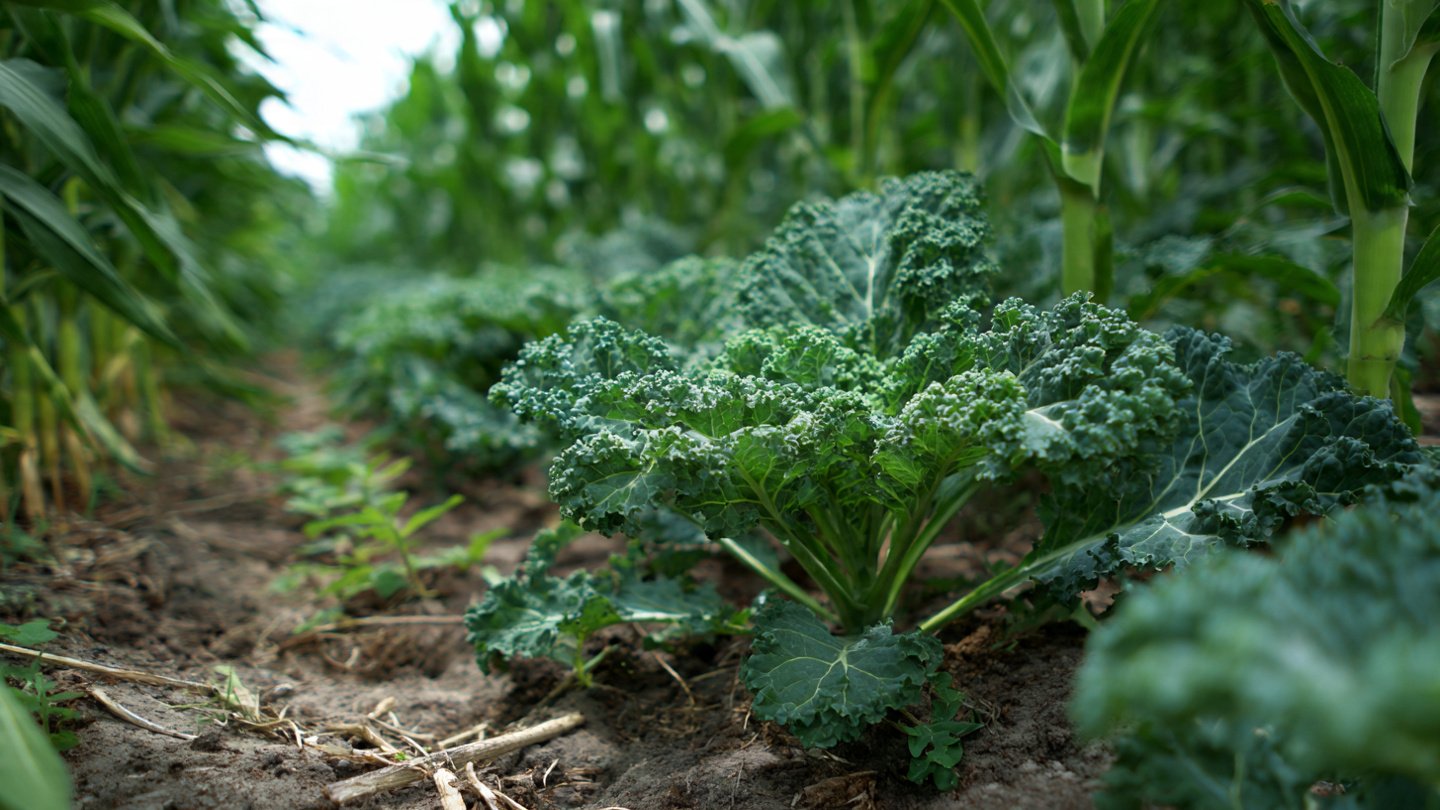
When it comes to vegetable gardening, clever planting strategies can maximize space, improve yields, and reduce pests. One of the most effective yet often overlooked methods is companion planting, where crops are strategically grown together to complement each other. A classic example of this is planting kale in the shade of corn—a combination that can benefit both plants while making your garden more productive and sustainable.
In this article, we’ll explore why this pairing works, how to plant and care for kale under corn, and tips to make your garden thrive.
Understanding Companion Planting
Companion planting is the practice of growing different plants together to provide mutual benefits, such as:
- Shade and protection
- Pest control
- Improved nutrient uptake
- Higher overall yields
Traditional gardening wisdom, like the Native American “Three Sisters” method, demonstrates the value of intercropping corn, beans, and squash. Similarly, pairing kale with corn can create a mini ecosystem that enhances growth and health for both crops.
Why Kale Benefits from Corn’s Shade
Kale is a cool-weather leafy green that thrives in mild temperatures and can sometimes struggle in full sun, especially during the hottest part of the year. Corn, with its tall stalks, can provide partial shade, which offers several benefits:
1. Protection from Heat Stress
Excessive sunlight and high temperatures can cause kale leaves to bolt (flower prematurely) or develop a bitter taste. Growing kale in the shade of corn stalks helps maintain cooler soil and leaf temperatures, preventing stress.
2. Reduced Water Evaporation
Shaded soil loses less moisture, meaning your kale roots remain hydrated longer. This is especially helpful during dry spells or in regions with hot summers.
3. Pest Management
Corn can act as a physical barrier against some pests that target leafy greens. While not a complete solution, the microclimate created by corn can reduce exposure to certain insects.
4. Space Efficiency
Corn and kale occupy different layers of the garden vertically. Corn grows tall, while kale spreads outward at lower heights. Planting them together uses both vertical and horizontal space, making your garden more productive.
Preparing Your Garden for Corn and Kale
To make this planting strategy work, proper preparation is essential:
1. Choosing the Right Corn Variety
- Tall, sturdy varieties work best for shading kale
- Consider sweet corn or popcorn depending on your preference
- Avoid dwarf corn varieties if your goal is to provide significant shade
2. Selecting Kale Varieties
- Curly kale is more heat-tolerant but still benefits from partial shade
- Lacinato or dinosaur kale thrives in cooler conditions and may prefer shaded areas during summer
- Choose disease-resistant varieties to reduce stress on the plant
3. Soil Preparation
Both corn and kale require fertile, well-draining soil. Steps include:
- Adding compost or well-rotted manure to improve fertility
- Ensuring a neutral to slightly acidic pH (6.0–7.0)
- Loosening soil to support strong root development for both crops
Planting Kale with Corn: Step-by-Step
Step 1: Plan Your Layout
- Corn should be planted in rows or blocks to maximize shade coverage
- Kale can be planted on the south or west side of the corn to receive filtered light
- Consider spacing:
- Corn: 8–12 inches between plants in rows
- Kale: 12–18 inches between plants to allow for leafy spread
Step 2: Timing Matters
- Plant corn first, as it grows quickly and establishes height
- Sow kale seeds or seedlings after corn reaches about 6–8 inches tall, providing some initial shade
- Alternatively, plant kale in early spring if corn will be mid-height by summer
Step 3: Watering and Mulching
- Water deeply at planting to encourage root establishment
- Use mulch around kale to retain soil moisture and reduce weeds
- Corn will also benefit from consistent moisture, especially during tassel and ear development
Step 4: Fertilization
- Both crops are heavy feeders:
- Apply balanced fertilizer or compost at planting
- Side-dress corn with nitrogen during mid-growth
- Fertilize kale lightly to promote leaf growth without overwhelming the corn
Maintenance Tips for the Corn-Kale Pair
1. Monitor Sunlight
Even with corn shading, kale still needs 3–6 hours of indirect light. Observe your garden and adjust spacing or orientation if kale is too shaded.
2. Pest Management
- Common pests for kale include aphids, cabbage worms, and flea beetles
- Corn may attract corn earworms or corn borers
- Companion planting may reduce stress but inspect plants regularly
- Use row covers, neem oil, or natural predators as needed
3. Pruning and Support
- Remove lower corn leaves if they overly shade kale in early growth
- Stake corn plants in windy areas to prevent falling over and damaging kale
- Regularly harvest kale leaves to encourage new growth and prevent overcrowding
Benefits Beyond Shade
Planting kale under corn isn’t just about shade. This combination offers additional advantages:
1. Extends Growing Season
- Shaded kale grows slower but steadier, extending the harvest window
- Less heat stress reduces bolting and bitter leaves
2. Soil Health
- Corn roots reach deep into the soil, loosening it and improving drainage
- Kale’s leafy residue contributes organic matter when harvested or composted
3. Biodiversity
- Growing multiple crops together supports beneficial insects
- Reduces monoculture risks and promotes a healthier garden ecosystem
4. Efficient Space Use
- Vertical layering allows gardeners with small yards or container gardens to grow more vegetables per square foot
Challenges and How to Overcome Them
While planting kale under corn is beneficial, some challenges may arise:
Challenge 1: Overcrowding
- Ensure proper spacing to avoid competition for light, water, and nutrients
- Thin kale plants if they grow too close to corn stalks
Challenge 2: Uneven Growth
- Kale may grow unevenly if corn stalks tilt or create patchy shade
- Plant kale strategically to ensure consistent indirect light
Challenge 3: Nutrient Competition
- Both crops are heavy feeders; poor soil can lead to deficiencies
- Use compost or organic fertilizer regularly to maintain fertility
Tips for Maximizing Your Corn-Kale Garden
- Interplant in blocks rather than single rows for more consistent shade
- Rotate crops yearly to reduce soil-borne diseases
- Harvest kale regularly to encourage new leaves and prevent it from being overshadowed
- Use organic mulch to retain moisture and reduce temperature swings
- Experiment with other companion plants, like beans or nasturtiums, to further enhance growth
Conclusion
Planting kale in the shade of your corn is a smart and efficient gardening strategy. This combination leverages natural shading, protects kale from heat stress, improves soil moisture retention, and encourages biodiversity in your garden. By carefully planning spacing, timing, and maintenance, gardeners can enjoy lush, healthy kale alongside tall, productive corn.
This method is ideal for gardeners looking to maximize space, improve yields, and create a more resilient garden ecosystem. Next time you plan your vegetable beds, consider the humble pairing of kale and corn—your plants (and your taste buds) will thank you.