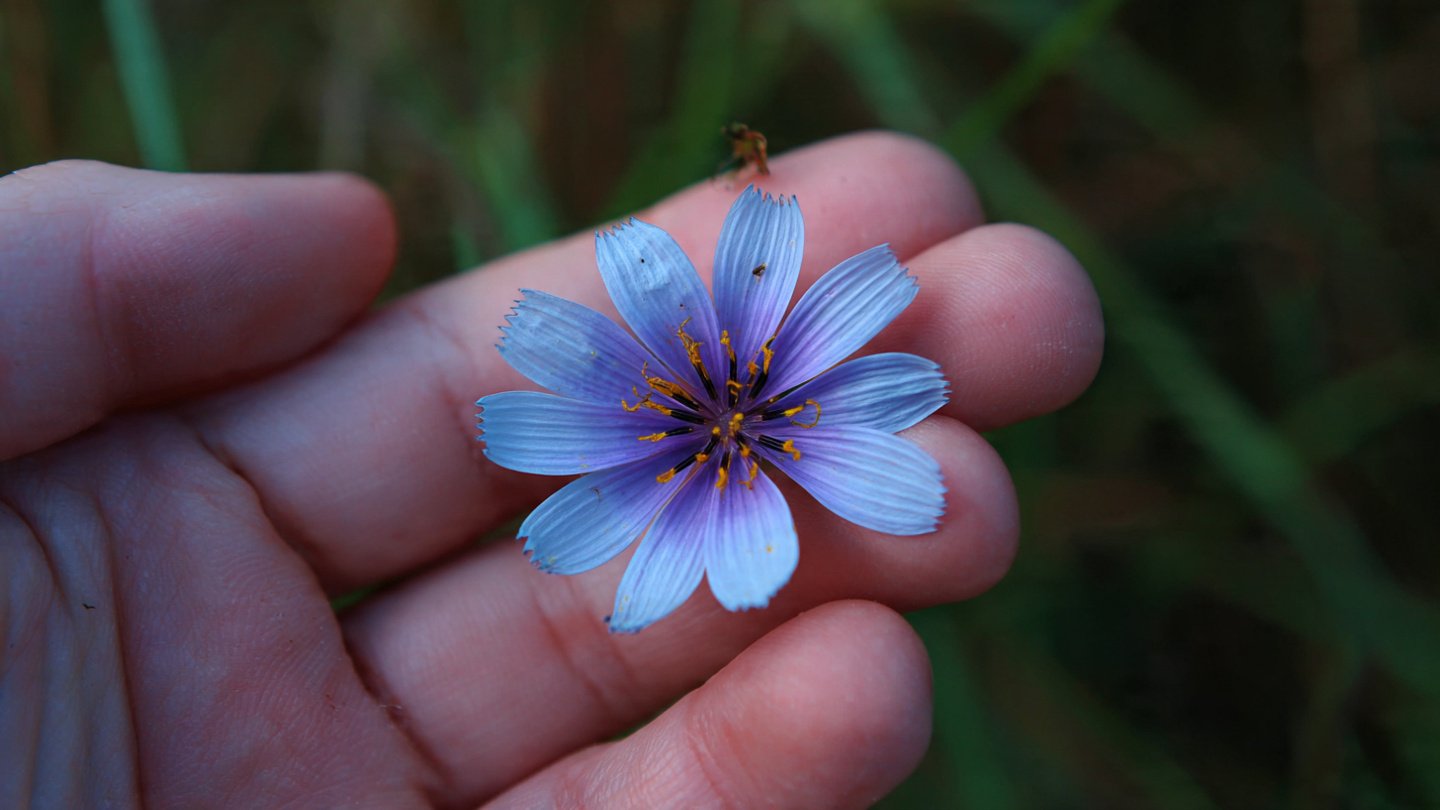
Wildflowers add beauty and vibrancy to natural landscapes, roadsides, and even your backyard. Their delicate petals, vibrant colors, and unique forms make them irresistible to many nature enthusiasts. However, some common wildflowers, while visually stunning, can pose risks if touched. Understanding why certain wildflowers should be admired from a distance is essential for both your safety and the preservation of local ecosystems.
In this guide, we’ll explore why touching some wildflowers is dangerous, the potential health effects, ecological consequences, and tips for safely enjoying these natural wonders.
The Allure of Common Wildflowers
Wildflowers are often overlooked as simple plants, but they are remarkable in their ecological and aesthetic roles:
- Vibrant Colors: Many wildflowers display brilliant hues that attract pollinators and human admirers alike.
- Unique Shapes: From tubular blooms to star-shaped petals, their forms are both functional and beautiful.
- Seasonal Variety: Depending on the region, wildflowers can bloom throughout the year, creating ever-changing landscapes.
- Ecological Importance: They support bees, butterflies, and other pollinators crucial for ecosystems.
Given their beauty, it’s natural to want to touch, smell, or pick them. Yet, this impulse can sometimes lead to harm.
Why Some Wildflowers Are Dangerous to Touch
While many wildflowers are harmless, certain species contain toxins or irritants that can cause skin reactions, allergic responses, or other health issues. The reasons you should avoid touching some wildflowers include:
1. Skin Irritation and Allergic Reactions
Some wildflowers produce chemical compounds that act as defensive mechanisms. These compounds can:
- Cause rashes, redness, or hives upon contact.
- Trigger itching, swelling, or blisters.
- Exacerbate existing skin sensitivities in children or individuals with eczema.
For example, plants in the buttercup family (Ranunculaceae) can produce a substance called protoanemonin, which irritates skin and mucous membranes.
2. Toxicity If Ingested
Many wildflowers are poisonous if ingested, even in small quantities:
- Some species contain alkaloids or glycosides that affect the nervous system or digestion.
- Accidental ingestion by children or pets can lead to vomiting, diarrhea, dizziness, or more severe reactions.
Touching these flowers with unwashed hands can leave residues that are accidentally ingested later, such as while eating.
3. Plant Defense Mechanisms
Wildflowers have evolved chemical or physical defenses to deter herbivores:
- Thorns or spines may be hidden among leaves or petals, causing scratches.
- Sticky or hairy coatings can trap small insects but irritate human skin.
- Latex or sap from stems or leaves may contain toxic compounds.
Admiring wildflowers without touching them respects both your safety and the plant’s natural defense strategies.
Ecological Consequences of Touching Wildflowers
Beyond personal safety, touching wildflowers can have negative ecological impacts:
- Damage to the Plant: Frequent handling can break stems, bruise petals, or disrupt growth, reducing the plant’s ability to reproduce.
- Disturbance of Pollinators: Bees, butterflies, and other pollinators rely on pristine flowers. Touching flowers can disrupt pollen transfer, affecting local plant reproduction.
- Spread of Disease: Oils or pathogens on human skin can be transferred to the plant, potentially causing fungal or bacterial infections.
- Impact on Seed Production: Damaging flowers can prevent seed formation, reducing natural propagation and biodiversity.
Wildflowers are integral to ecosystems, and even small disturbances can have long-term consequences.
Common Wildflowers That Should Not Be Touched
While local species vary, some widely found wildflowers are not safe to handle without caution:
1. Poison Hemlock (Conium maculatum)
- Tall plant with white umbrella-shaped flowers.
- Highly toxic if touched or ingested.
- Can cause skin irritation and severe poisoning.
2. Foxglove (Digitalis purpurea)
- Elegant bell-shaped purple flowers.
- Contains cardiac glycosides that are toxic to humans and pets.
- Handle with gloves if necessary.
3. Buttercups (Ranunculus spp.)
- Small yellow flowers found in fields and meadows.
- Contains protoanemonin, causing skin irritation or blisters.
- Avoid contact, especially with bare skin.
4. Nightshade (Solanum spp.)
- White or purple star-shaped flowers.
- Toxic berries and leaves; can cause vomiting or neurological symptoms.
5. Other Irritating Wildflowers
- Larkspur, Monkshood, and Jimsonweed – all contain toxic compounds affecting skin or internal organs.
Recognizing these common plants helps you enjoy their beauty safely.
How to Safely Enjoy Wildflowers
You don’t have to avoid wildflowers entirely. Here are ways to appreciate them without risking harm:
1. Observe From a Distance
- Keep hands off, especially if you are unsure of the species.
- Take photographs to capture beauty without physical contact.
2. Wear Protective Gear
- Gloves can prevent skin contact if you need to handle plants for gardening or identification.
- Long sleeves and pants protect against accidental scratches or irritation.
3. Educate Yourself About Local Flora
- Learn to identify hazardous plants in your area.
- Use field guides, apps, or local botanical societies for reference.
4. Teach Children About Plant Safety
- Explain that not all plants are safe to touch.
- Encourage observation and photography rather than picking or handling.
5. Respect Wildlife Interactions
- Avoid disturbing insects, birds, or pollinators while appreciating flowers.
- Understand that wildflowers are part of a delicate ecological balance.
Benefits of Admiring Without Touching
Avoiding direct contact offers multiple advantages:
- Personal Safety: Prevents skin irritation, allergic reactions, and accidental poisoning.
- Plant Preservation: Reduces damage to stems, petals, and reproductive parts.
- Pollinator Support: Keeps pollen intact for bees, butterflies, and other pollinators.
- Long-Term Enjoyment: Flowers remain vibrant for everyone to enjoy over time.
Admiring wildflowers safely allows both humans and nature to benefit from their presence.
Simple Rules for Wildflower Interaction
- Look, don’t touch.
- Take photos instead of picking flowers.
- Avoid disturbing flowers in meadows or protected areas.
- Wash hands after accidental contact with unknown plants.
- Teach others to respect wild flora and follow safe practices.
By following these simple guidelines, you ensure a safe and enjoyable experience in natural areas.
Why Awareness Matters
Many accidents with wildflowers occur due to curiosity or lack of knowledge. Educating yourself about toxic or irritating species protects your health and preserves the integrity of natural ecosystems. It also prevents accidental exposure for children, pets, and livestock.
Remember, the beauty of a wildflower does not always equate to safety. Respecting nature means appreciating its aesthetics while acknowledging its potential hazards.
Conclusion
Wildflowers are among nature’s most enchanting creations, adding color, texture, and life to landscapes. However, some common wildflowers can be hazardous to touch, due to toxins, irritants, or ecological sensitivity. Understanding why certain flowers bloom only in wild environments and why direct contact can be harmful helps you enjoy these plants responsibly.
The key takeaways are:
- Recognize hazardous species such as buttercups, foxglove, and poison hemlock.
- Admire from a distance using sight and photography instead of physical contact.
- Educate children and others about safe interactions with wild plants.
- Support ecosystems by leaving flowers intact for pollinators and natural reproduction.
By following these principles, you can safely enjoy the splendor of wildflowers while preserving both your health and the natural environment. Next time you see a stunning bloom along a trail, pause, admire its beauty, and let it thrive—untouched—for generations to come.