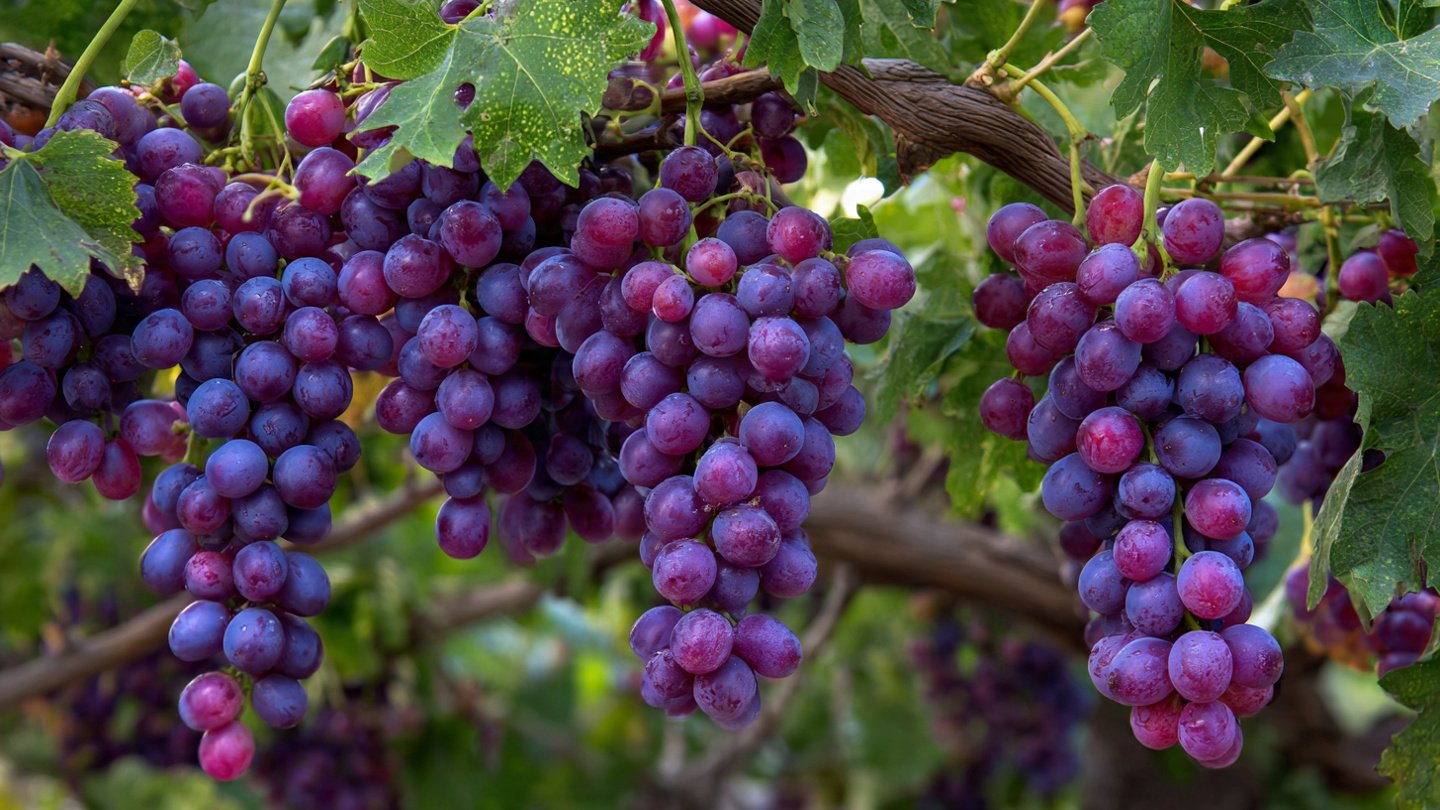
Growing grapes at home may sound like something only vineyards can do, but the truth is that any home gardener with the right knowledge can grow large, juicy bunches of grapes right in their backyard. Whether you want grapes for fresh eating, juice, raisins, or simply for shade and beauty, grapevines are one of the most rewarding fruit plants you can grow.
The key to success lies not in expensive tools or complex methods, but in understanding a few essential secrets that professional grape growers have relied on for generations. This guide reveals exactly how you can grow healthy vines and massive grape clusters with consistent results.
1. Choose the Right Grape Variety for Your Climate
The first and most important secret to growing huge bunches of grapes is selecting the right variety. Grapes are highly climate-specific, and choosing a variety suited to your region determines both yield and fruit quality.
Common grape types:
- Table grapes – Large, sweet, ideal for fresh eating
- Wine grapes – Smaller but packed with flavor
- Seedless grapes – Popular for backyard growers
Climate considerations:
- Hot climates: Thompson Seedless, Anab-e-Shahi, Perlette
- Mild climates: Flame Seedless, Black Muscat
- Cooler regions: Concord, Niagara
A grapevine that matches your climate grows vigorously, flowers well, and produces bigger, heavier bunches.
2. Plant Grapevines in Full Sun
Grapes thrive on sunlight. Sun exposure directly affects fruit size, sweetness, and bunch formation.
Ideal sunlight:
- Minimum 6–8 hours of direct sun daily
- Morning sun is especially beneficial
- Avoid shaded areas near walls or large trees
More sunlight means better photosynthesis, stronger vines, and larger grape clusters.
3. Prepare the Soil Properly (Bigger Roots = Bigger Bunches)
Healthy roots are the foundation of large grape bunches. Grapevines prefer well-draining, fertile soil that allows roots to spread deeply.
Soil preparation tips:
- Loosen soil at least 18–24 inches deep
- Mix compost or well-rotted manure before planting
- Avoid heavy clay or waterlogged soil
Soil that drains well prevents root diseases and allows vines to focus energy on fruit development instead of survival.
4. Train Vines on a Strong Support System
One of the biggest secrets vineyard growers know is that vine training directly affects yield and bunch size.
Best support systems:
- Trellis with horizontal wires
- Pergola or arbor
- Fence or wall-mounted support
Why training matters:
- Improves air circulation
- Ensures even sunlight distribution
- Allows grape bunches to hang freely
When grape clusters hang naturally, they grow larger, more uniform, and healthier.
5. Pruning Is the Real Game-Changer
If there’s one secret that separates average grape growers from experts, it’s proper pruning.
Many beginners hesitate to prune, but grapevines actually produce fruit on new growth, not old wood.
Essential pruning rules:
- Prune annually during dormancy
- Remove up to 80–90% of old growth
- Keep strong, healthy canes
Pruning reduces overcrowding and directs the plant’s energy into fewer but much larger grape bunches.
6. Feed Grapevines the Right Way (Not Too Much!)
Overfeeding is a common mistake that leads to leafy vines but small grape clusters.
Nutrients grapes need most:
- Potassium – Increases fruit size and sweetness
- Phosphorus – Supports flowering and fruiting
- Calcium & magnesium – Improve berry firmness
Simple feeding schedule:
- Compost in early spring
- Balanced organic fertilizer before flowering
- Potassium-rich feed during fruit development
Avoid excessive nitrogen—it encourages leaves instead of grapes.
7. Water Deeply but Infrequently
Watering habits play a major role in grape bunch size.
Smart watering tips:
- Water deeply to encourage deep roots
- Avoid daily shallow watering
- Reduce watering slightly once fruits start ripening
Deep-rooted vines produce stronger canes and larger clusters, while overwatering leads to diluted flavor and smaller grapes.
8. Thin Grape Clusters for Bigger Berries
This step surprises many home gardeners, but removing some grapes actually helps grow larger bunches.
How thinning works:
- Remove weak or crowded clusters early
- Thin individual berries if clusters are too dense
By reducing competition, the plant directs more nutrients to remaining grapes, resulting in bigger, juicier berries.
9. Encourage Good Pollination
Grapes are mostly self-pollinating, but environmental stress can reduce pollination success.
Ways to support pollination:
- Avoid spraying chemicals during flowering
- Ensure good airflow around vines
- Maintain healthy plant nutrition
Better pollination leads to fully developed clusters instead of sparse bunches.
10. Protect Vines from Pests and Diseases
Stress from pests or diseases can dramatically reduce grape size.
Common grape problems:
- Aphids and mites
- Powdery mildew
- Fruit borers and birds
Easy prevention methods:
- Neem oil or sulfur spray as needed
- Proper spacing and airflow
- Netting to protect ripening grapes
Healthy vines consistently produce larger and heavier bunches.
11. Harvest at the Perfect Time
Harvesting too early stops grapes from reaching full size and sweetness.
Signs grapes are ready:
- Full color development
- Sweet taste with no sourness
- Firm, plump berries
Allowing grapes to ripen fully on the vine results in maximum bunch weight and flavor.
12. Patience Is the Final Secret
Grapevines improve with age. While you may get some fruit in the first year, the biggest and best bunches usually appear after 2–3 years of proper care.
Each season, the vine’s root system strengthens, pruning improves structure, and yields increase naturally.
Final Thoughts
Growing huge bunches of grapes in your backyard isn’t a mystery—it’s a combination of smart variety selection, sunlight, pruning, balanced nutrition, and proper training. When these elements work together, grapevines reward you with abundant harvests that rival commercial vineyards.
Remember these essential secrets:
- Choose the right variety
- Train and prune properly
- Feed wisely, not excessively
- Water deeply and consistently
- Thin clusters for size
- Protect vines from stress
With patience and care, your backyard grapevine can produce large, sweet, impressive bunches year after year, turning your garden into a mini vineyard.