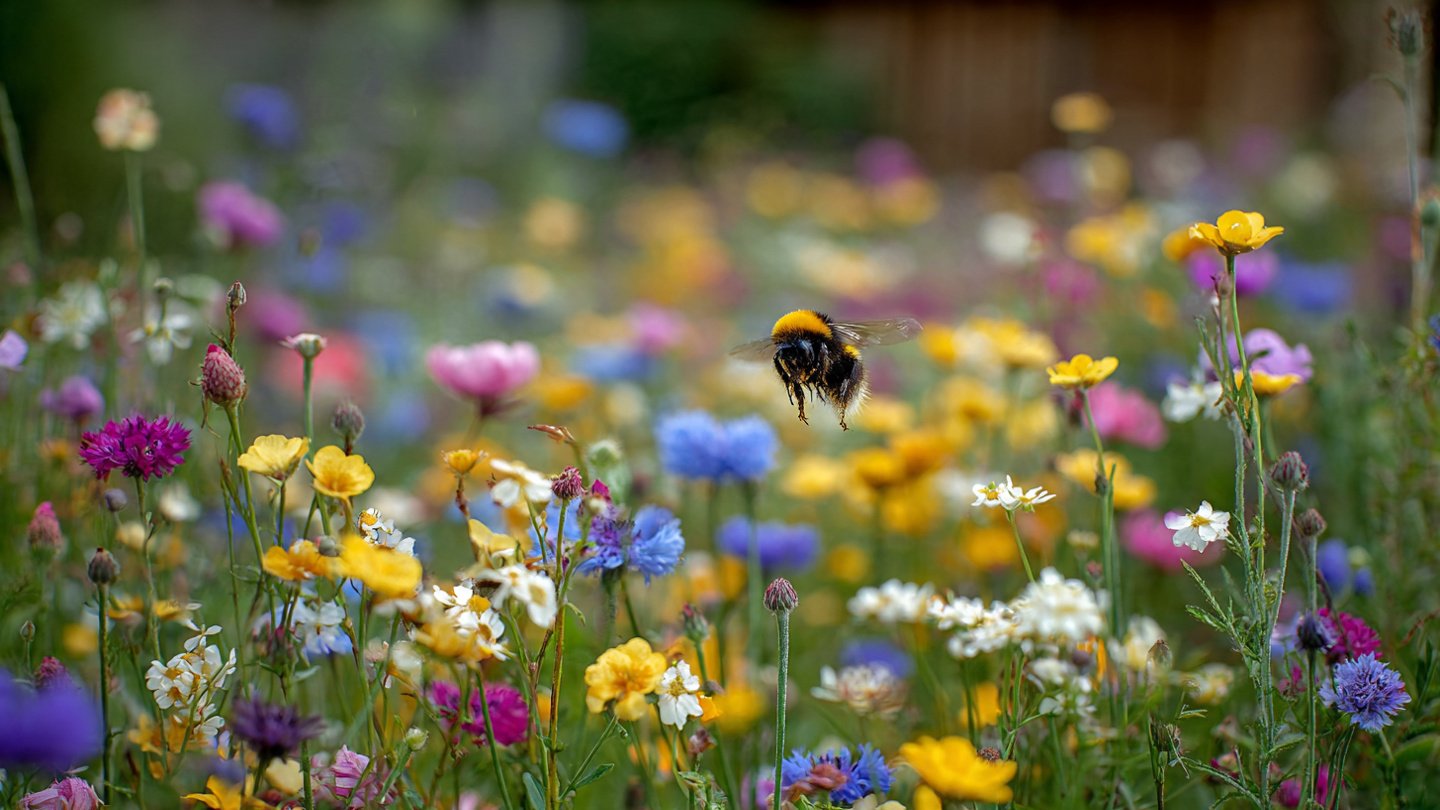
In recent years, gardens have become more than just decorative outdoor spaces. They are evolving into vital ecosystems that support biodiversity, protect pollinators, and reconnect us with nature. One of the most powerful yet simple ways to transform your garden is by creating a dedicated space for wildflowers and bees. This small change can bring dramatic improvements—not only to your garden’s beauty but also to its health, productivity, and environmental impact.
So how exactly does welcoming wildflowers and bees transform your garden? Let’s explore the many ways this nature-friendly approach creates a thriving, balanced, and vibrant outdoor space.
Understanding the Importance of Wildflowers and Bees
Wildflowers and bees share a deeply connected relationship. Wildflowers provide nectar and pollen, while bees pollinate plants, ensuring their reproduction. Unfortunately, habitat loss, excessive lawn maintenance, and chemical use have drastically reduced both wildflower populations and pollinators.
By creating a space where wildflowers can grow freely, you help restore this natural partnership—and your garden becomes part of the solution.
How Wildflowers Instantly Change Your Garden’s Appearance
One of the most noticeable transformations is visual. Wildflowers introduce a natural, relaxed beauty that formal lawns and manicured beds can’t replicate.
Benefits to garden aesthetics include:
- A rich mix of colors that change through the seasons
- Soft, flowing textures that feel organic and calming
- A meadow-like charm that adds character and uniqueness
Unlike traditional flower beds, wildflowers thrive in diversity. This means your garden never looks dull—there’s always something blooming.
Bees Bring Life, Movement, and Energy
A garden without movement can feel static. When bees arrive, everything changes. Their gentle buzzing, constant activity, and interaction with flowers create a living landscape.
Bees:
- Increase pollination for fruits, vegetables, and flowers
- Improve seed production and plant health
- Encourage other beneficial insects to visit
Once bees feel safe, your garden becomes a buzzing hub of life rather than a silent green space.
Boosting Pollination and Garden Productivity
One of the biggest transformations happens below the surface—in your garden’s productivity.
When bees thrive:
- Vegetable plants produce higher yields
- Fruit trees bear better-shaped, healthier fruit
- Flowering plants bloom more abundantly
Even a small wildflower patch can significantly increase pollination across your entire garden. Tomatoes, cucumbers, peppers, squash, berries, and herbs all benefit from increased bee activity.
Improving Soil Health Naturally
Wildflowers don’t just look good—they work hard underground. Their varied root systems help improve soil structure in ways lawns cannot.
Soil benefits include:
- Reduced soil compaction
- Improved water infiltration
- Increased microbial activity
As wildflowers grow and die back naturally, they add organic matter to the soil, enriching it year after year without synthetic fertilizers.
Reducing Maintenance and Gardening Effort
One surprising transformation many gardeners notice is how low-maintenance wildflower spaces are.
Compared to lawns and ornamental beds, wildflower areas:
- Require less watering once established
- Don’t need frequent mowing
- Thrive without fertilizers
- Rarely require pest control
This means less time working and more time enjoying your garden. It’s a win for both nature and your schedule.
Creating a Safe Haven for Bees
Bees need more than flowers—they need safety. By intentionally designing your garden with pollinators in mind, you create a refuge they desperately need.
Simple features that help bees include:
- Continuous blooms from early spring to late autumn
- Undisturbed areas for nesting
- Bare patches of soil for ground-nesting bees
- Hollow stems and plant debris left over winter
When bees find everything they need in one place, they return year after year.
Encouraging Biodiversity Beyond Bees
Once wildflowers and bees settle in, other forms of life soon follow. Your garden becomes a miniature ecosystem.
You may notice:
- Butterflies and moths
- Ladybugs and lacewings
- Birds feeding on insects and seeds
- Frogs and beneficial beetles
This natural balance helps control pests without chemicals, creating a healthier environment for all living things—including humans.
Supporting the Environment from Your Backyard
Even small wildflower spaces make a difference. Collectively, home gardens can form powerful wildlife corridors that connect fragmented habitats.
By planting wildflowers:
- You help combat pollinator decline
- You support local plant species
- You reduce carbon emissions linked to lawn maintenance
- You conserve water
Your garden becomes part of a larger environmental movement—proof that individual actions matter.
Choosing the Right Wildflowers for Maximum Impact
For the greatest transformation, focus on native wildflowers, as they are best adapted to local bees and climate conditions.
Look for:
- A mix of early, mid, and late-season bloomers
- Flowers with different shapes and colors
- Plants suited to your soil and sunlight conditions
Native species require less care and provide the highest nutritional value for local pollinators.
Where to Create a Wildflower and Bee Space
You don’t need a large garden to make a difference. Even small areas can transform beautifully.
Great locations include:
- Lawn corners
- Borders along fences or walls
- Around trees
- Unused or difficult-to-mow areas
- Raised beds or large containers
Start small if needed—you can always expand later.
Letting Go of Perfection and Embracing Nature
One of the most meaningful transformations happens in mindset. A wildflower garden teaches patience, acceptance, and appreciation for natural beauty.
Instead of striving for perfection:
- You learn to value diversity
- You accept seasonal changes
- You observe rather than control
This shift often leads to a deeper connection with your garden and the natural world.
A Garden That Gives Back
Creating a space for wildflowers and bees transforms your garden from a decorative feature into a living, breathing ecosystem. It becomes more colorful, productive, resilient, and meaningful.
You gain:
- A healthier garden
- More flowers and harvests
- Less maintenance
- A peaceful, vibrant outdoor retreat
And in return, bees gain what they desperately need—a safe place to live, feed, and thrive.
Final Thoughts
By welcoming wildflowers and bees, you’re not just planting flowers—you’re planting hope. Your garden becomes a sanctuary, a classroom, and a small but powerful act of environmental stewardship.
Whether you start with a single patch or redesign your entire yard, the transformation is undeniable. A garden filled with wildflowers and bees is more alive, more beautiful, and more rewarding than you ever imagined.