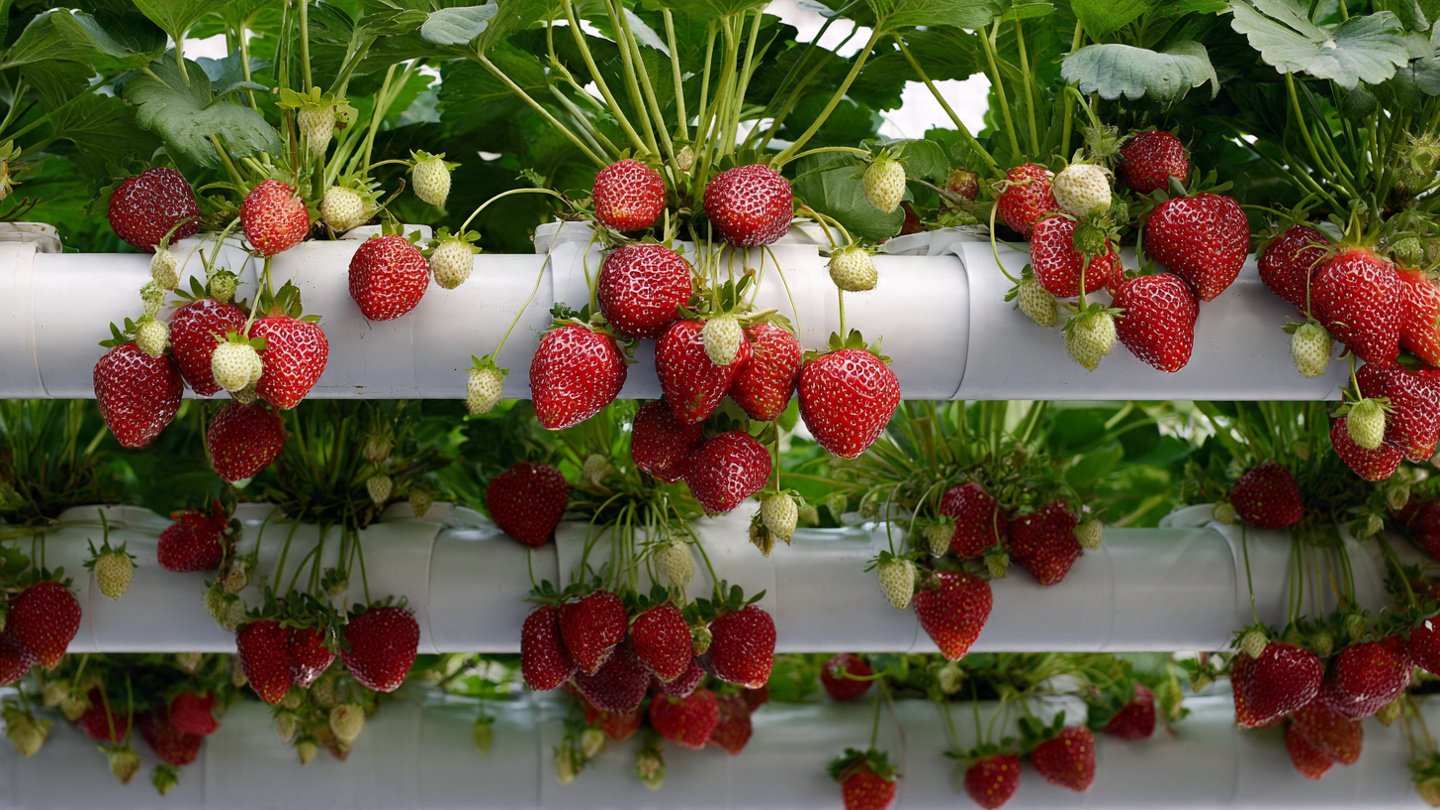
Growing strawberries doesn’t require a sprawling garden or acres of land. With a little creativity and some basic materials, you can grow a surprising amount of fresh, juicy strawberries vertically—even on a balcony, patio, or small backyard wall. One of the most effective and affordable methods is creating a vertical strawberry wall using PVC pipes.
This system saves space, improves air circulation, reduces pests, and looks stunning as a living green wall. Whether you’re a beginner gardener or an experienced grower looking to maximize yield in a small space, this guide will walk you through everything you need to know.
Why Choose a Vertical Strawberry Wall?
Before diving into the how-to, it’s worth understanding why PVC pipe strawberry walls are so popular.
Key Benefits
- Space-saving: Perfect for small gardens, balconies, or urban homes
- Higher yields per square foot: Grow more plants vertically
- Cleaner fruit: Strawberries stay off the soil, reducing rot
- Fewer pests and diseases: Improved airflow and drainage
- Easy maintenance: Less bending, simpler harvesting
- Decorative appeal: Adds greenery and charm to blank walls
PVC pipes are lightweight, durable, weather-resistant, and inexpensive—making them ideal for vertical gardening projects.
Materials You’ll Need
Creating a vertical strawberry wall doesn’t require expensive tools or advanced skills.
Essential Materials
- PVC pipes (4–6 inches diameter, 5–7 feet long)
- PVC end caps
- Drill with hole saw (2–3 inches)
- Measuring tape and marker
- Utility knife or sandpaper
- Potting mix (well-draining)
- Compost or coco peat
- Strawberry seedlings or runners
- Zip ties, metal brackets, or wall hooks
- Watering can or drip irrigation kit
Optional Add-Ons
- Smaller PVC pipe for internal watering
- Landscape fabric
- Liquid organic fertilizer
- Timer for irrigation
Step-by-Step Guide to Building Your PVC Strawberry Wall
Step 1: Choose the Right Location
Strawberries thrive in 6–8 hours of direct sunlight daily. Select a wall or fence that receives ample morning or afternoon sun. Ensure the area is protected from strong winds and has easy access to water.
Ideal locations include:
- Balcony walls
- Garden fences
- Terrace walls
- Patio partitions
Step 2: Prepare the PVC Pipes
Lay the PVC pipe flat and mark planting holes in a staggered pattern.
Spacing Tips
- Holes should be 6–8 inches apart vertically
- Rotate holes slightly around the pipe to avoid crowding
- Leave 6–8 inches at the bottom for drainage
Use a hole saw or drill to cut openings. Smooth sharp edges with sandpaper to prevent plant damage.
Step 3: Create Drainage
Good drainage is crucial for strawberries.
- Drill small holes at the bottom of each pipe
- Seal the bottom with a PVC end cap (with drainage holes)
- Slightly elevate the pipe to allow excess water to escape
Poor drainage leads to root rot, one of the most common strawberry problems.
Step 4: Optional Internal Watering System
For easier watering, especially in hot climates, insert a thin PVC pipe or perforated tube inside the main pipe.
- Drill small holes along the length of the inner pipe
- Wrap it in landscape fabric to prevent clogging
- Place it in the center before filling with soil
This allows water to distribute evenly from top to bottom.
Step 5: Fill with Soil Mix
Use a light, well-draining soil mix:
Ideal Mix
- 40% garden soil or potting soil
- 30% compost or vermicompost
- 20% coco peat or peat moss
- 10% perlite or sand
Fill gradually, gently pressing the soil to remove air pockets while keeping it loose enough for roots to grow.
Step 6: Plant the Strawberry Seedlings
Choose healthy, disease-free strawberry plants.
Planting Tips
- Insert roots gently through each hole
- Keep the crown (where leaves meet roots) above soil level
- Firm soil lightly around each plant
Avoid burying the crown, as this can cause plant rot.
Step 7: Mount the PVC Strawberry Wall
Secure the pipes vertically using:
- Wall brackets
- Heavy-duty hooks
- Zip ties (for fences)
Ensure each pipe is firmly anchored and can support the weight of wet soil and mature plants.
Best Strawberry Varieties for Vertical PVC Systems
Not all strawberries perform equally well in vertical setups.
Recommended Types
- Alpine strawberries: Compact, flavorful, low maintenance
- Day-neutral varieties: Produce fruit continuously
- Everbearing strawberries: Ideal for steady harvests
Popular choices include:
- Albion
- Seascape
- Temptation
- Chandler (in mild climates)
Watering and Fertilizing Your Strawberry Wall
Watering
Vertical systems dry out faster than ground beds.
- Water daily in warm weather
- Reduce frequency during cooler months
- Ensure water reaches lower plants
Drip irrigation with a timer is highly effective for consistency.
Fertilizing
Strawberries are moderate feeders.
- Use liquid organic fertilizer every 10–14 days
- Supplement with compost tea or seaweed extract
- Avoid high nitrogen—too much leaf growth reduces fruiting
Ongoing Care and Maintenance
Pruning
- Remove yellow or diseased leaves
- Trim runners unless you want new plants
- Encourage airflow to prevent fungal diseases
Pest Control
Common pests include aphids and spider mites.
- Spray neem oil every 7–10 days
- Introduce beneficial insects if possible
- Keep the area clean and debris-free
Harvesting Strawberries
Strawberries are ready to harvest when:
- Fully red with no white or green tips
- Slightly soft and fragrant
Harvest in the morning for best flavor. Regular picking encourages more fruit production.
Common Mistakes to Avoid
- Overcrowding plants
- Poor drainage
- Inadequate sunlight
- Overwatering
- Burying the crown
Avoiding these mistakes can dramatically improve yield and plant health.
Is a PVC Strawberry Wall Worth It?
Absolutely. A vertical strawberry wall is one of the most efficient and rewarding DIY gardening projects you can try. It’s affordable, adaptable, visually appealing, and productive—especially for urban gardeners and small-space growers.
With proper planning and care, your PVC strawberry wall can provide months of fresh, sweet strawberries while turning an empty wall into a vibrant, edible feature.
Final Thoughts
Creating a vertical strawberry wall with PVC pipes is a smart, sustainable way to grow your own fruit without needing much space. Once set up, it requires minimal maintenance and delivers impressive results. Whether you’re gardening on a balcony, terrace, or backyard wall, this method lets you enjoy homegrown strawberries almost anywhere.