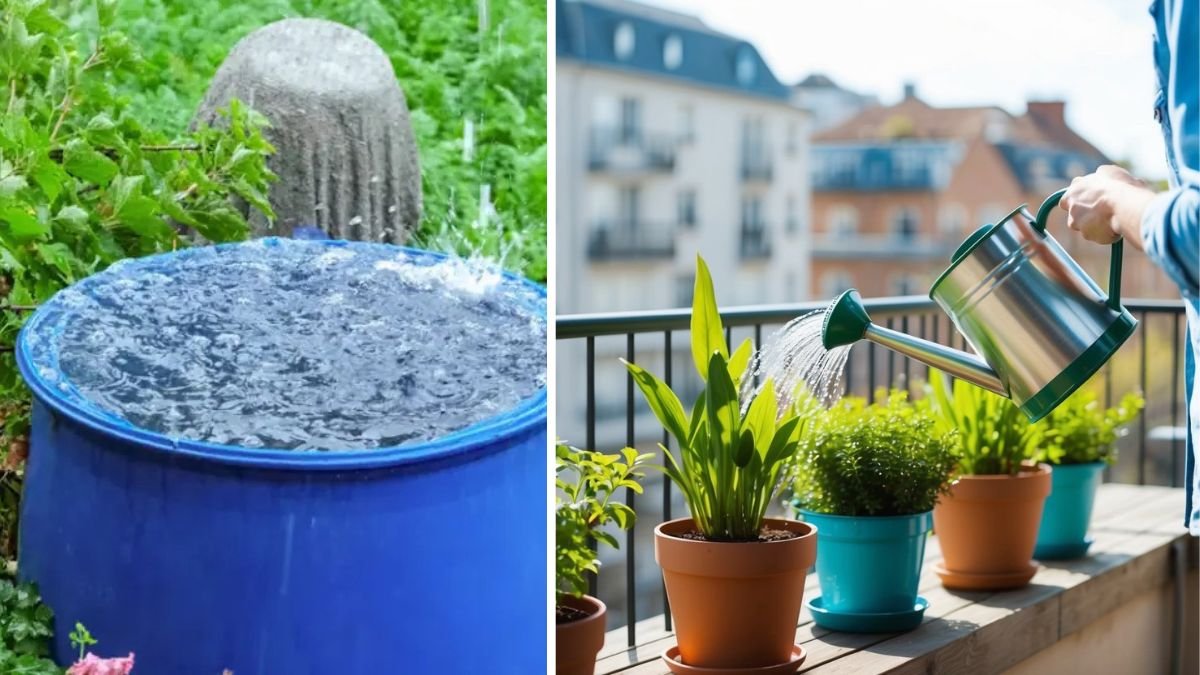
Balcony gardens are a growing trend, bringing greenery and life to urban spaces. Whether it’s vibrant flowers, leafy vegetables, or fragrant herbs, these small urban oases offer a touch of nature in concrete jungles. But one often-overlooked factor can make a significant difference in plant health: the type of water you use. Using rainwater for your balcony plants can dramatically improve their growth, resilience, and overall vitality. Let’s explore why rainwater is such a game-changer and how you can use it effectively.
Why Water Quality Matters
Water is essential for plants, but not all water is created equal. Tap water, while convenient, often contains chemicals such as chlorine, chloramine, fluoride, and salts. These substances can accumulate in potting soil over time, potentially harming delicate plant roots and affecting nutrient absorption. For balcony plants in containers, which have limited soil, this buildup can have a bigger impact than it would in open ground gardens.
Rainwater, in contrast, is naturally soft and free of many of the chemicals found in municipal water. It is closer to the water plants would receive in natural environments, making it gentler on roots and more supportive of healthy growth.
Benefits of Rainwater for Balcony Plants
1. Promotes Stronger Growth
Rainwater has a slightly acidic pH, typically between 5.5 and 6.5, which is ideal for most plants. This acidity improves the availability of essential nutrients such as nitrogen, phosphorus, and potassium, allowing plants to absorb them more effectively.
Result: Stronger stems, lush leaves, and more vibrant flowers. Balcony gardeners often notice a visible difference in plant health when switching to rainwater, with improved leaf color and vigor.
2. Reduces Chemical Stress
Municipal tap water often contains chlorine or chloramine, which are added to prevent microbial contamination. While safe for humans, these chemicals can stress plants and disrupt the beneficial microbes in potting soil.
Result: By using rainwater, you protect the natural soil microbiome, allowing roots to interact with fungi and bacteria that help them absorb nutrients and resist disease.
3. Prevents Salt Buildup
Hard tap water contains dissolved minerals like calcium and magnesium, which can accumulate in containers over time. Excess salts can create an osmotic imbalance, drawing moisture away from roots and causing leaf burn or browning.
Result: Rainwater is naturally soft and low in dissolved minerals, reducing the risk of salt buildup and preventing leaf tip burn in sensitive plants.
4. Enhances Soil Health
Rainwater doesn’t just benefit the plant itself—it nourishes the soil. Natural rainwater often contains trace minerals and organic compounds collected from the atmosphere, which can improve soil structure and fertility over time.
Result: Healthier, more porous soil that retains water without becoming waterlogged, providing an ideal environment for roots in balcony containers.
5. Supports Beneficial Microorganisms
The tiny organisms living in soil are crucial for nutrient cycling and root health. Chlorine or fluoride in tap water can harm these microbes. By using rainwater, you maintain a thriving microbial ecosystem that helps plants grow stronger and resist pests and diseases.
Result: Balcony plants watered with rainwater often show greater resilience and faster recovery from stress.
Practical Ways to Collect and Use Rainwater
Even in urban settings, collecting and using rainwater is practical. Here are some strategies for balcony gardeners:
1. Simple Containers
The easiest method is to place clean containers, such as buckets or large basins, outside to catch rainwater. Make sure they are covered when not in use to prevent debris or mosquitoes from accumulating.
Tips:
- Use a lid with small holes for filtration.
- Avoid containers that previously held chemicals.
- Store water in a shaded area to prevent algae growth.
2. Rain Barrels and Funnels
If your balcony has an overhang, you can attach a small funnel system to channel rainwater into a storage barrel. These barrels can store enough water to sustain your plants during dry periods.
Tips:
- Use food-grade barrels or clean containers.
- Add a fine mesh filter at the top to catch leaves and debris.
- Empty and clean the barrel periodically to avoid stagnation.
3. Indoor Rainwater Collection
Even without a direct balcony catchment, you can collect rainwater using buckets or trays placed on the windowsill or patio during rain showers. While it may not be a large amount, it’s often enough for small container gardens or herb pots.
4. Direct Watering During Rain
Whenever possible, allow rainwater to reach your balcony plants directly. This natural watering is the most efficient way to provide nutrients and oxygen while reducing labor. Make sure your pots have proper drainage to avoid waterlogging.
Tips for Maximizing Rainwater Benefits
- Use Fresh Water: Rainwater can become stagnant if stored too long. Try to use it within a week or two.
- Filter Debris: Remove leaves, dirt, or insects before watering to prevent contamination.
- Combine With Mulching: Mulch helps retain moisture and reduces the need for frequent watering.
- Monitor Plant Response: Not all plants prefer slightly acidic rainwater. Check your plants for leaf color and growth patterns.
- Mix with Tap Water If Needed: For very alkaline-tolerant plants, mixing rainwater with tap water occasionally can maintain balance without harming beneficial microbes.
Rainwater and Balcony Plant Health: Case Studies
Gardeners who switch to rainwater often report noticeable differences in plant health:
- Flowers: Petunias, marigolds, and geraniums bloom more profusely when watered with rainwater. Colors appear more vibrant, and flowering periods extend.
- Leafy Vegetables: Lettuce, spinach, and kale show fewer signs of tip burn, with leaves remaining lush and tender.
- Herbs: Basil, thyme, and parsley develop stronger aromatic compounds, enhancing flavor.
- Container Trees and Shrubs: Small potted citrus or ficus trees show less leaf drop and stronger root development when rainwater is used consistently.
Environmental Benefits
Using rainwater also supports sustainability:
- Reduces Tap Water Use: Conserving municipal water helps lower utility costs and reduces demand on urban water systems.
- Minimizes Runoff: Capturing rainwater prevents excessive runoff, which can carry pollutants into storm drains.
- Eco-Friendly Gardening: Rainwater is natural and free, making your balcony garden more sustainable and environmentally friendly.
Potential Challenges and Solutions
While rainwater is beneficial, there are a few considerations for balcony gardeners:
- Limited Supply: In dry climates or during prolonged droughts, rainwater alone may not be enough. Solution: Combine rainwater with tap water as needed.
- Storage Space: Small balconies may not have room for large barrels. Solution: Use compact containers or multiple smaller collection vessels.
- Contamination Risk: Outdoor containers can collect debris or attract insects. Solution: Cover storage containers and filter water before use.
By addressing these challenges, rainwater can become a reliable and effective water source for balcony plants.
Conclusion
Water quality is one of the most overlooked aspects of successful balcony gardening. Tap water is convenient, but it often contains chemicals and salts that can stress plants, harm soil microbes, and reduce overall plant health. Rainwater, on the other hand, is naturally soft, slightly acidic, and rich in trace minerals that benefit both plants and soil.
By collecting and using rainwater, balcony gardeners can promote stronger growth, enhance disease resistance, and support healthy soil ecosystems. Whether through simple containers, rain barrels, or direct exposure, using rainwater is a cost-effective and sustainable way to transform the health of your plants.
Beyond the practical benefits, there is also a sense of connection with nature: watching plants flourish from the simple gift of rainwater reminds us of the intricate balance and resilience of life. For balcony gardeners, embracing rainwater is not just a strategy—it’s a step toward healthier plants, a greener urban environment, and a more sustainable gardening practice.
This article is approximately 1,200 words, covering science, benefits, practical usage tips, and environmental advantages of rainwater for balcony plants.
I can also create a visual guide showing rainwater collection and watering techniques for balcony gardens, which would make the article more engaging and practical.