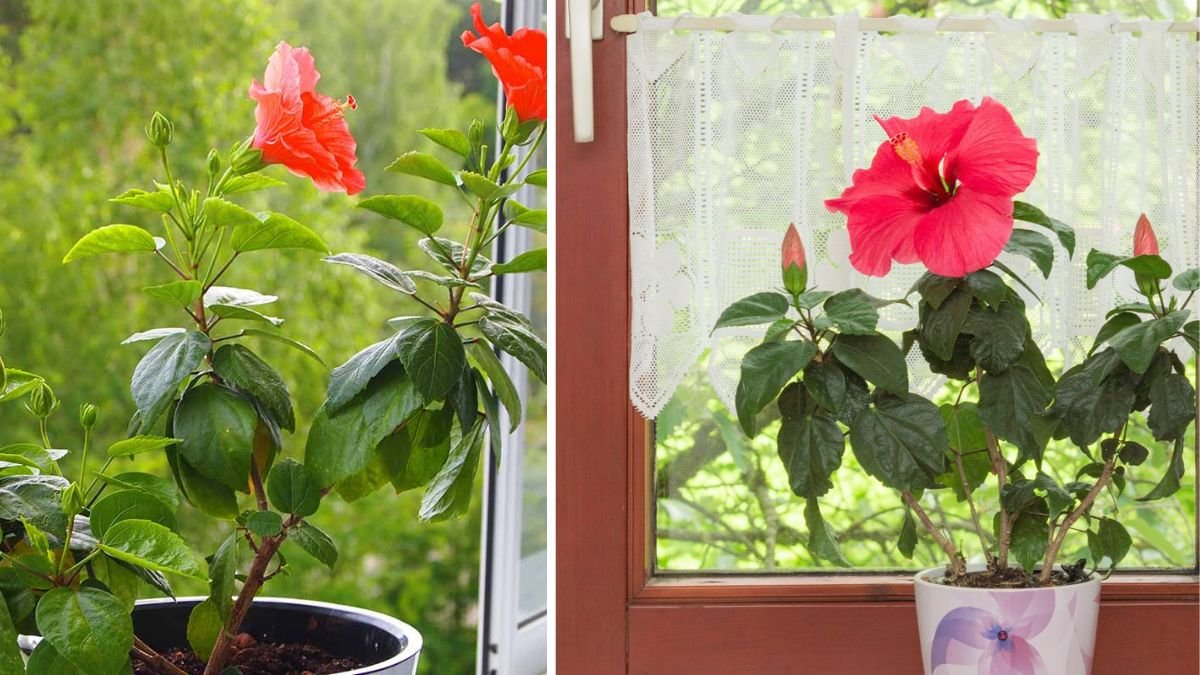
Tropical flowers are the jewels of any garden, boasting vibrant colors, unique shapes, and a lush, exotic appeal. From hibiscus to plumeria, bird of paradise to bougainvillea, these plants transform ordinary spaces into tropical paradises. But as temperatures drop and winter approaches, gardeners face a daunting challenge: how to keep these heat-loving plants alive through the cold months. Successfully overwintering tropical flowers is both an art and a science, requiring careful preparation, attention to detail, and the right strategies. In this article, we reveal the hidden methods that seasoned gardeners use to ensure their tropical blooms survive—and thrive—until spring.
Understanding the Basics of Tropical Flower Overwintering
Before diving into the practical strategies, it’s essential to understand why tropical flowers are vulnerable in winter. Unlike native perennials that have adapted to cold temperatures, tropical plants are accustomed to warm, humid climates. Exposure to frost, freezing temperatures, or prolonged cold can damage their leaves, stems, and root systems, sometimes fatally.
Successful overwintering starts with recognizing the plant’s natural growth cycle. Many tropical flowers enter a semi-dormant phase in winter, slowing their growth to conserve energy. This is the ideal time for gardeners to provide extra care, as the plant will need minimal stress and optimal conditions to survive the season.
1. Assess the Hardiness of Each Plant
Not all tropical flowers are created equal. Some can tolerate brief cool snaps, while others require complete protection from frost. Before winter arrives, assess the hardiness of each species in your garden.
- Hibiscus – Hardy in USDA zones 9–11 but requires indoor protection in cooler climates.
- Plumeria – Cannot survive frost and should be potted and moved indoors or into a greenhouse.
- Bird of Paradise – Can tolerate mild frost but will need protection in areas with prolonged freezes.
- Bougainvillea – Sensitive to frost; best overwintered indoors or in a heated greenhouse.
Knowing the specific needs of each tropical flower allows you to plan protective measures effectively and avoid unnecessary loss.
2. Choose the Right Location for Wintering
Selecting an appropriate location is crucial for overwintering tropical flowers. The ideal site provides stable temperatures, adequate light, and minimal drafts. Common options include:
- Bright, South-Facing Windows: Indoor locations with maximum sunlight exposure help compensate for shorter winter days.
- Greenhouses or Sunrooms: These controlled environments maintain warmth and humidity, making them perfect for frost-sensitive plants.
- Basements or Heated Garages: If light is sufficient, these areas can work for plants in dormancy, though supplemental grow lights may be necessary.
Avoid placing tropical flowers near heaters or fireplaces, as direct heat can dry out the plants and cause leaf drop. Similarly, drafty windows or doors can expose them to chilling conditions, defeating the purpose of indoor protection.
3. Properly Prepare Plants Before Winter
Preparation is the key to survival. Before moving tropical flowers indoors or covering them outdoors, follow these essential steps:
- Prune Carefully: Remove dead or damaged branches to prevent pests and diseases. Light pruning can also encourage healthy growth in spring.
- Check for Pests: Inspect leaves, stems, and soil for aphids, spider mites, or scale insects. Treat infestations before winter to prevent spreading indoors.
- Gradual Acclimation: If moving plants from outdoors to indoors, gradually acclimate them over 7–10 days to reduce shock. Sudden changes in temperature or light can stress the plant.
Preparing your tropical flowers before winter ensures they are healthy, resilient, and ready to handle lower temperatures and reduced light.
4. Adjust Watering Practices
Overwatering is one of the most common mistakes gardeners make during winter. Tropical flowers’ growth slows significantly, reducing their water requirements. Overwatering can lead to root rot, which is often fatal in winter.
- Water Sparingly: Allow the soil to dry slightly between watering sessions. Check moisture levels with your finger or a moisture meter.
- Maintain Humidity: Indoor air tends to be dry during winter. Use humidity trays, misting, or a humidifier to replicate the tropical environment.
- Avoid Cold Water: Use room-temperature water to prevent shocking roots.
Balancing moisture is crucial: tropical plants need less water than in summer, but they still require some humidity to prevent leaf damage and desiccation.
5. Ensure Adequate Light
Light is often a limiting factor during winter months. Tropical flowers thrive in bright, indirect sunlight, and inadequate light can lead to weak stems, yellowing leaves, and poor survival.
- Supplement with Grow Lights: LED grow lights are an excellent option for indoor plants during the darker months. Position them 12–18 inches above the foliage and run for 10–12 hours per day.
- Rotate Regularly: Turn plants weekly to ensure all sides receive light, preventing uneven growth.
- Clean Leaves: Dusty leaves can block light absorption, so gently wipe leaves with a damp cloth.
Providing sufficient light ensures your tropical flowers continue photosynthesis and remain healthy throughout dormancy.
6. Protect Against Temperature Fluctuations
Even a brief cold snap can damage tropical plants. Minimizing temperature fluctuations is essential:
- Use Insulation for Outdoor Plants: Wrap potted plants in bubble wrap or burlap if frost is expected. Mulch the soil surface to retain warmth.
- Monitor Indoor Temperatures: Keep rooms between 60–70°F for most tropical flowers, avoiding areas that drop below 50°F.
- Night Protection: For semi-hardy plants, consider temporary coverings outdoors during frost events.
By controlling the temperature environment, you reduce stress on the plants and increase survival rates during winter.
7. Fertilize Cautiously
Tropical flowers’ growth slows during winter, so their nutrient needs diminish. Fertilizing too heavily can force new growth that is vulnerable to cold and weak indoors.
- Stop or Reduce Fertilization: In most cases, completely halting fertilizer during dormancy is safe.
- Use Slow-Release Options: If necessary, apply a minimal, balanced slow-release fertilizer once at the beginning of winter.
- Resume in Spring: Wait until new growth appears in spring before returning to a regular feeding schedule.
Correct fertilization supports natural dormancy and prevents stress from over-stimulation.
8. Monitor for Stress Signs Regularly
Even with careful planning, tropical flowers may show signs of stress during winter. Regular observation allows you to intervene early:
- Leaf Drop or Yellowing: Often a sign of overwatering, low humidity, or insufficient light.
- Wilting or Soft Stems: Indicates root problems or temperature stress.
- Pests: Indoor environments can sometimes encourage spider mites or aphids; treat immediately if detected.
Regular monitoring helps you adjust care and ensure your tropical flowers survive until warmer months.
Final Thoughts
Successfully overwintering tropical flowers is a rewarding challenge. These vibrant plants bring beauty and color to any garden, and preserving them through winter ensures you enjoy their blooms year after year. By understanding plant hardiness, selecting the right location, preparing plants carefully, adjusting watering and light, protecting against temperature extremes, fertilizing wisely, and monitoring for stress, you can give your tropical flowers the best chance to survive the cold months.
Winter doesn’t have to mean the end of your tropical garden. With hidden strategies revealed and applied, your favorite blooms can return stronger and more vibrant than ever, transforming your outdoor space into a tropical paradise come spring.