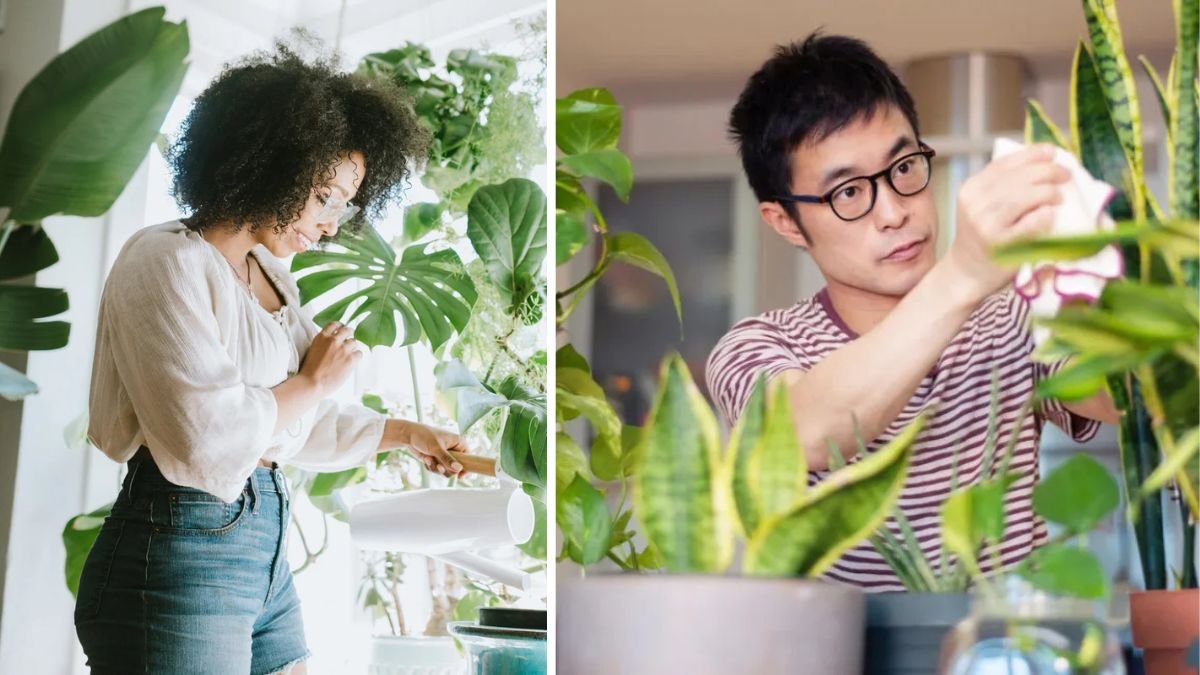
Imagine walking into your living room, greeting your green friends, and chatting with them about your day. It may sound whimsical, even a little eccentric, but science and centuries of gardening lore suggest that talking to your plants isn’t just a quirky hobby—it could actually benefit both you and your leafy companions in surprising ways. From promoting plant growth to boosting your mental health, daily conversations with plants reveal a hidden world where communication, even across species, truly matters.
Plants Can “Hear” You: The Science Behind Plant Perception
Although plants don’t have ears or a nervous system, they are far from silent observers of their environment. Research has shown that plants are sensitive to vibrations, including sound waves created by human voices. When you speak near a plant, the vibrations can stimulate its cells in subtle ways.
Studies at prestigious institutions, such as South Korea’s National Institute of Agricultural Science, have demonstrated that certain frequencies of sound can enhance plant growth. When exposed to gentle vibrations or low-frequency sounds similar to human speech, plants have shown improved germination rates, stronger stems, and increased leaf size. While the mechanism isn’t entirely understood, it is thought that vibrations influence gene expression related to growth and stress responses, essentially “waking up” plant cells to thrive.
Boosting Growth Through Communication
One of the most tangible benefits of talking to plants is its potential impact on growth. While traditional gardening emphasizes water, sunlight, and nutrients, the idea that interaction matters adds a new dimension to plant care.
When you engage in daily conversations with your plants:
- You increase CO₂ exposure: Your breath contains carbon dioxide, which plants use for photosynthesis. Speaking around your plants may subtly increase the CO₂ available to them, supporting their energy production.
- You stimulate vibration responses: As mentioned, vibrations can trigger growth hormones and cell activity. A cheerful tone or even gentle humming may mimic the natural environmental cues plants respond to in the wild.
- You encourage attention to plant needs: Talking to your plants forces you to observe them closely, noticing subtle changes in leaf color, moisture, or structure. This attentive observation often results in better care, healthier plants, and faster growth.
While it may not replace proper watering or fertilization, consistent interaction can complement traditional plant care, creating a nurturing environment for your leafy friends.
Mental Health Benefits for Humans
Talking to plants isn’t just beneficial for the plants—it’s also surprisingly good for humans. Numerous studies highlight the positive effects of engaging with nature, and indoor gardening offers a convenient daily dose of these benefits.
- Stress Reduction: Conversing with plants can have a calming effect similar to mindfulness exercises. Speaking softly and focusing on your plants allows you to slow down, regulate your breathing, and release tension.
- Enhanced Mood: Daily interaction with plants fosters a sense of companionship and purpose. The simple act of nurturing and acknowledging life can boost serotonin levels, improving overall happiness.
- Cognitive Benefits: Describing your day to plants or discussing their growth engages the mind in a reflective and imaginative exercise. This can enhance problem-solving skills, creativity, and focus.
In essence, talking to plants is a form of low-stakes social interaction that also doubles as a meditative practice, helping you feel connected, grounded, and more mindful.
Encouraging a Symbiotic Relationship
When humans interact with plants through conversation, a subtle symbiosis emerges. Plants benefit from our attention and care, while humans gain emotional and psychological rewards. There is also a feedback loop: as you notice your plants thriving, you are more motivated to continue nurturing them, creating a positive cycle of care and reward.
Interestingly, some research suggests that plants can “remember” repetitive vibrations or stimuli. In a 2014 study published in Oecologia, plants subjected to repeated mechanical stimulation adapted their growth patterns, suggesting that regular interaction—including talking—can create a form of learned responsiveness. While it’s not consciousness as humans understand it, it indicates that plants are more dynamic and reactive than previously believed.
The Role of Voice Tone and Emotion
You might wonder: does it matter what you say to your plants? Research indicates that tone and emotion could play a role.
- Gentle, calm voices appear to produce the most beneficial vibrations. Humming or speaking softly can stimulate growth-promoting cellular responses.
- Angry or loud shouting is unlikely to harm plants physically, but sharp vibrations may create stress signals, potentially impacting growth.
- Positive attention and consistent interaction matter more than the specific words. Plants respond to regular vibrations and environmental cues, so a daily chat—whether storytelling, humming, or even singing—can contribute to their well-being.
This suggests that the quality of interaction, much like human relationships, matters. Consistent, nurturing engagement creates a healthier environment for both plants and caretakers.
Practical Tips for Talking to Your Plants
For those new to the idea of conversing with plants, it’s easier than you think. Here are some practical suggestions:
- Set a Routine: Spend 5–10 minutes daily speaking to your plants. It could be morning greetings, narrating your day, or gentle encouragement for their growth.
- Observe While Talking: Check soil moisture, leaf health, and signs of pests while conversing. Observation is a crucial part of nurturing.
- Use Positive Tone: Speak softly or hum. Low-frequency sounds tend to be more stimulating for plant growth than harsh, high-pitched tones.
- Involve the Senses: Touch leaves gently or feel the soil. Multi-sensory interaction reinforces attention and can stimulate the plant’s cells.
- Create a Plant-Friendly Environment: Ensure adequate light, water, and nutrients. Conversation complements care—it doesn’t replace it.
Even simple daily attention can transform a neglected corner of your home into a thriving, lush plant oasis.
Beyond Growth: Creating Emotional Connections
Talking to plants also fosters a deeper emotional bond. Many plant owners report that conversing with their plants enhances their sense of responsibility, patience, and empathy. Plants become living reminders of care and mindfulness, prompting reflection and emotional growth in humans.
This emotional connection is particularly valuable for urban dwellers or people who spend long hours indoors. Plants act as companions that respond—albeit subtly—to attention and care, providing non-judgmental, constant presence. Over time, this relationship can mirror some aspects of pet ownership, offering comfort, routine, and emotional reward.
Scientific Curiosity and Ongoing Research
While the benefits of plant conversation are increasingly recognized anecdotally, scientific research continues to uncover the mechanisms behind plant responsiveness. Experiments on sound frequency, vibration sensitivity, and electrical signaling in plants reveal a complex web of interactions that we are only beginning to understand.
For instance, certain frequencies of music or speech appear to activate genes responsible for cell growth and stress resilience. Meanwhile, the study of plant bioacoustics suggests that even subtle environmental vibrations—like those from human voices—can influence plant metabolism. This growing body of research underscores that plants are dynamic, interactive organisms that respond to their surroundings in meaningful ways.
Conclusion: A Simple Act with Profound Effects
Talking to your plants may seem like a small or whimsical habit, but it carries surprising benefits for both you and your green companions. Through gentle vibrations, attentive observation, and emotional connection, daily conversations can stimulate plant growth, strengthen resilience, and foster a sense of companionship.
For humans, these interactions reduce stress, improve mood, enhance mindfulness, and cultivate empathy. For plants, regular attention can improve growth patterns, nutrient absorption, and overall vitality. The act of talking bridges the gap between species, revealing that communication doesn’t always require words or consciousness—sometimes, it just requires presence, care, and consistency.
So, the next time you walk past your potted Fiddle Leaf Fig, Peace Lily, or Spider Plant, take a moment to greet it. Share your thoughts, hum a gentle tune, or narrate your day. Not only will your plants benefit from your attention, but you’ll discover a hidden source of calm, joy, and connection within your home. In this simple daily ritual, the line between care and conversation blurs, and both you and your plants thrive in ways you may never have imagined.
Word count: 1,212