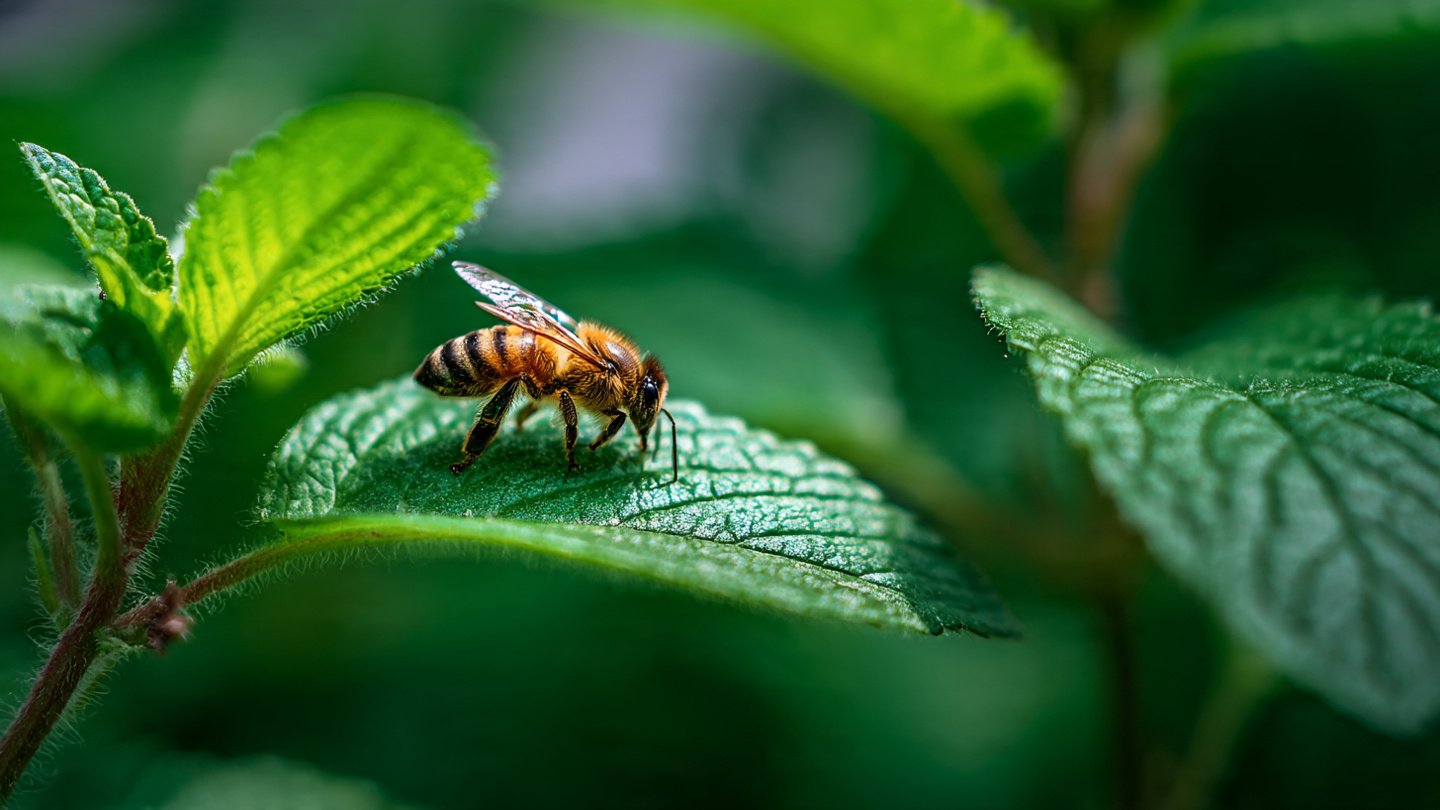
Gardening is a rewarding hobby, but few things are as frustrating as battling insect pests that damage your carefully tended vegetables, flowers, and herbs. While chemical pesticides are one option, many gardeners today are turning to more natural solutions to protect their plants. One of the most effective and sustainable methods is the use of a sacrifice plant.
Sacrifice plants, also known as trap crops, are strategically planted to attract pests away from your main crops, reducing damage and supporting healthy plant growth. In this article, we’ll explore what sacrifice plants are, why your garden needs them, and how to use them effectively to create a thriving, pest-resilient garden.
What Is a Sacrifice Plant?
A sacrifice plant is a plant grown specifically to attract pests, acting as a decoy for your primary crops. These plants are often more appealing to insects than your vegetables or flowers, drawing pests away and preventing damage to the plants you actually want to harvest or enjoy.
For example:
- Radishes can attract flea beetles away from cabbage and kale.
- Marigolds may lure aphids away from tomatoes.
- Nasturtiums attract whiteflies and cabbage loopers, sparing other vegetables.
By designating certain plants as “sacrificial,” you create a natural defense system that minimizes the need for chemical intervention.
Why Sacrifice Plants Are Essential for Every Garden
1. Protects Valuable Crops
Pests naturally seek out tender, nutrient-rich plants. If you have a sacrificial plant nearby, pests will focus on it instead of your more valuable vegetables and fruits. This is especially important in organic or edible gardens where chemical options are limited.
2. Reduces Chemical Use
Relying on trap crops helps prevent pest infestations naturally, reducing the need for pesticides. This keeps your garden healthier and safer for humans, pets, and beneficial insects.
3. Supports Biodiversity
Sacrifice plants can attract beneficial insects that prey on pests, such as ladybugs, lacewings, and parasitic wasps. This creates a balanced ecosystem that keeps your garden thriving without extensive human intervention.
4. Encourages Monitoring
Having trap crops allows gardeners to monitor pest populations before they reach your main crops. If pests gather heavily on the sacrificial plant, you can take targeted action, such as pruning or relocating the plant, rather than treating the entire garden.
Common Sacrifice Plants and the Pests They Attract
Different plants attract different types of pests. Choosing the right sacrifice plant depends on what pests are common in your garden and what crops you’re trying to protect.
| Sacrifice Plant | Target Pest | Protects Main Crop |
|---|---|---|
| Nasturtium | Aphids, whiteflies, flea beetles | Tomatoes, cabbage, peppers |
| Radish | Flea beetles, root maggots | Cabbage, kale, broccoli |
| Marigold | Aphids, nematodes | Tomatoes, squash, peppers |
| Sunflower | Aphids, beetles | Beans, cucumbers |
| Mustard greens | Cabbage worms, flea beetles | Broccoli, cauliflower |
By strategically planting these sacrificial crops, you create a first line of defense against the most common garden pests.
How to Use Sacrifice Plants Effectively
Using trap crops effectively requires planning and timing. Here’s a step-by-step guide:
1. Identify Vulnerable Crops
Start by identifying which plants in your garden are most susceptible to pests. Leafy greens like cabbage, kale, and lettuce are common targets for insects like flea beetles and cabbage worms. Tomatoes, cucumbers, and peppers are also vulnerable.
2. Choose the Right Sacrifice Plant
Pick a plant that pests prefer over your main crops. For example, aphids are highly attracted to nasturtiums, making them perfect as a decoy near tomato plants.
3. Plant Strategically
- Place the trap crop around the perimeter of your garden or in rows interspersed with your main crops.
- Ensure it is close enough to attract pests but does not compete too aggressively for sunlight and nutrients.
4. Monitor Pest Activity
- Check trap crops daily for pest buildup.
- If pests start damaging the sacrificial plant heavily, you can remove or treat it while your main crops remain protected.
5. Replenish as Needed
- Some trap crops are annuals or fast-growing plants.
- Replace them as necessary to maintain protection throughout the growing season.
Additional Benefits of Sacrifice Plants
Sacrifice plants aren’t just pest magnets—they also provide other garden benefits:
Enhances Soil Health
Some sacrificial plants, like mustard greens, help improve soil structure, add organic matter, and even suppress nematodes.
Attracts Beneficial Pollinators
Trap crops with flowers, like nasturtiums or sunflowers, attract bees, butterflies, and other pollinators, which increases the productivity of fruiting crops.
Adds Aesthetic Value
Sacrifice plants can be colorful and decorative, adding beauty to the garden while serving a practical purpose. A row of vibrant nasturtiums or sunflowers creates both visual appeal and protection for your crops.
Common Mistakes to Avoid
While sacrifice plants are effective, improper use can lead to issues:
- Planting too late: Trap crops must be established before pests arrive. Otherwise, pests may attack your main crops first.
- Overcrowding: Sacrifice plants should not outcompete your primary crops for sunlight, water, or nutrients.
- Ignoring pests on trap crops: If left unchecked, pests may eventually migrate to main crops. Monitor regularly.
- Planting too close to your main crops: Ensure some distance to reduce the chance of pests spreading directly from the trap crop.
Following best practices ensures your trap crops remain a helpful tool rather than a source of pest problems.
Organic Alternatives to Enhance Trap Crops
For gardeners aiming for an organic approach, several additional strategies complement the use of sacrifice plants:
- Companion planting: Pair trap crops with pest-repelling plants like basil, rosemary, or garlic to enhance protection.
- Beneficial insects: Introduce ladybugs, lacewings, or parasitic wasps to keep pest populations on the trap crop in check.
- Neem oil or insecticidal soap: If pest pressure becomes extreme, these organic sprays can target insects on the trap crop without harming the environment.
These strategies work synergistically with trap crops to create a resilient, chemical-free garden.
Sacrifice Plants in Different Garden Types
Small Home Gardens
Even in limited spaces, you can integrate trap crops by:
- Planting a few nasturtiums or radishes in containers near your main vegetables.
- Interplanting rows of radishes between leafy greens to intercept pests.
Large Vegetable Plots
In larger gardens, dedicate specific rows or blocks as trap crop zones. This creates a buffer zone between the pests and your main crops.
Raised Beds and Container Gardens
Trap crops work well in raised beds or containers by:
- Placing small pots of nasturtiums or mustard greens around your vegetable containers.
- Ensuring the trap crops are slightly elevated to draw pests away from main crops.
Final Thoughts
Sacrifice plants are an essential tool for sustainable gardening. By strategically planting trap crops, you can:
- Protect valuable vegetables from common pests
- Reduce chemical use and promote organic practices
- Support beneficial insects and biodiversity
- Monitor and manage pest populations proactively
The concept of using a plant to protect other plants may seem counterintuitive, but when executed correctly, it’s one of the most effective, natural, and eco-friendly strategies for pest control in any garden.
Next time you plan your garden layout, don’t just consider aesthetics or harvest yield—plan for pest protection with sacrifice plants. They may be the difference between a thriving garden and one plagued by insects.